Heaven forbid, I don’t want to begin this post with a humblebrag. You’re patient enough as it is reading a blog concerning our travels around the globe without slamming your laptop shut in envy, and for that we’re extremely grateful. But Iris and I are now the plucky survivors of earthquakes. Before you rush to send us aid parcels, we’re totally unharmed. Turns out Japan has bloody loads of quakes. But, like any story worth its salt, we must begin at the beginning. We’ll then proceed until we get to the end and then stop.
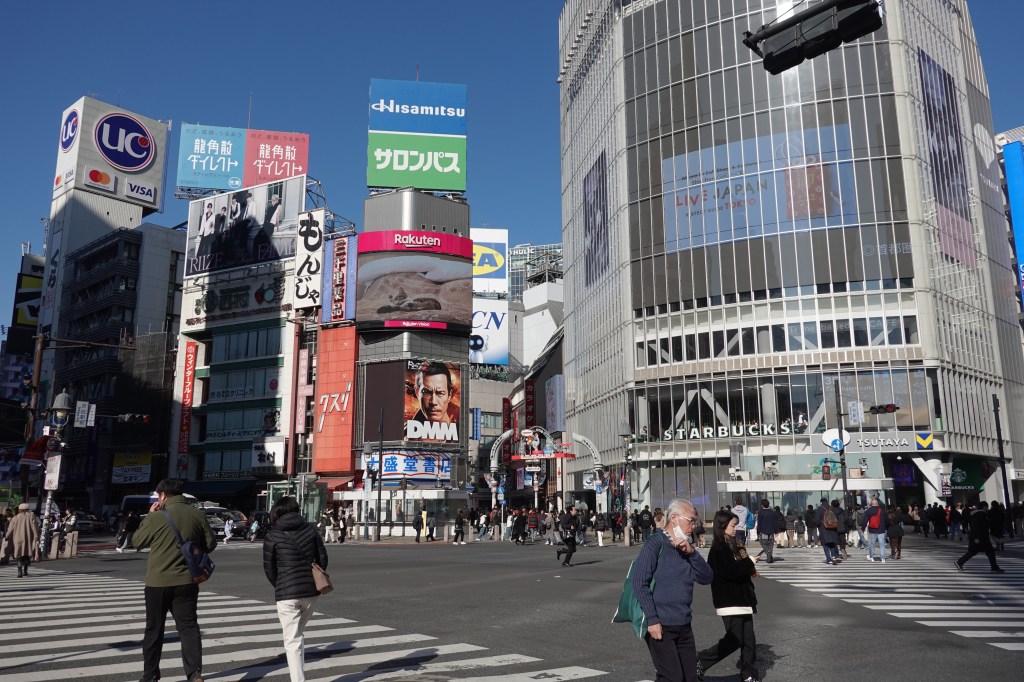
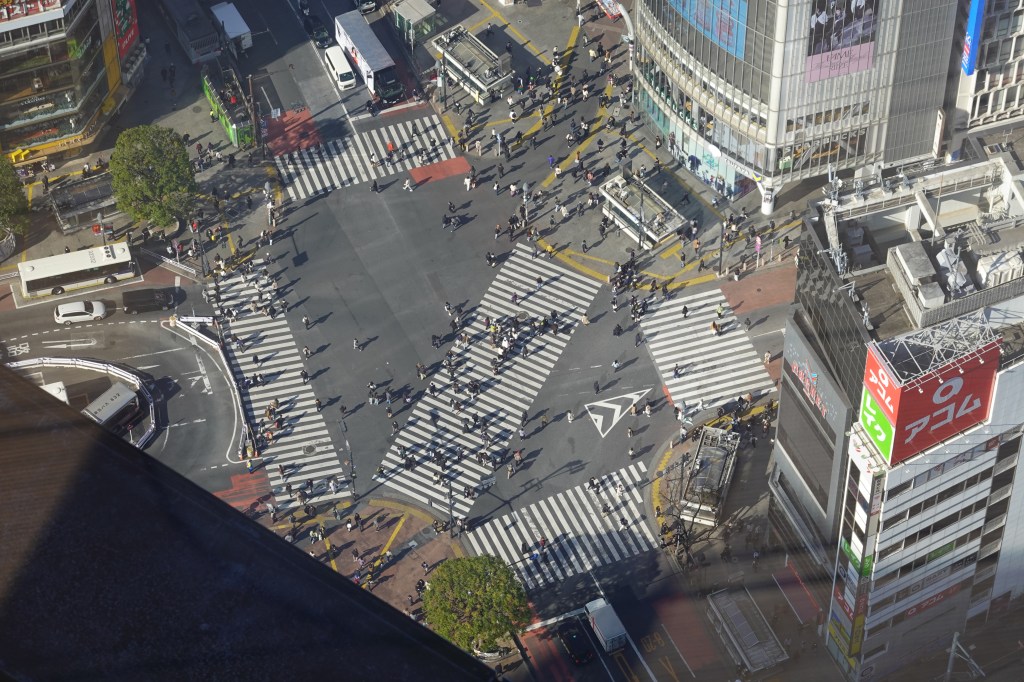
Iris, her parents, my parents, and I headed to the Shibuya Scramble, the famous crossing in Tokyo used in so many films and TV shows. To be honest, it was less of a ‘Shibuya Scramble’ and more of a ‘Shibuya slightly longer than average traffic-light controlled pedestrian crossing’.1 Being there in the middle of the day, maybe everyone was too busy at work, but it was nowhere near as busy as we’d expected.
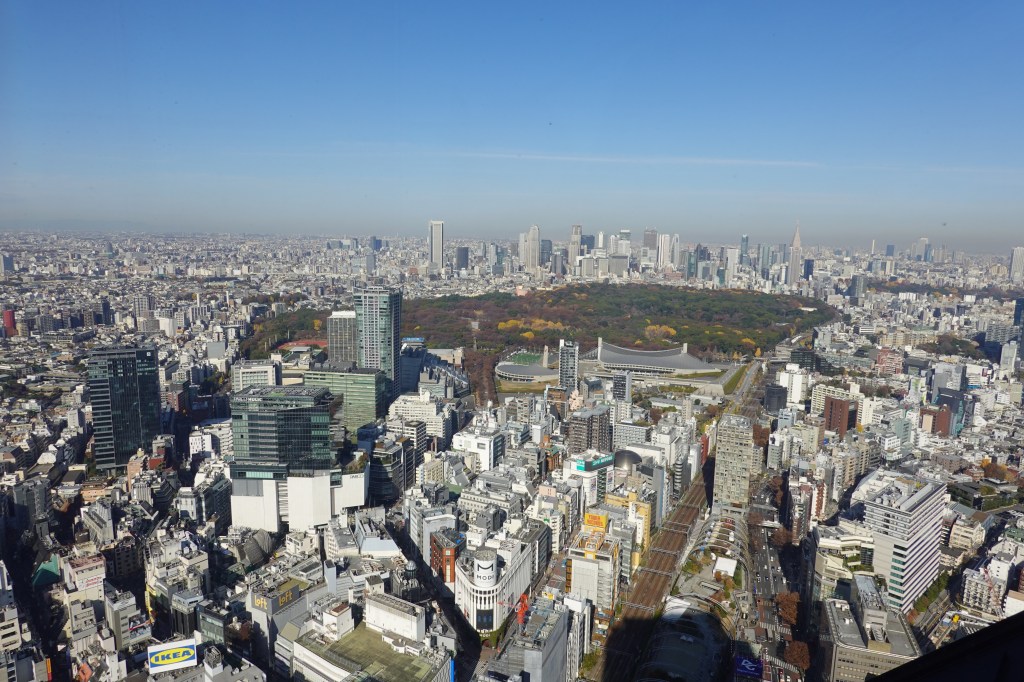
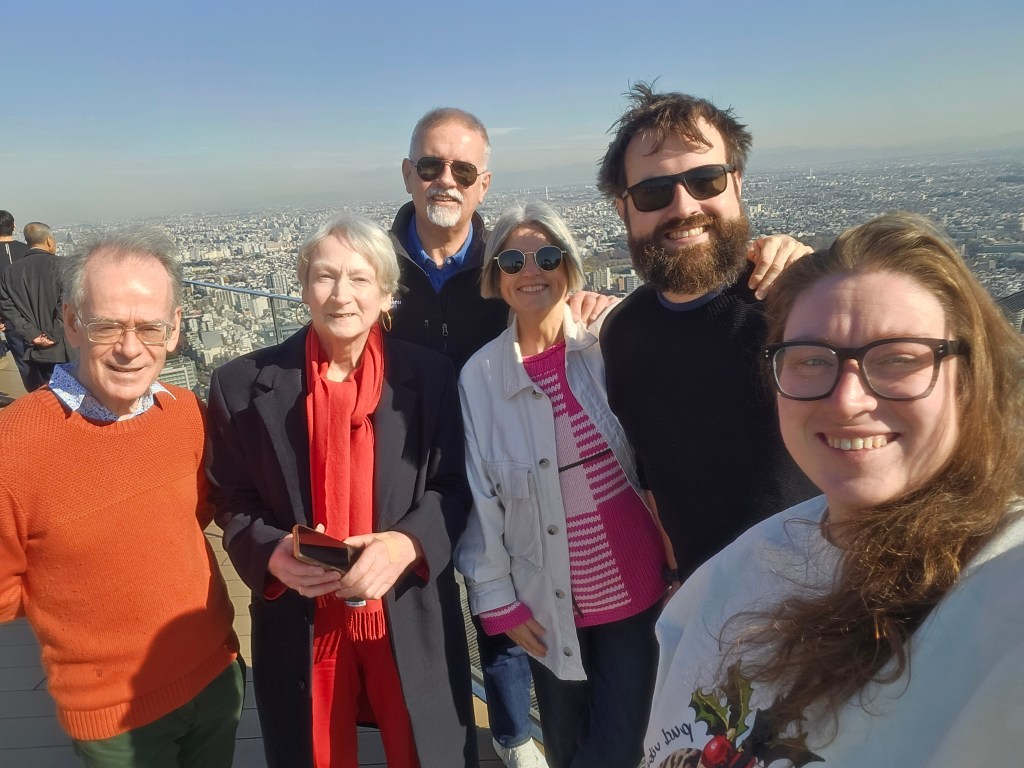
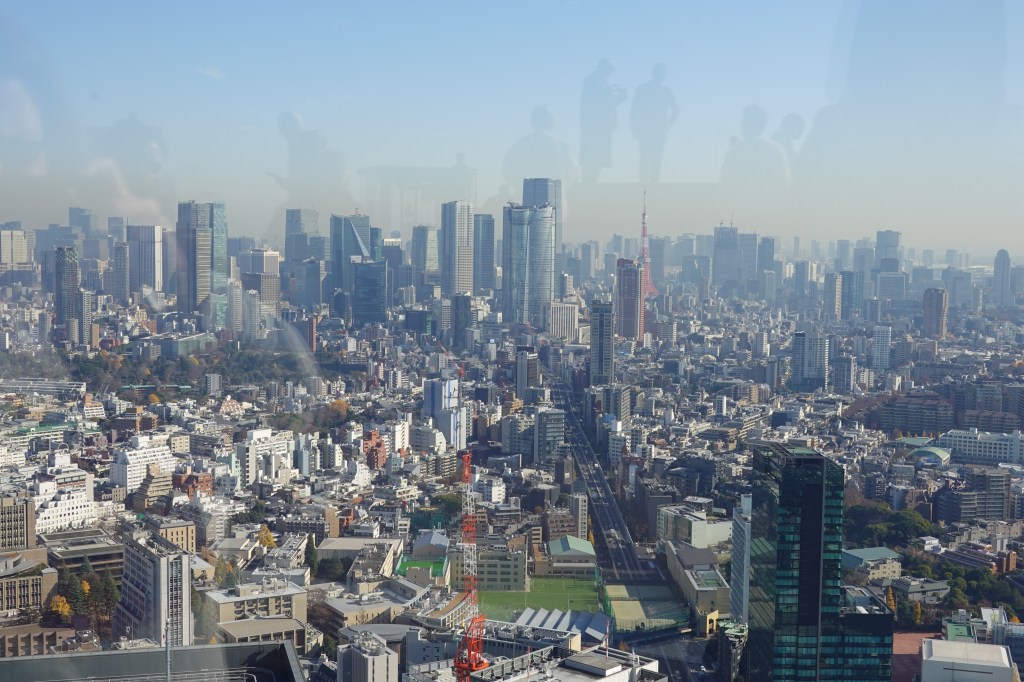
The trip wasn’t wasted, however, as we headed to Shibuya Sky, a 229-metre tall, open-air observation deck overlooking the crossing and the surrounding area. Clear skies and glorious sunshine meant we had pristine views over what seemed to be the entire city stretching for as far as the eye could see. It’s well worth a visit if you’re in the area. We even saw Fuji (again).
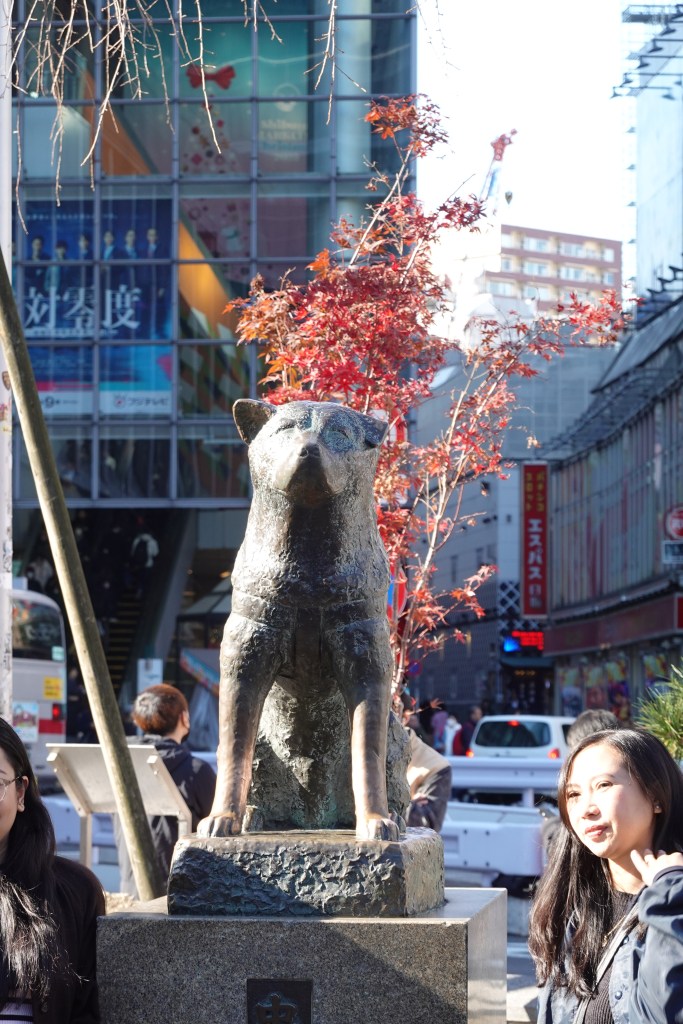
Our afternoon consisted of a trip to Akihabara, Tokyo’s legendary ‘nerd district’. Figurine shops and retro arcades fill the streets while high-pitched anime girl voices shout at you over speakers. It’s certainly an experience.
Our first stop was at a six-storey arcade where we played many a shooting game like House of the Dead, a type-to-shoot spin-off2, a drumming game where I conclusively proved I still have the chops, and Iris strutted her stuff on a dance mat. She would’ve been the coolest kid in school if not for the lone guy next to her casually grooving away on the most incomprehensible dance mat ever designed. Ah well, can’t win them all.
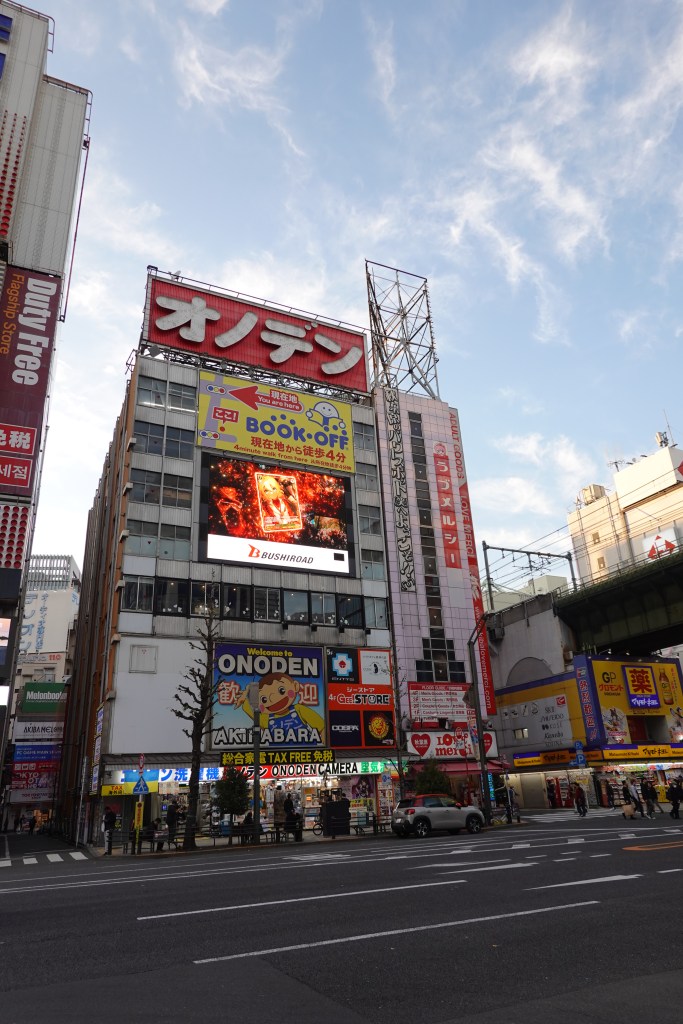
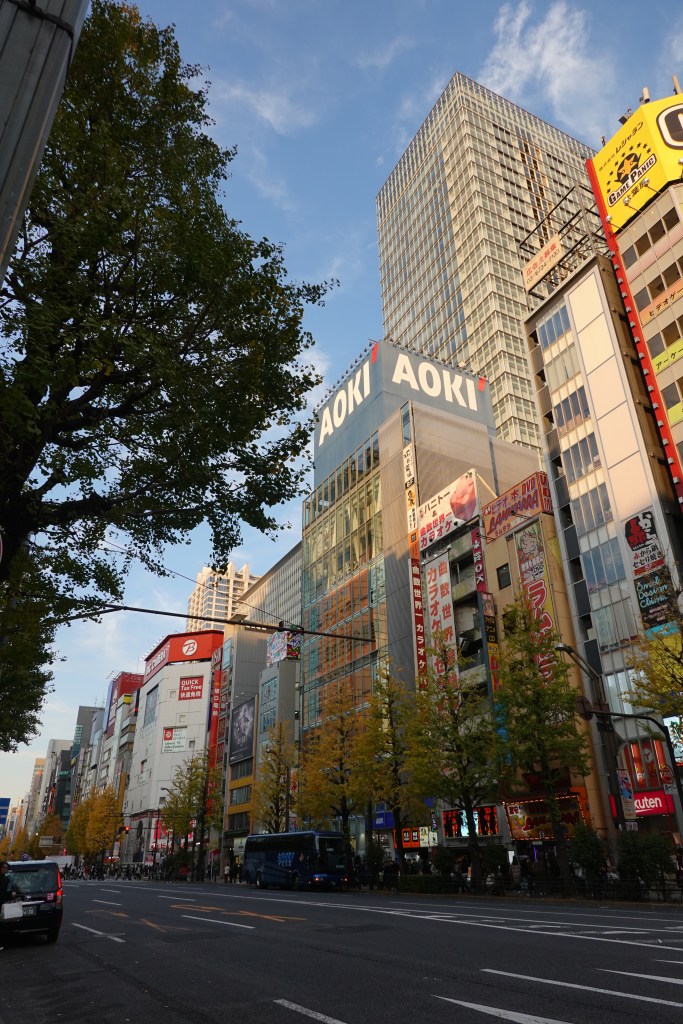
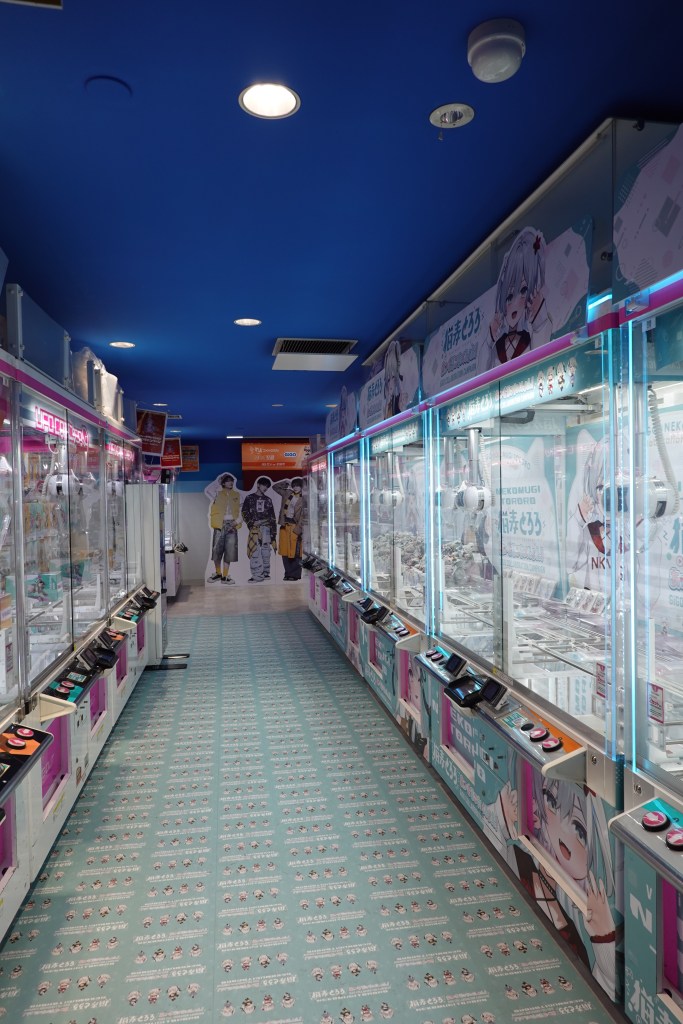
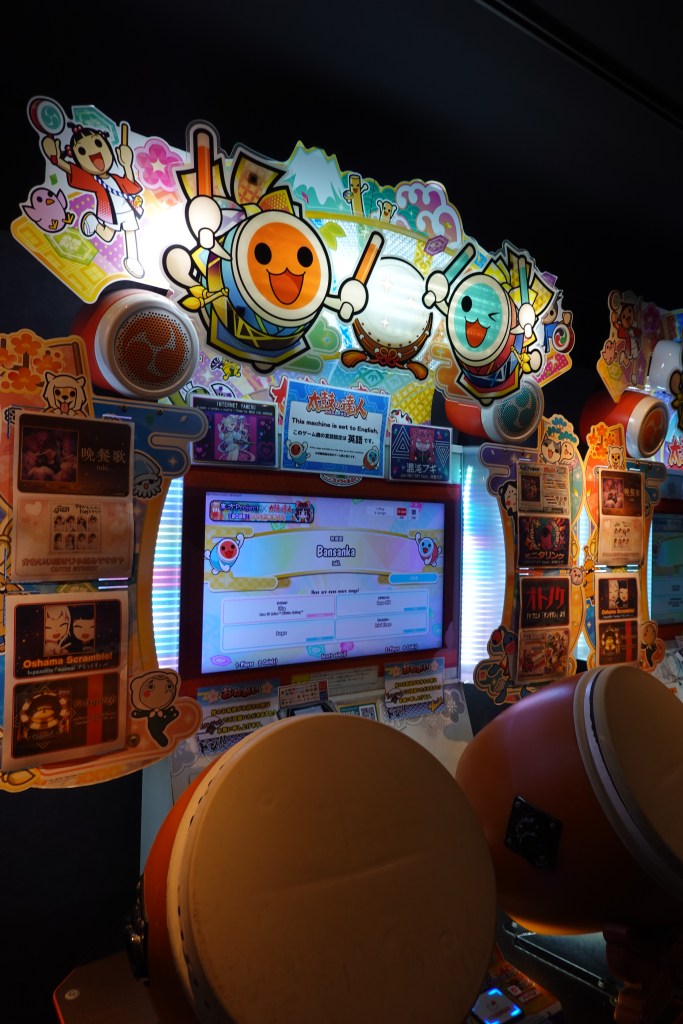
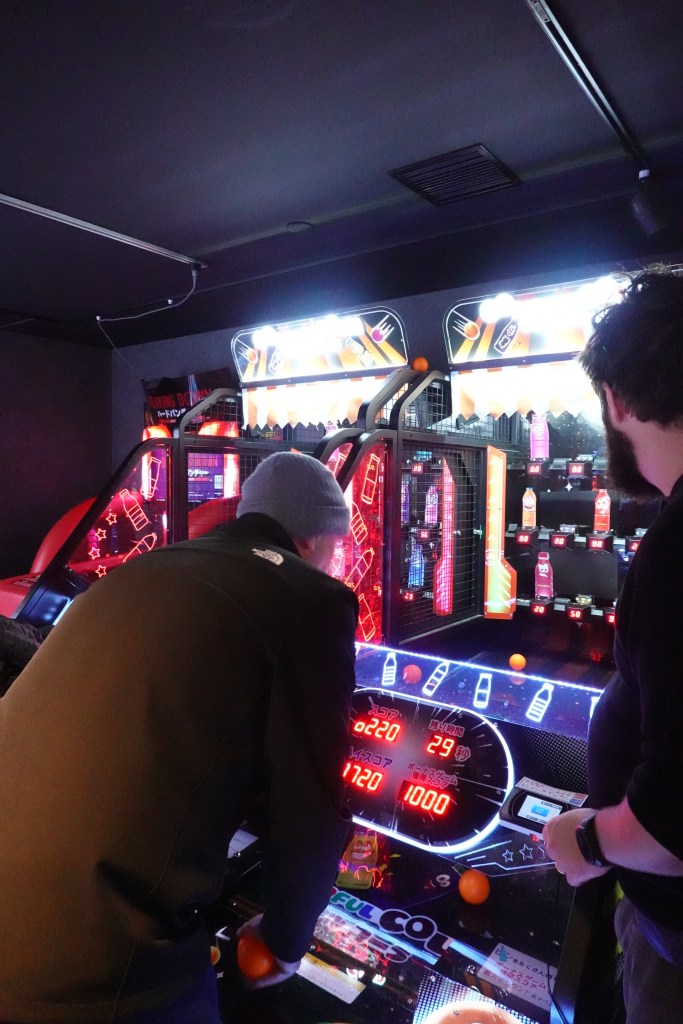
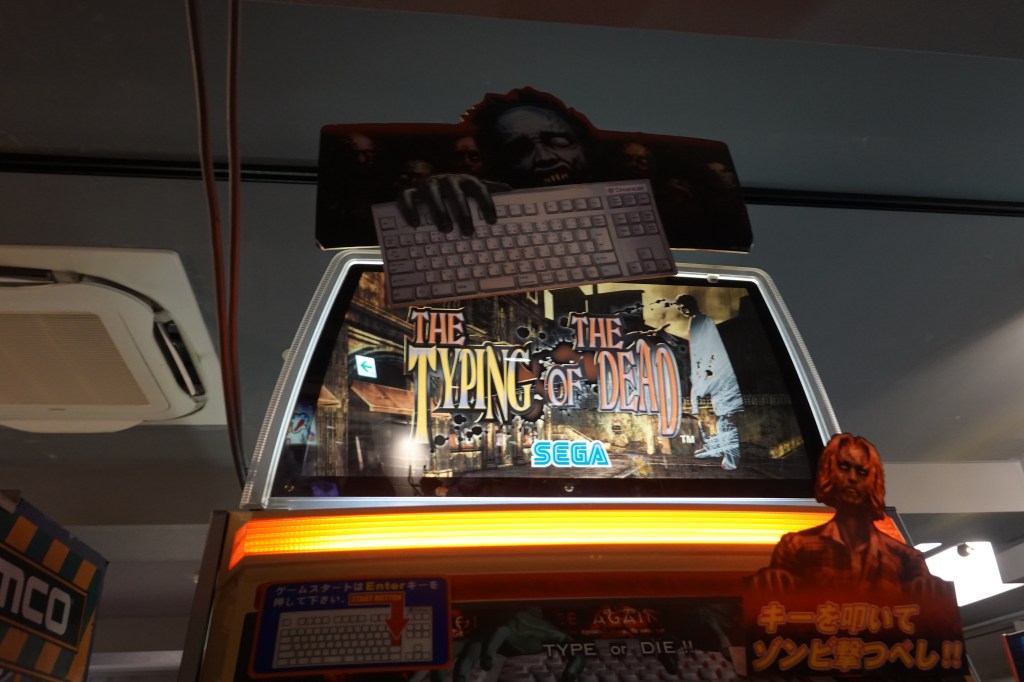
While we had fun in the arcade, the nerd district has a seedy underside. Suspiciously young-looking girls stand out in the streets, attempting to entice you into maid cafes. If you know what these are, then you’ll know how weirded out it was to walk past and see them. If you don’t, well, you have Google to help you with that, should you be so inclined. Just don’t blame us for the damage searching for them will do to your social media algorithms.
After dinner and a couple of drinks we decided to hit the hay. That was when the earthquake struck.
Picture the scene – on the ninth floor of our hotel, the lights turned off, and us tucked comfortably in the safety of our bed drifting off to sleep. The room starts creaking and we feel the bed moving underneath us. No, we’re not imagining it, the room is moving! It turns out that a earthquake reaching 6.7 on the Richter Scale occurred a few hundred miles away off Japan’s east coast, but we still felt the equivalent of a Richter-3 earthquake all the way in Tokyo. It’s the biggest Earth tremor that Iris and I have ever felt.
This might need a bit of work before I submit my script for my disaster film, Little Tremor in Big Tokyo, so stay tuned.
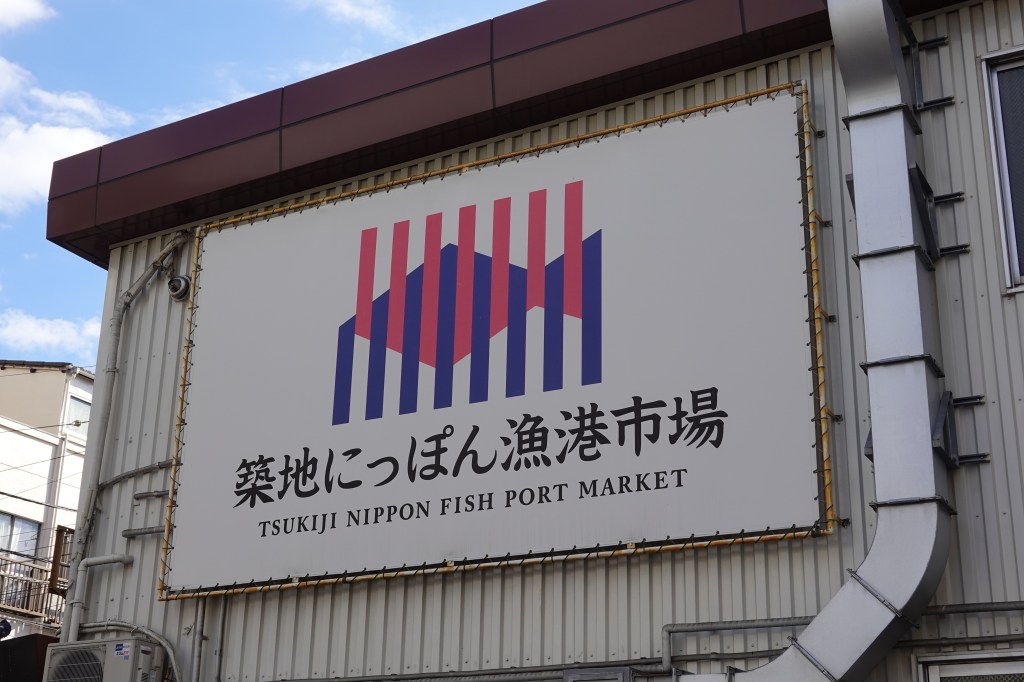
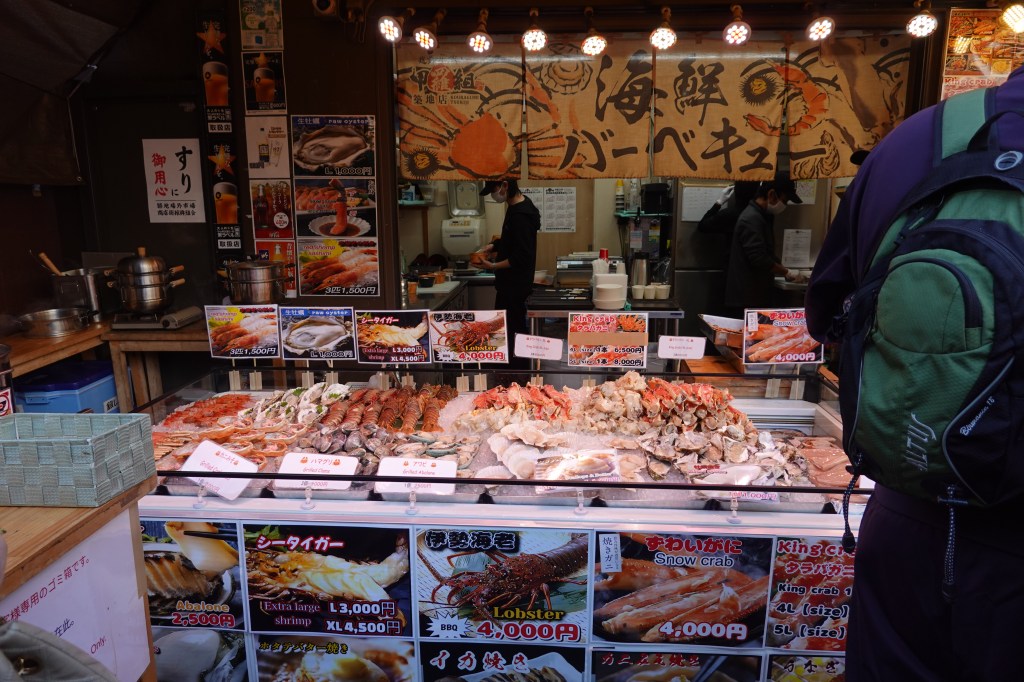
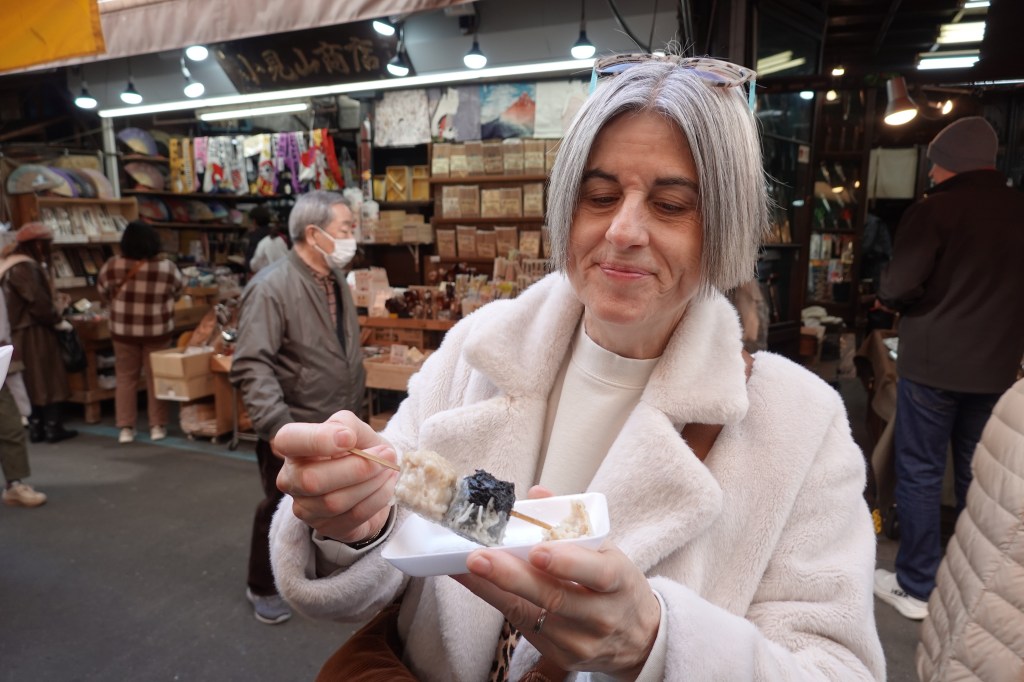
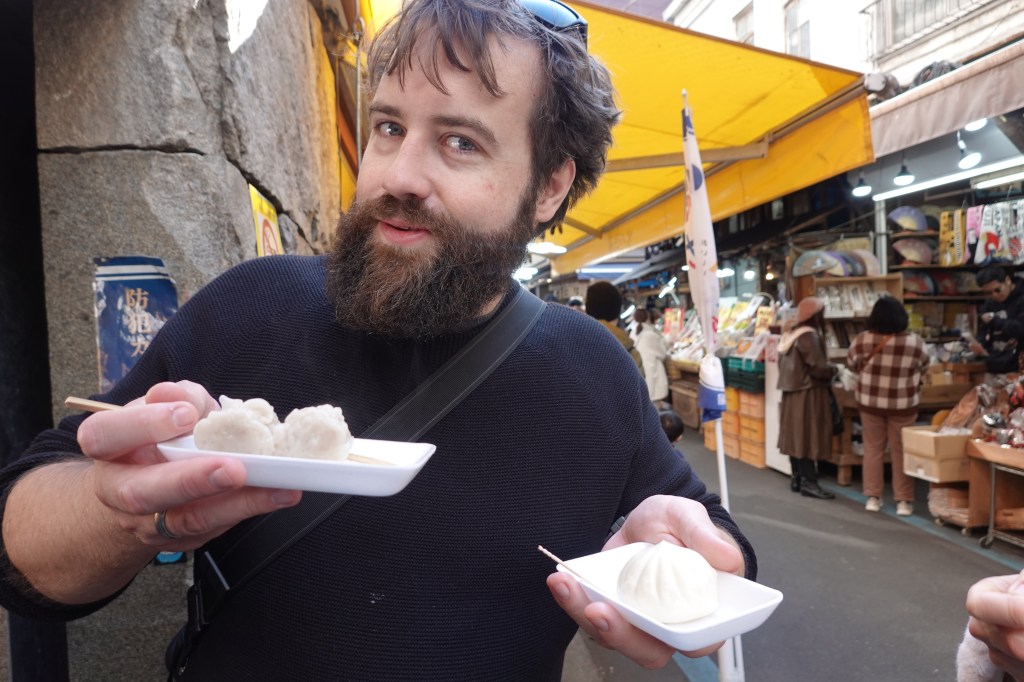
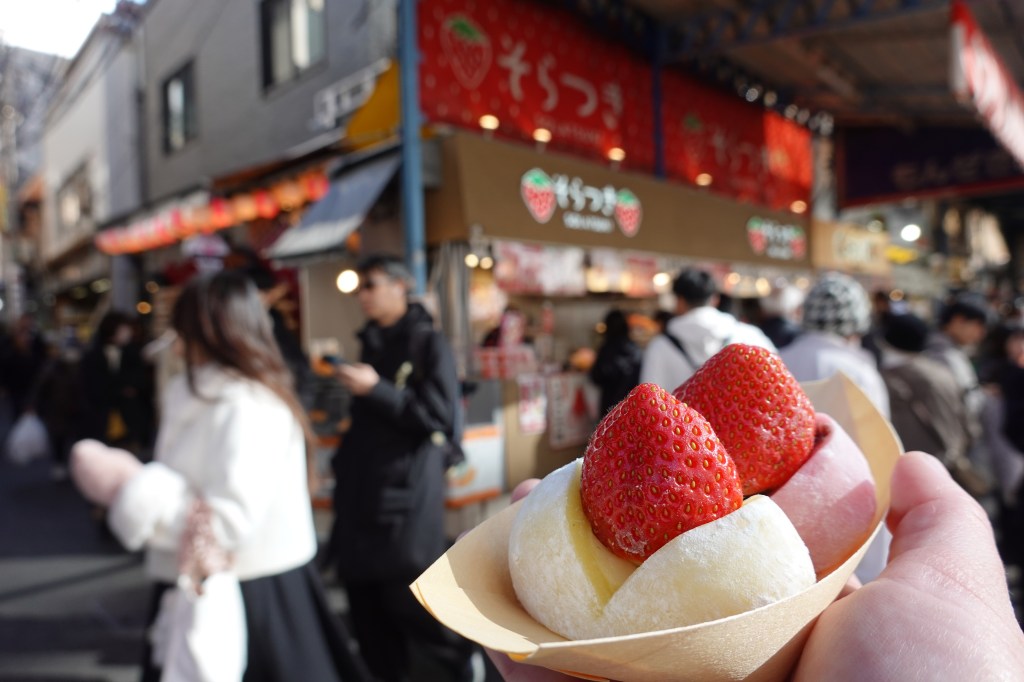
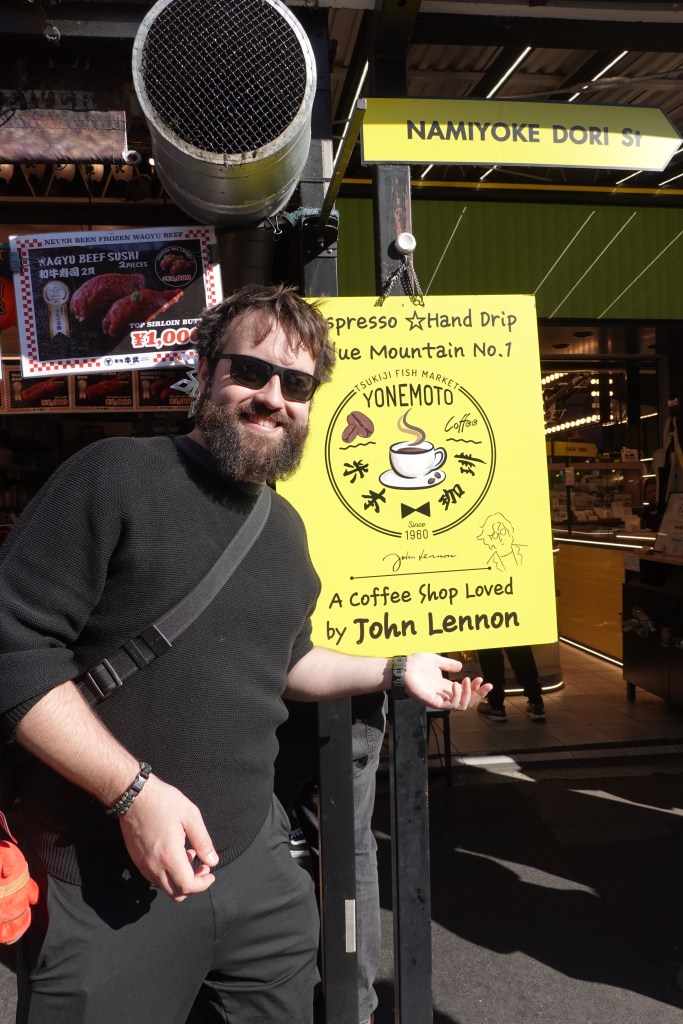
Having recovered from this traumatising ordeal, we sought to start the healing process with a breakfast at Tsukiji Outer Market, a sprawling outdoor market in the shadow of the city’s former fish market. Dumplings and mochi are surprisingly therapeutic, and delicious to boot! We passed a coffee shop which John Lennon apparently loved (I’m sure he did), before Iris and I went with her parents to watch a traditional Kabuki theatre performance.
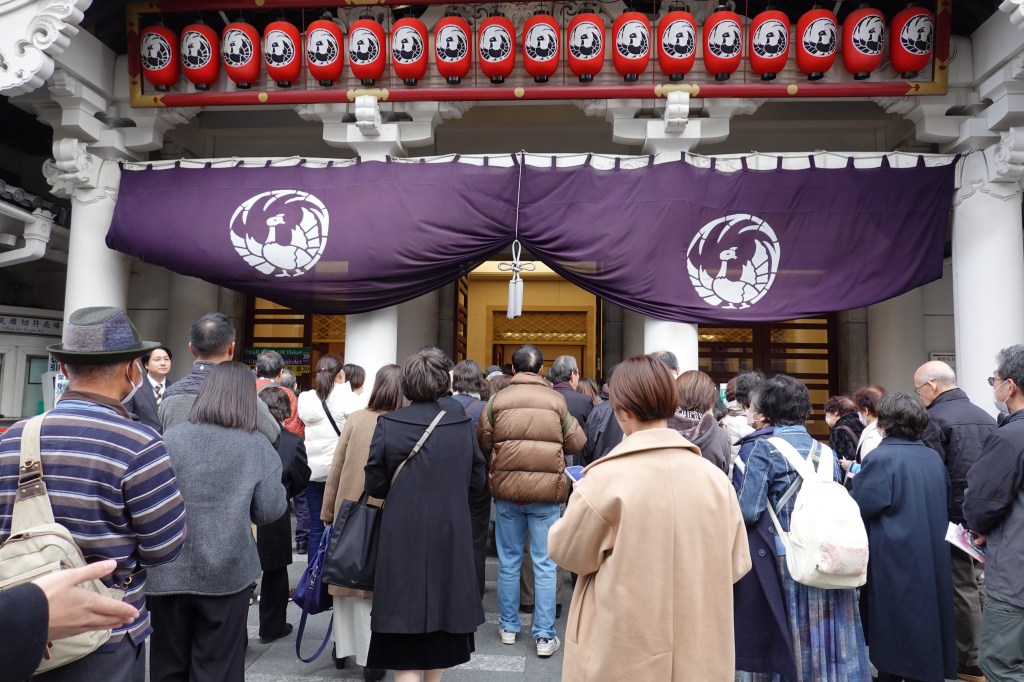
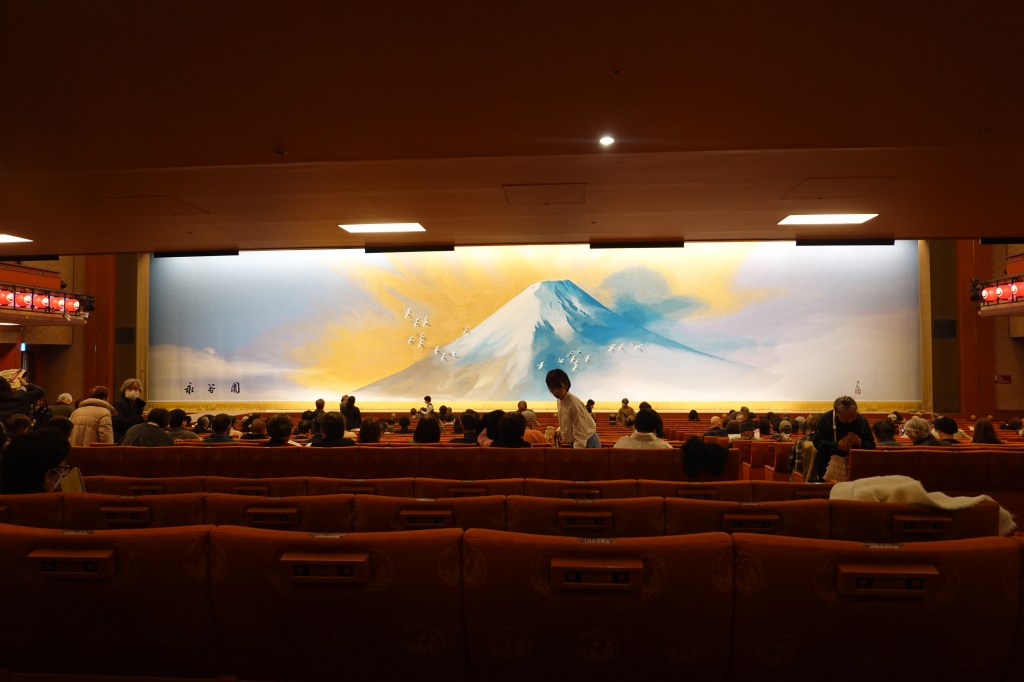
We had no idea what to expect but were thankfully provided with tablets that would inform us of what happening onstage and translate the dialogue. The first half was a play first staged in the 1870s about a ronin, a masterless samurai, attempting to overthrow the shogun.
His father-in-law snitches on him, leading to our hero fighting a small army of soldiers. For a nineteenth-century play, the action was surprisingly dramatic and athletic. Soldiers jumped and flipped across the stage while out hero demonstrated some quality fight choreography. A big thumbs up from us!
The second half was, well, interesting. It was more of of a morality play than a bombastic, martial art experience. It opens with the drink-loving protagonist finding a wallet full of money on a beach early in the morning. Whose wallet? Who cares? The playwright certainly didn’t.
He hands the money to his wife before inviting all his friends round for a celebratory piss-up (did I say this was set at 6am?). After a bit of drunken banter in he and his mates all insult each others’ wives3, they get in a fight before our protagonist passes out and his wife hides the money. When he comes to, his wife gaslights him by saying he clearly dreamt having the money. Got to love a psychological thriller.
Our protagonist goes sober, becomes a successful fish merchant, and overall leads a happy life. Three years later, his wife confesses to him that she hid the money and gets him drunk on sake. Moral of the story? This is all fine! Bet you didn’t see that ending coming. I don’t think this particular play will threaten the pantomime scene any time soon.
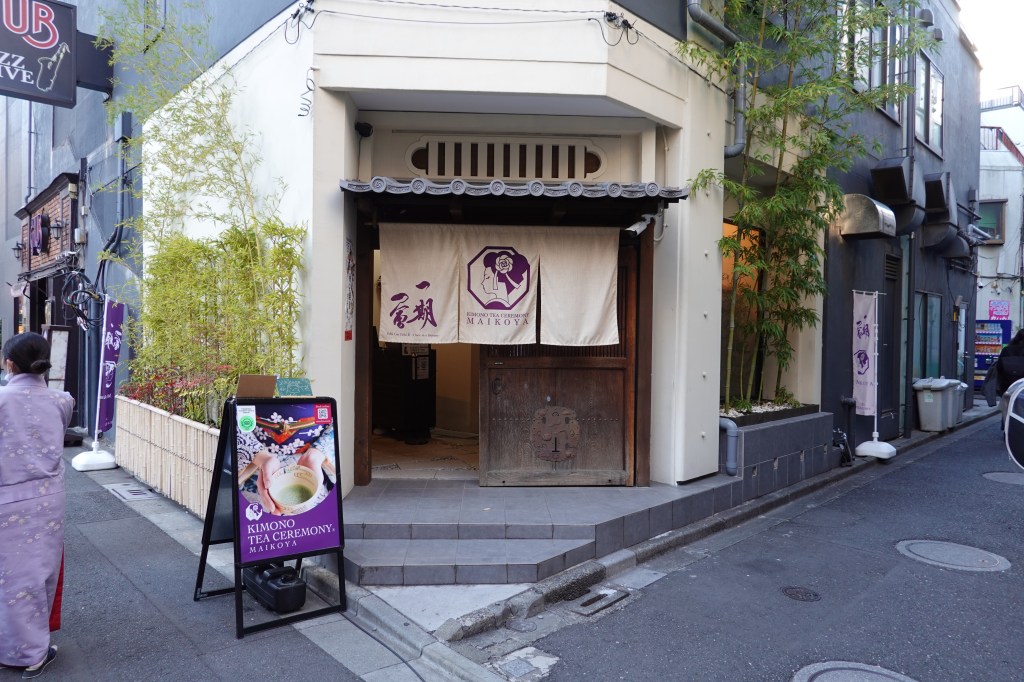
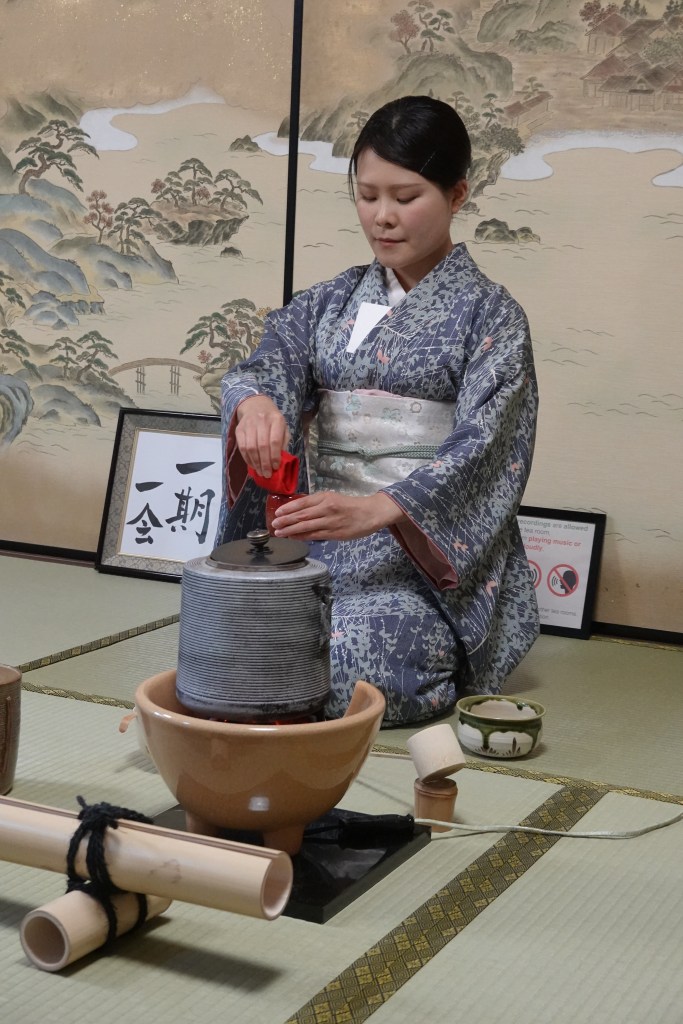
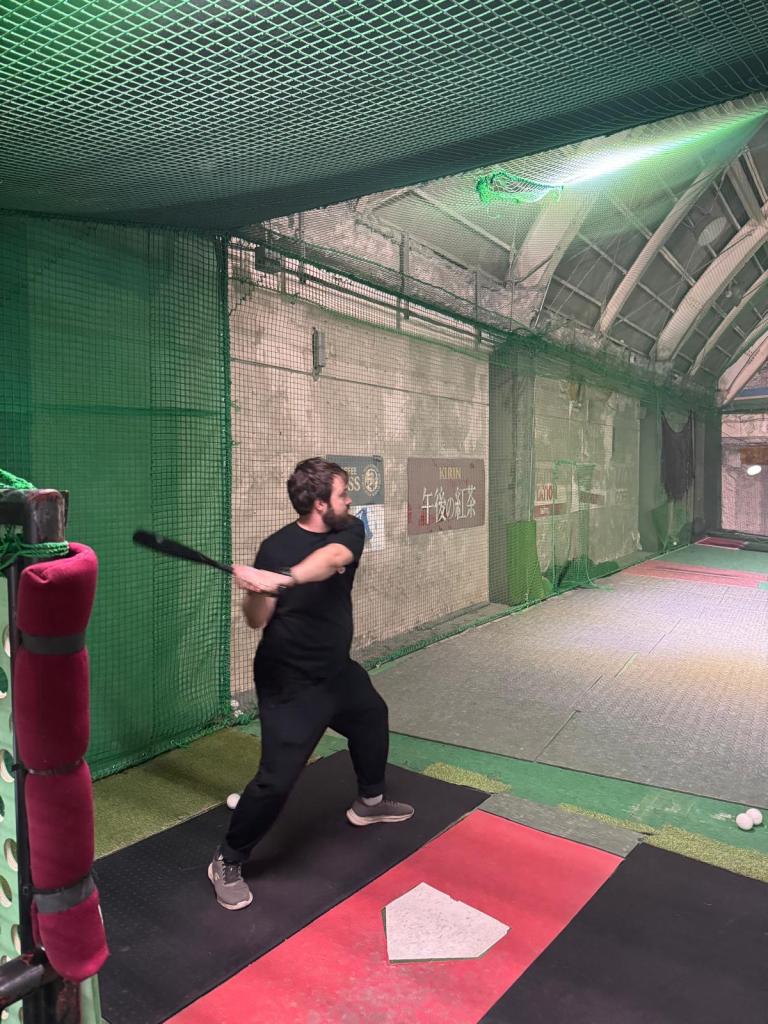
The following day, Iris and her parents, along with my Mum, went to a traditional Japanese tea ceremony, complete with kimonos to wear. My Dad and I, being uncultured swine, instead attempted badly to hit some baseballs in a local batting cage before hitting up a pub for some beers. We’re like the New York Mets in the 80s, minus the playing ability.
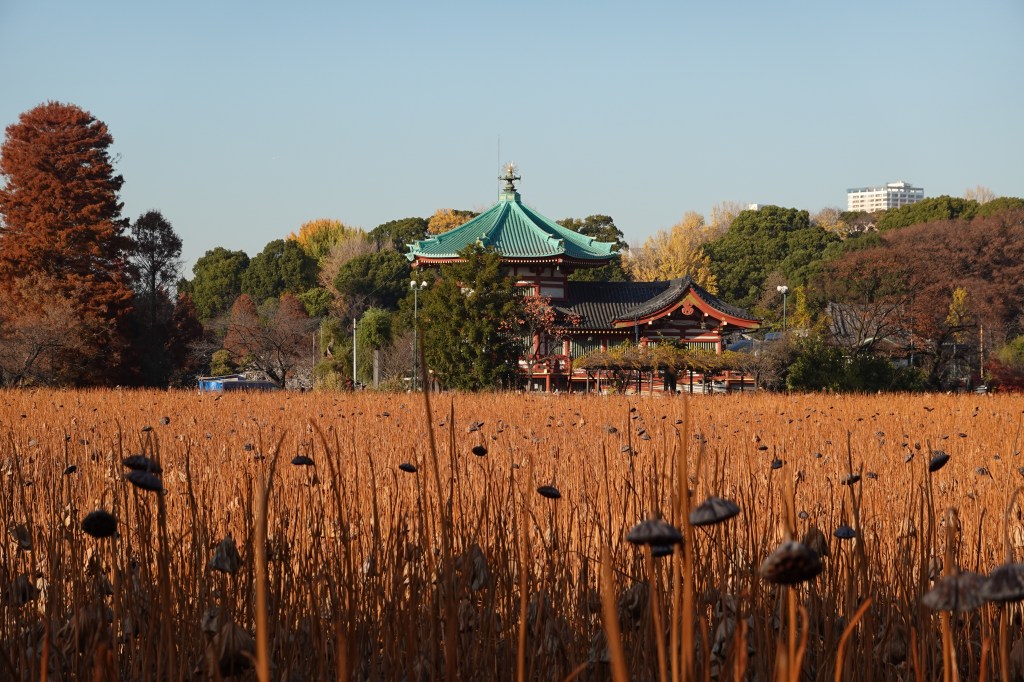
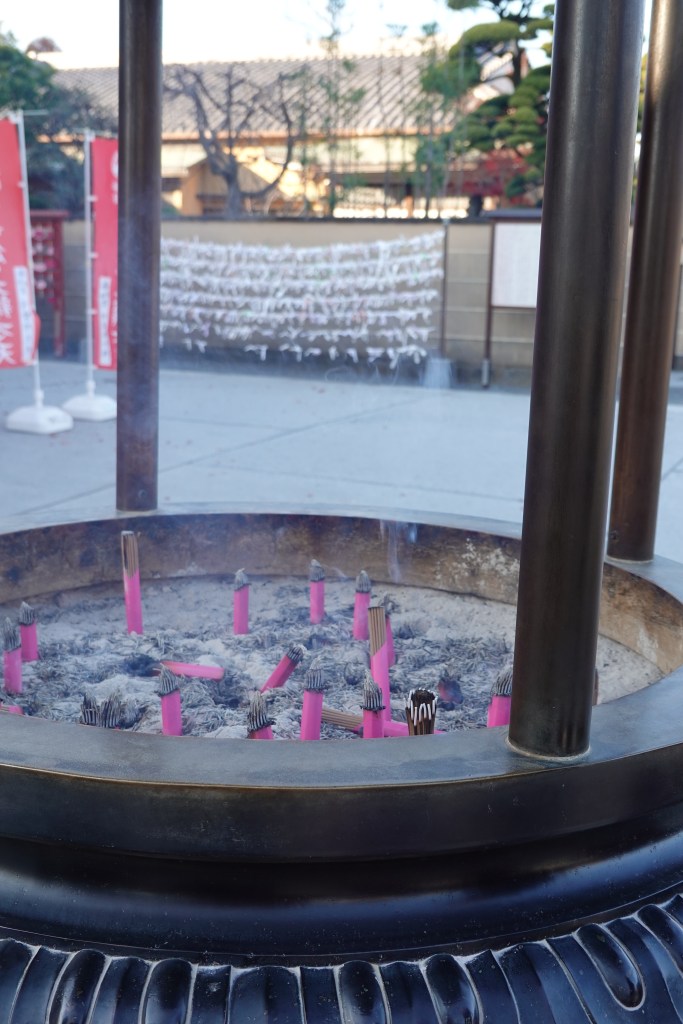
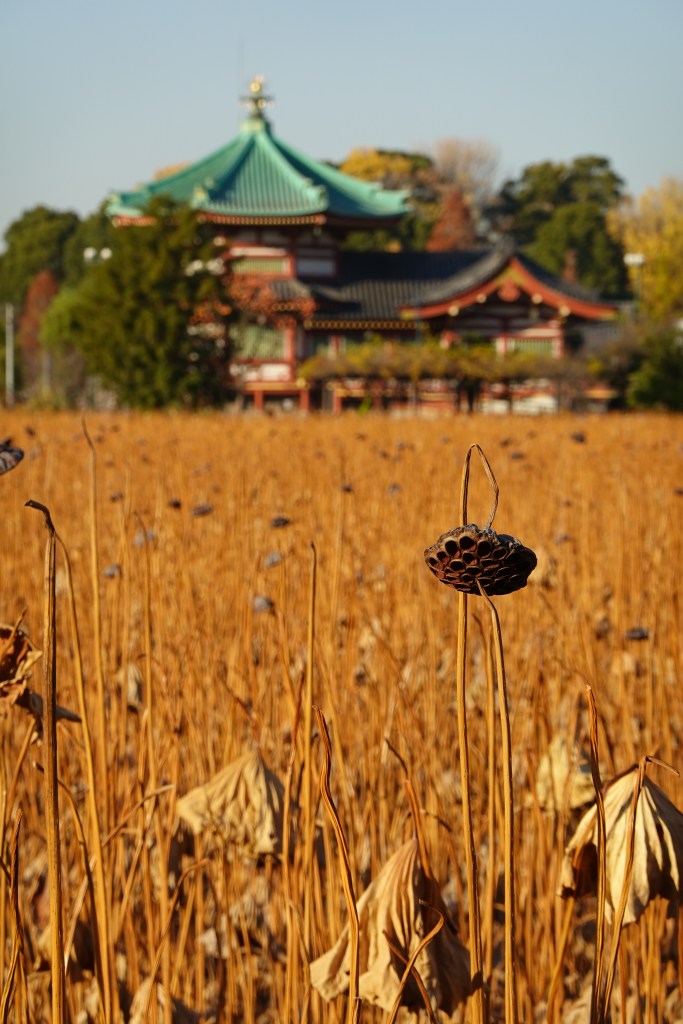
Yesterday we took in Ueno Park, a gorgeous public park with an enormous koi-filled lotus pond. How much more Japanese can you get?! Actually, if I mention it had a quaint Buddhist temple in the middle of it, that would probably do it, wouldn’t it?

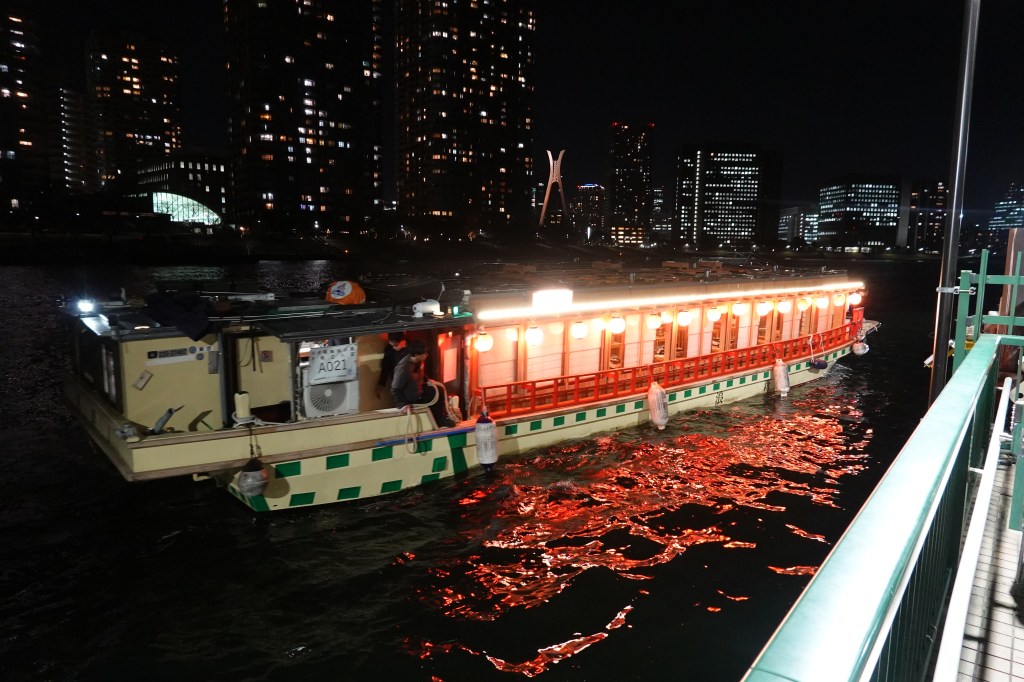
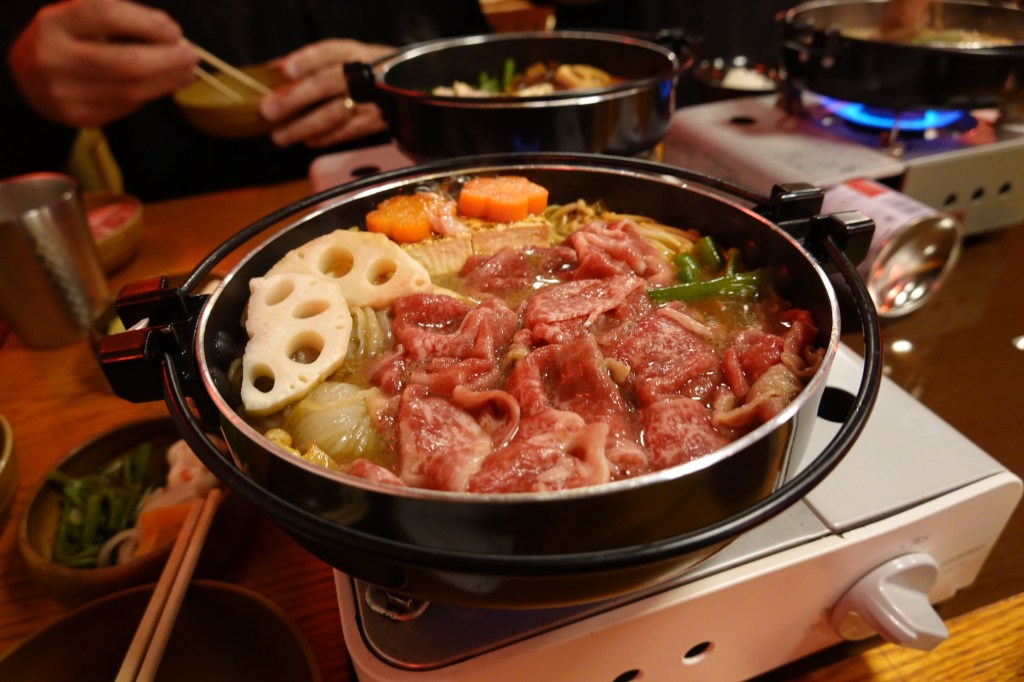
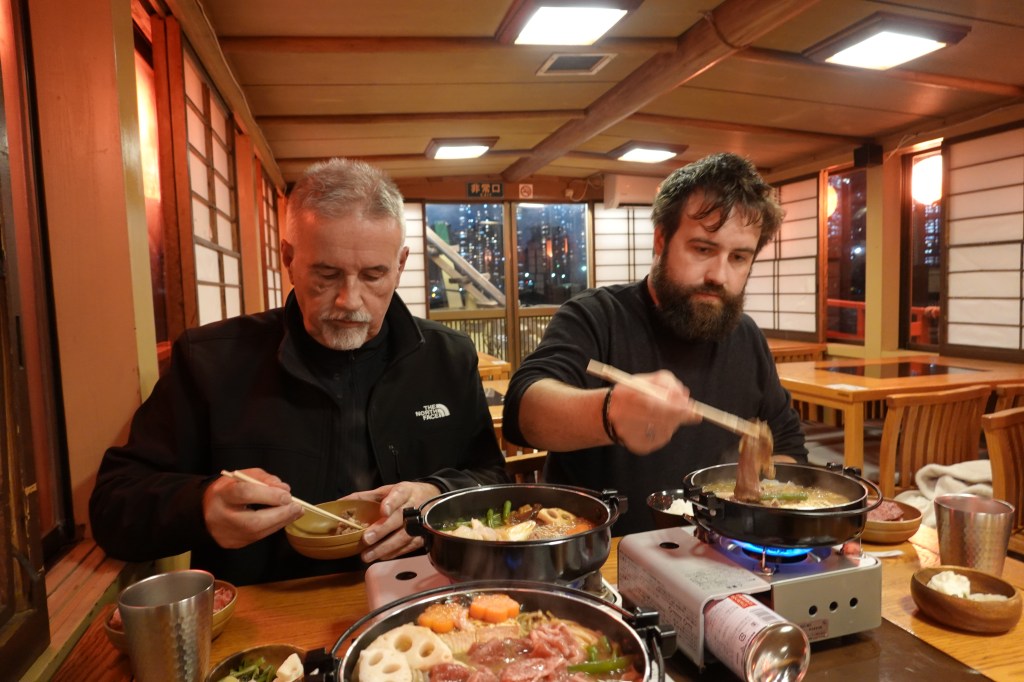
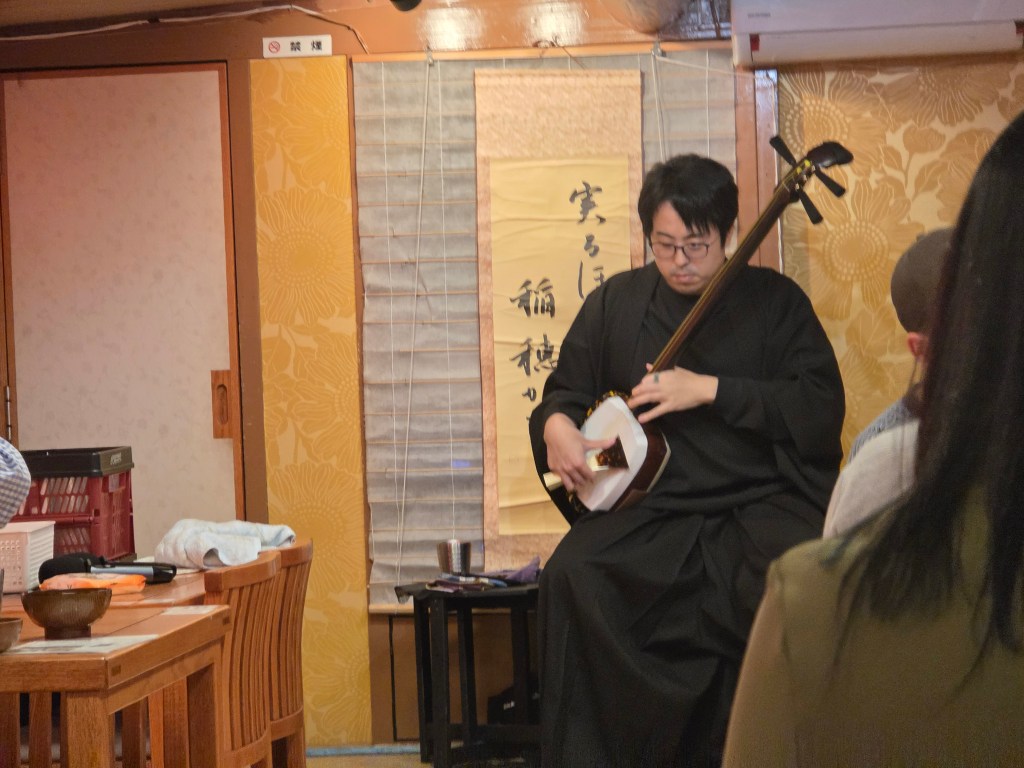
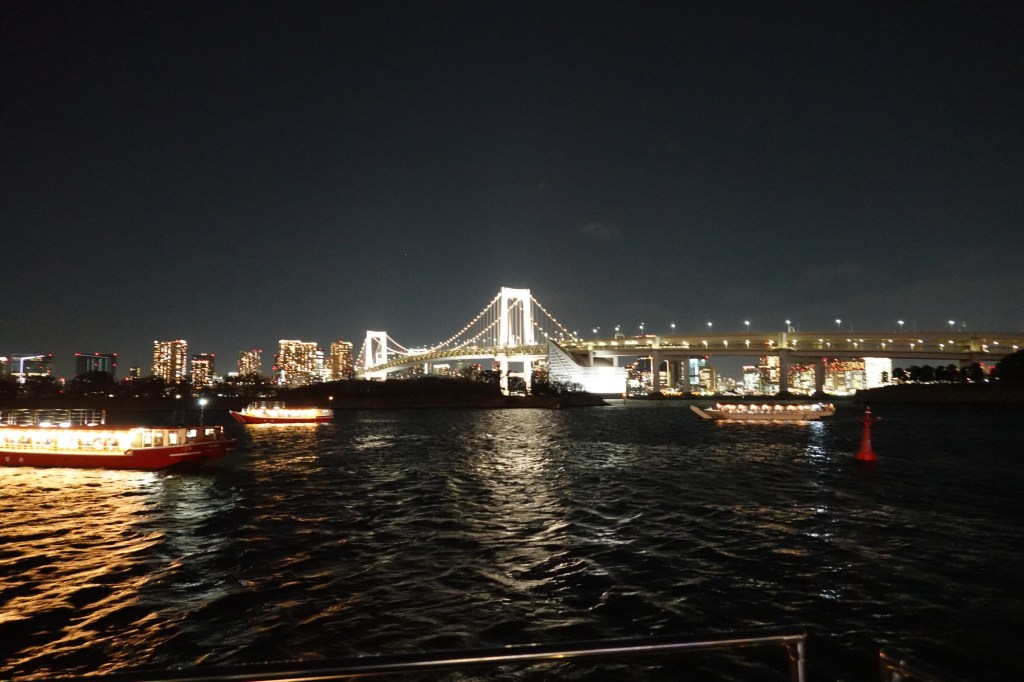
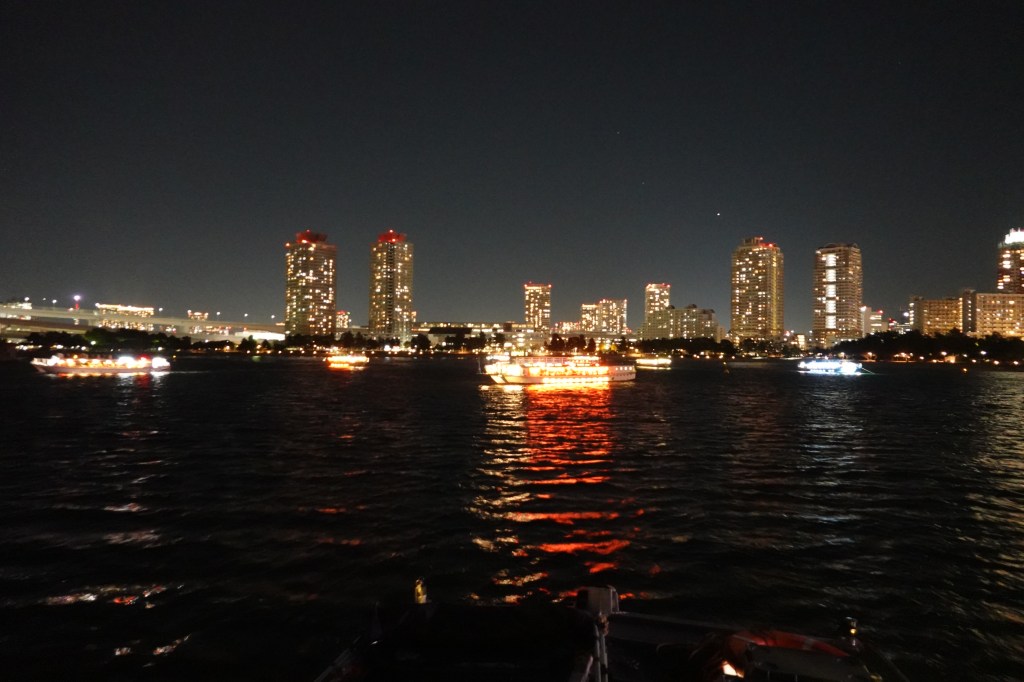
In the evening we had dinner in a boat which took us along the river, allowing us a sight of the city we’d never had previously. We enjoyed a beef hotpot while a musician who’d performed in the 2020 Olympic opening ceremony treated us to traditional Japanese folk songs on a Shamisen, a folk instrument with three strings. Our hosts were great and got us joining in with some of the songs. With memorable choruses such as ‘Hooooooy, hoy!’ what’s not to love?
This post ran longer than expected, so thanks for bearing with if you’ve made it this far. When you survive a natural disaster it helps to get things off your chest, you know? For now, we’re going to have a chilled few days before departing to Australia. See you Down Under!
Matt
- Still waiting to hear back about my application to the Tokyo Tourism board. I’m sure they’ll contact me any day now. ↩︎
- I’m not kidding. ↩︎
- This was a big hit. I’d be surprised if the elderly lady sitting next to me didn’t literally wet herself the way she was laughing. ↩︎

 Two for the Road
Leave a reply to Hel Cancel reply