Yes, Matt came up with the title of this one!
Costa Rica means “rich coast” in Spanish, named out of hope by conquistadors of the 15th century who colonised the country. While a beautiful haven for a wealth of biodiversity, the European explorers found the country rather lacking in the gold and jewels the Spanish king wanted. As a result, for many years Costa Rica was the most sparsely populated than the rest of Latin America. Following industrialisation, the major export of the country became wood, and the country suffered mass deforestation. In the 1970s it began an ambitious re-forestation programme. This has become one of the most successful examples of re-wilding on the planet and Costa Rica has been a major eco-tourism destination for the last few decades thanks to its commitment to protecting its flora and fauna. In our first five days in the country, we’ve found it has lived up to its reputation as a paradise. We’ve never seen so many exotic animals in the wild and in our less intrepid moments, we’ve learnt about and indulged in some delicious native food and drink.
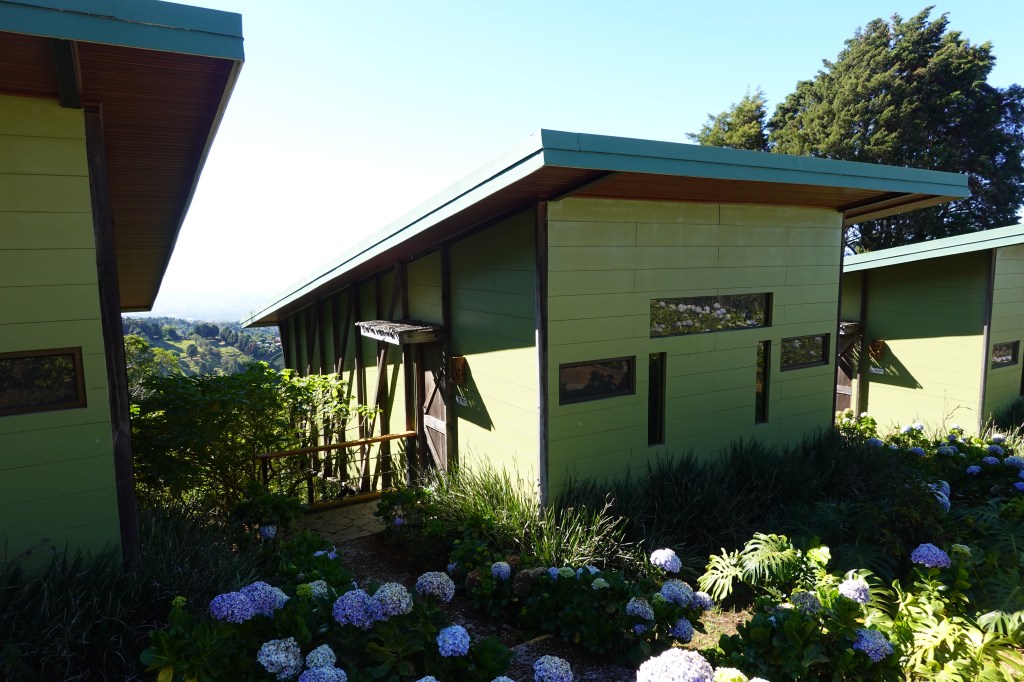
Our first stop was two nights in Naranjo, an area famous for coffee growing. We stayed at Chayote Lodge, in lodgings inspired by coffee storage silos, at a lofty altitude of 1700 metres above sea level.
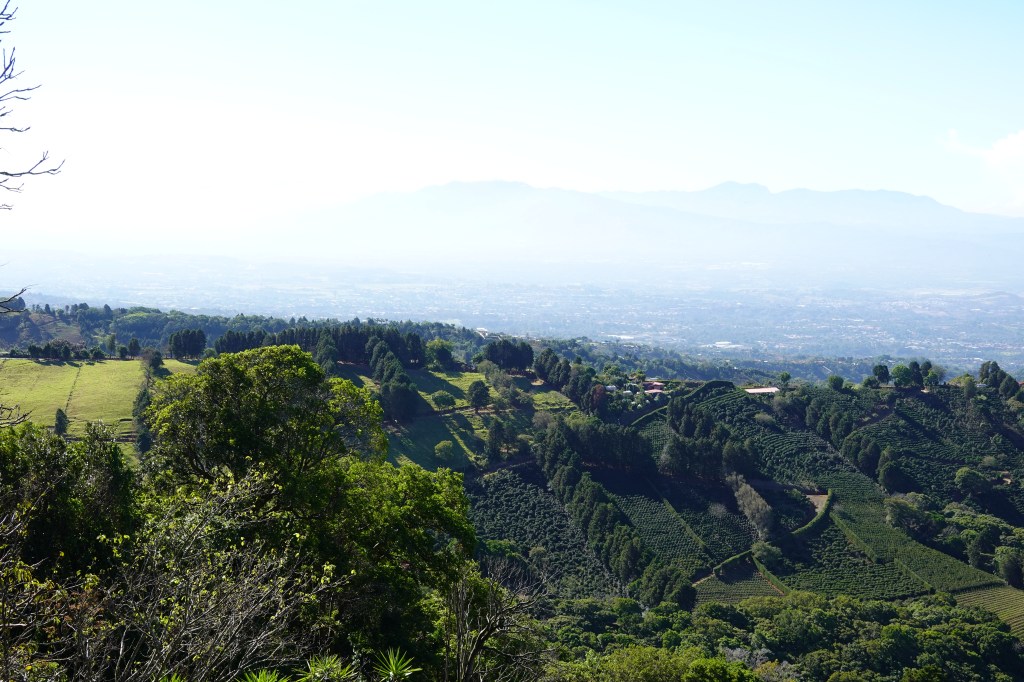
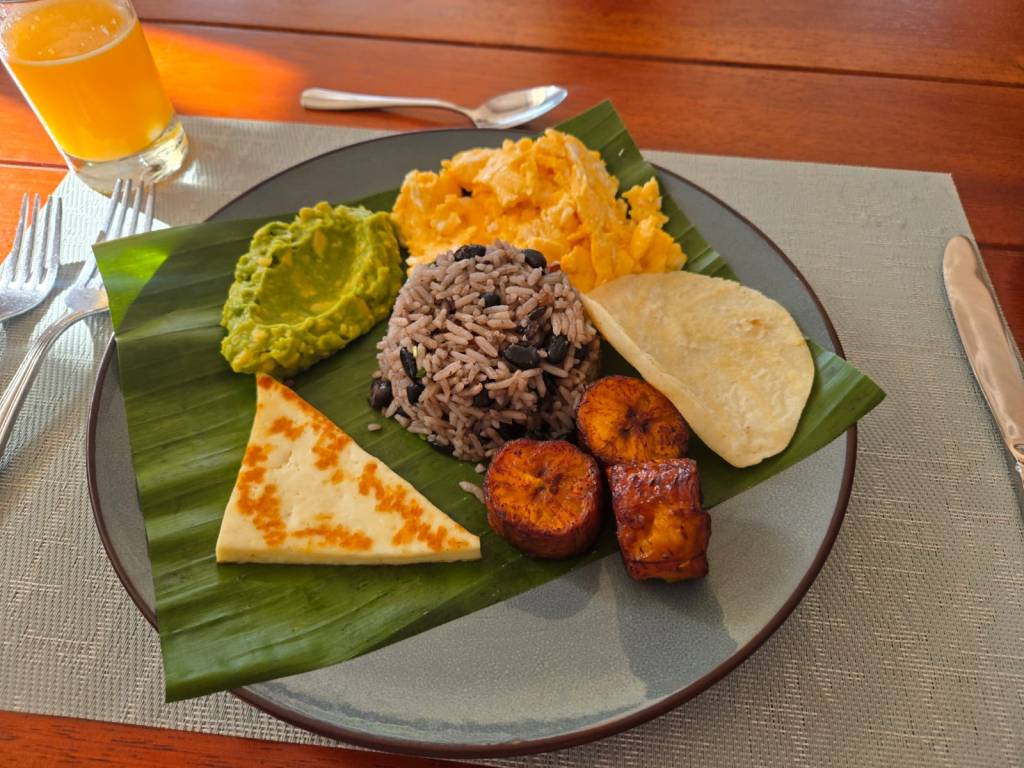
After a late arrival, our first morning revealed panoramic views of the central valley area. First things first, we indulged in a delicious Costa Rican breakfast consisting of rice, beans, eggs, a cheese a little like halloumi, fried plantain, avocado and a corn tortilla.
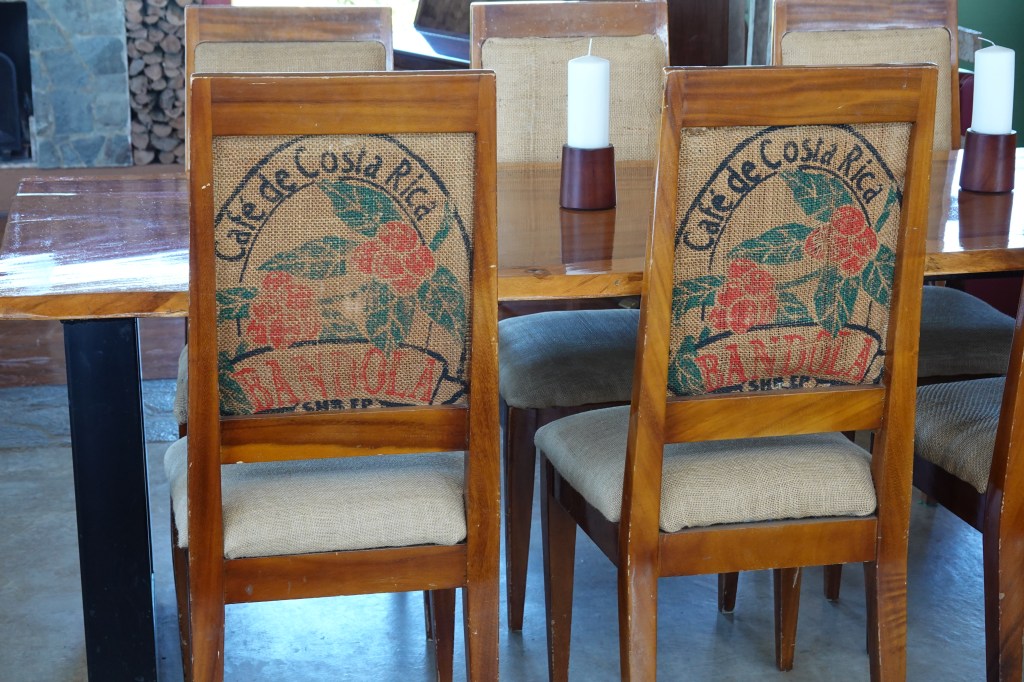
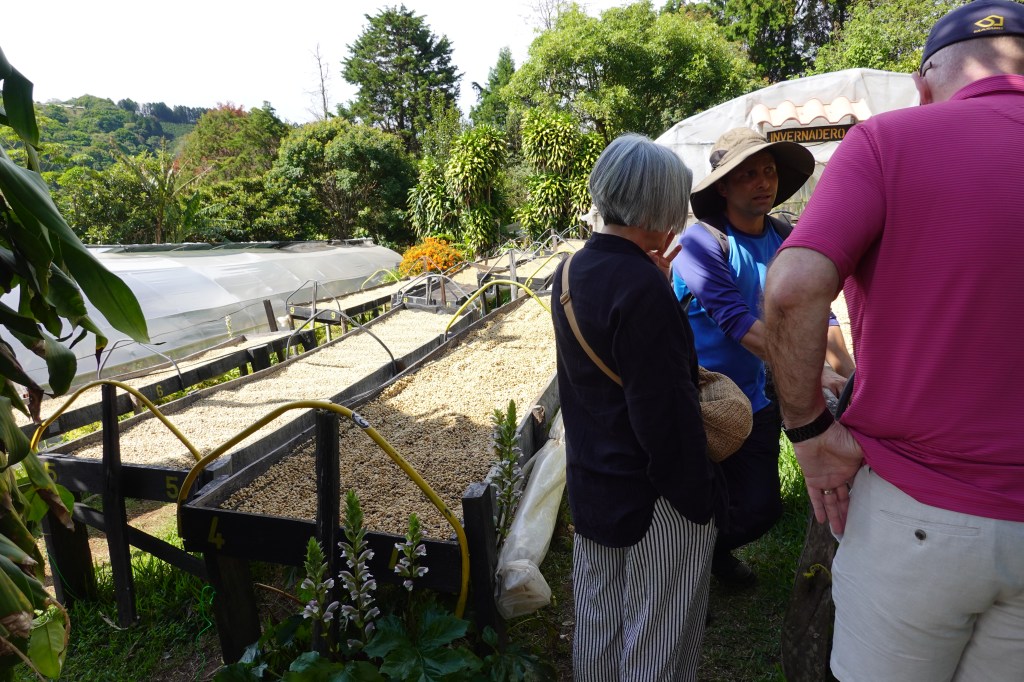
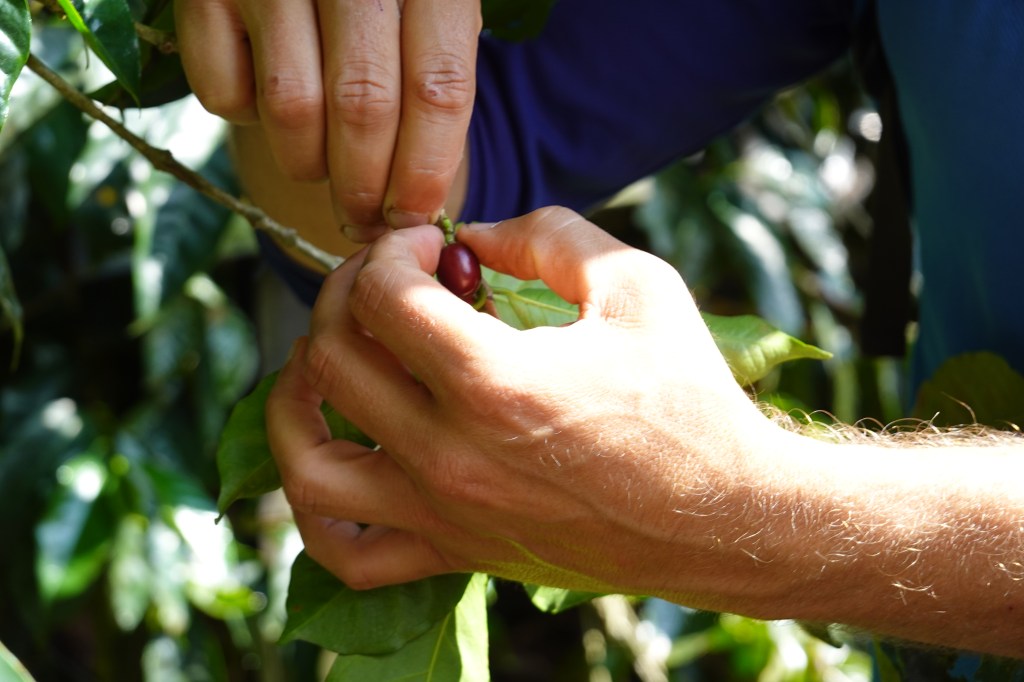
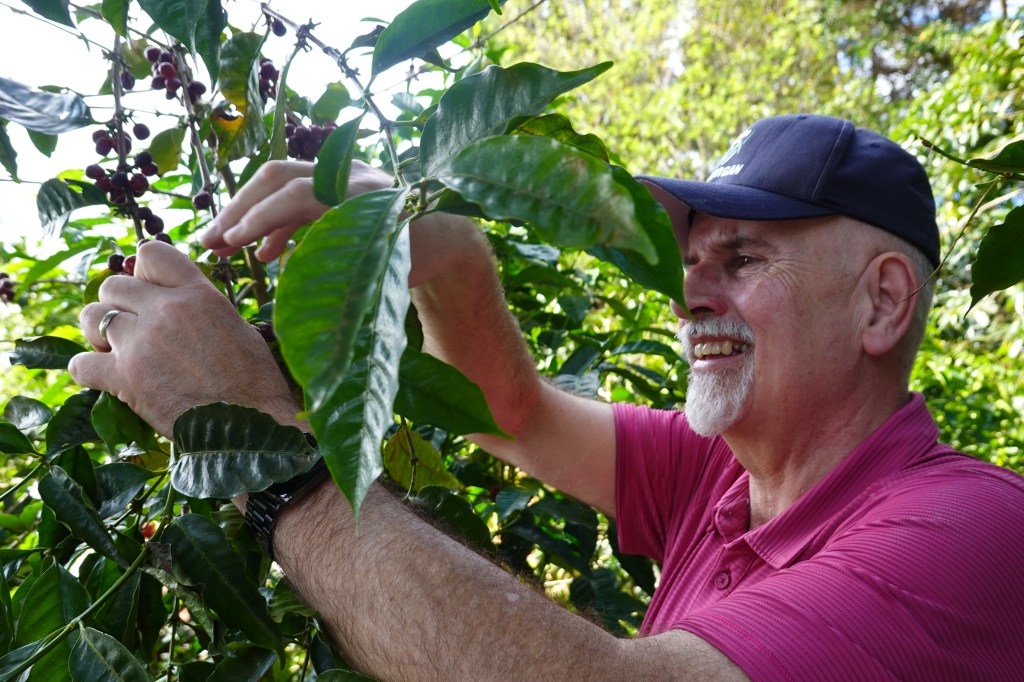
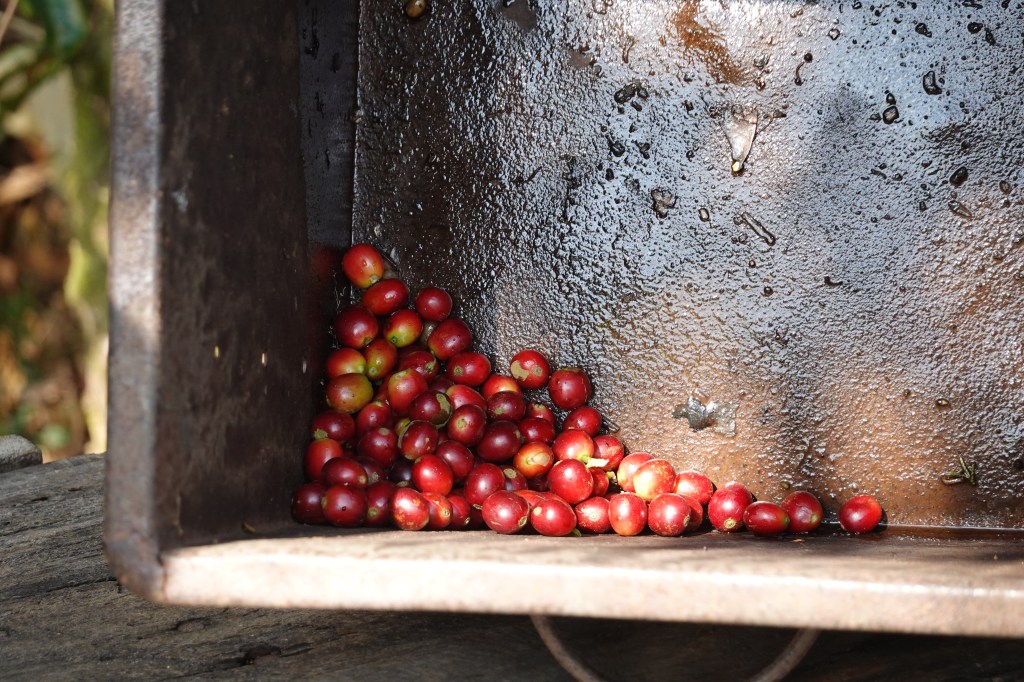
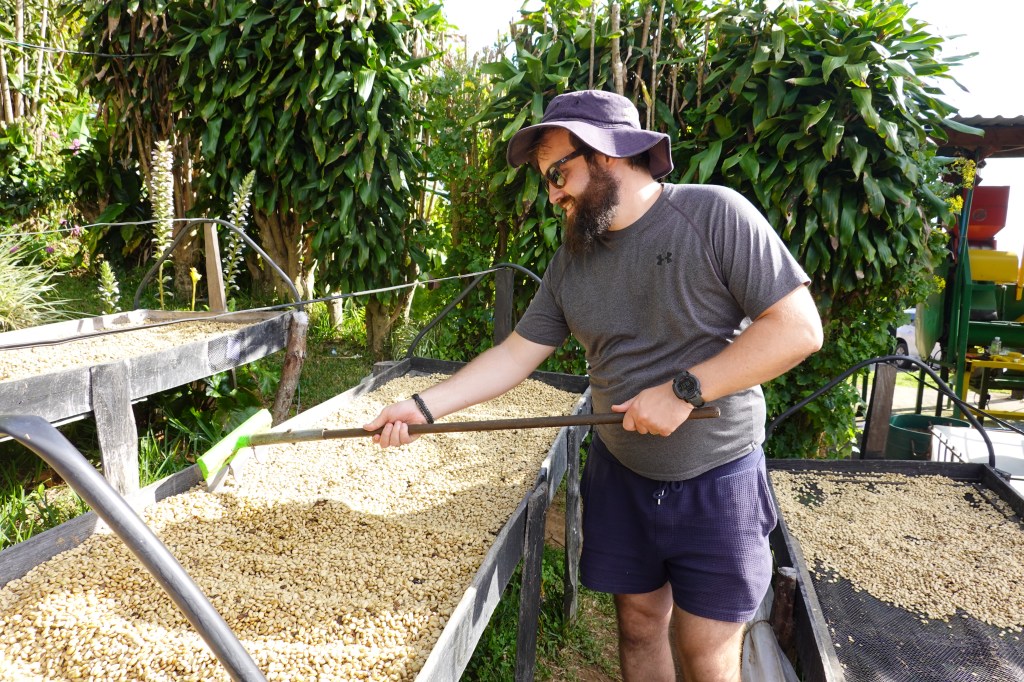
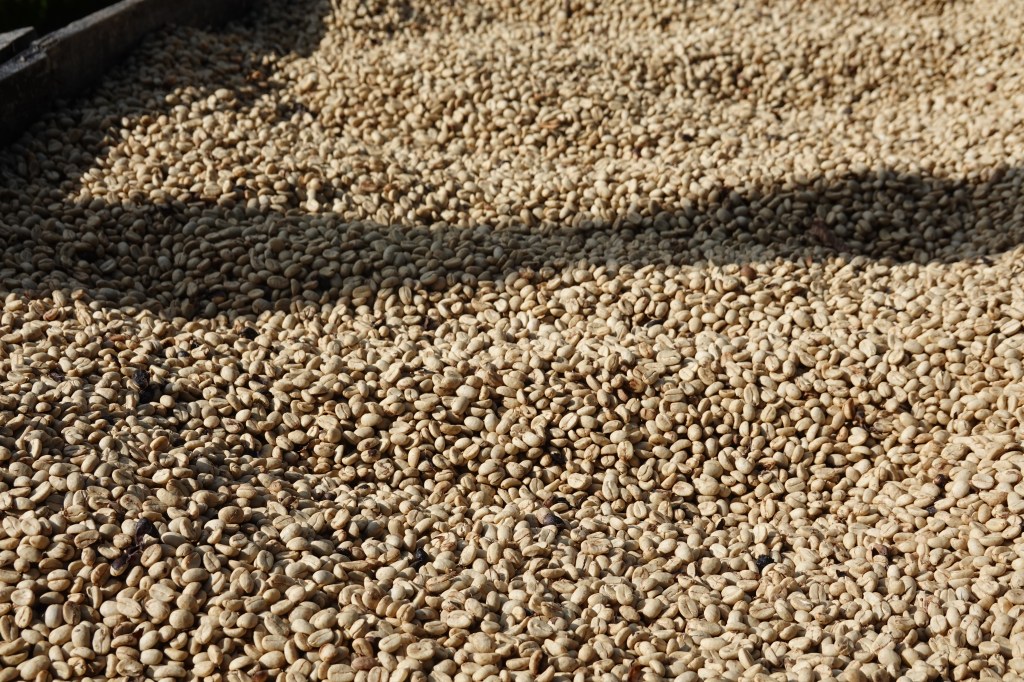
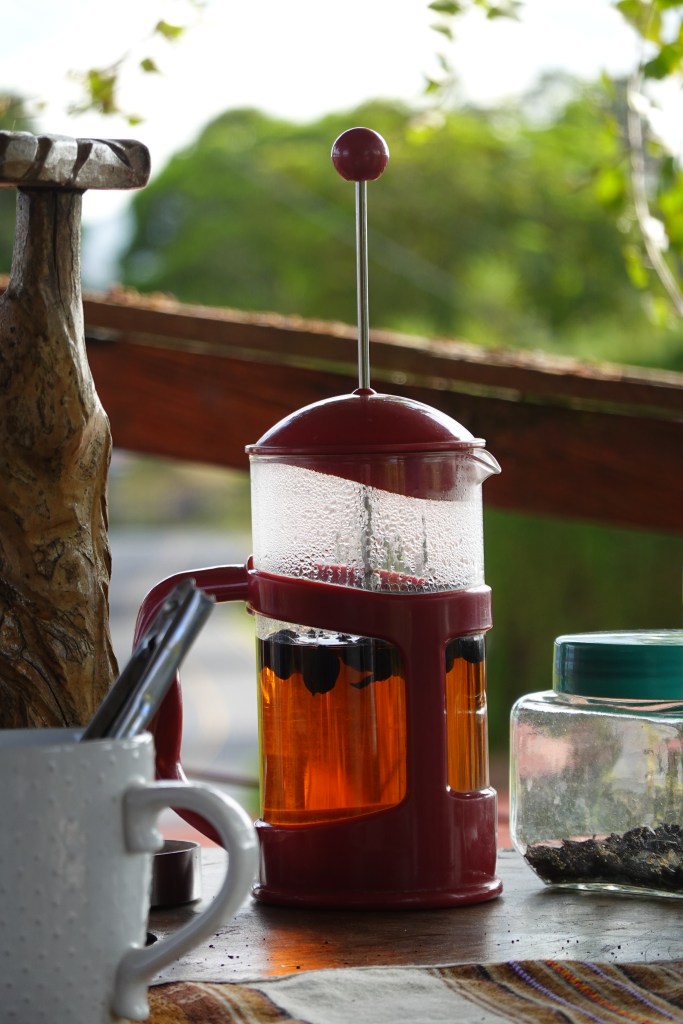
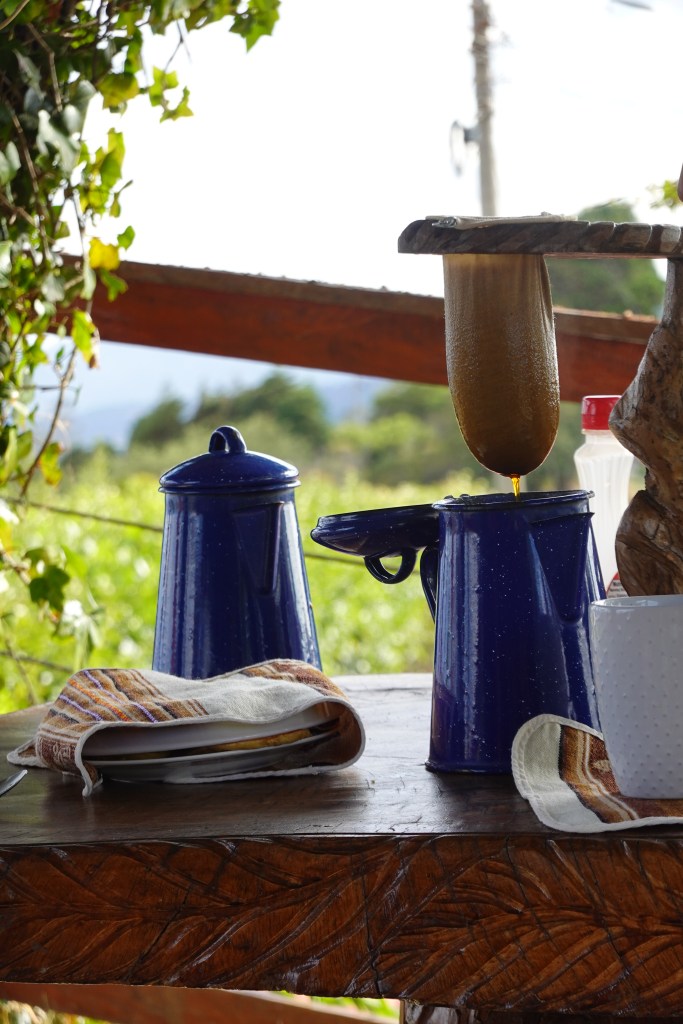
Then we met a local guide, Jose, for an excursion to a family-owned coffee farm nearby, where we learnt about the history and methods of coffee making in the country. As many readers will know, I hate coffee, but luckily, there is a tea made from dried coffee berry pulp which is a bit like hibiscus, which I was able to enjoy!
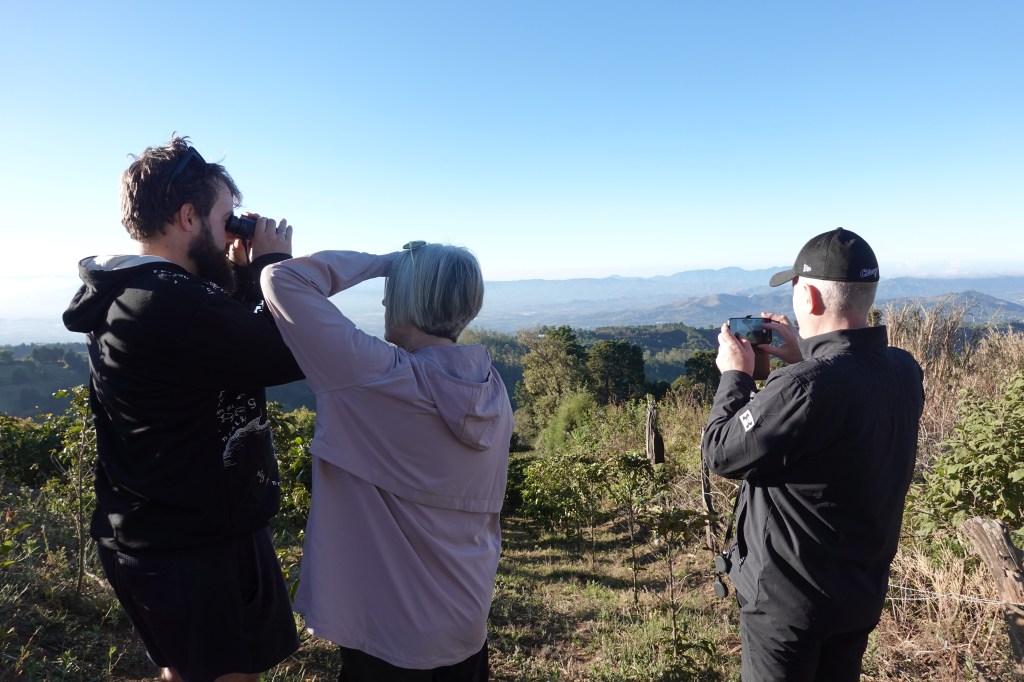
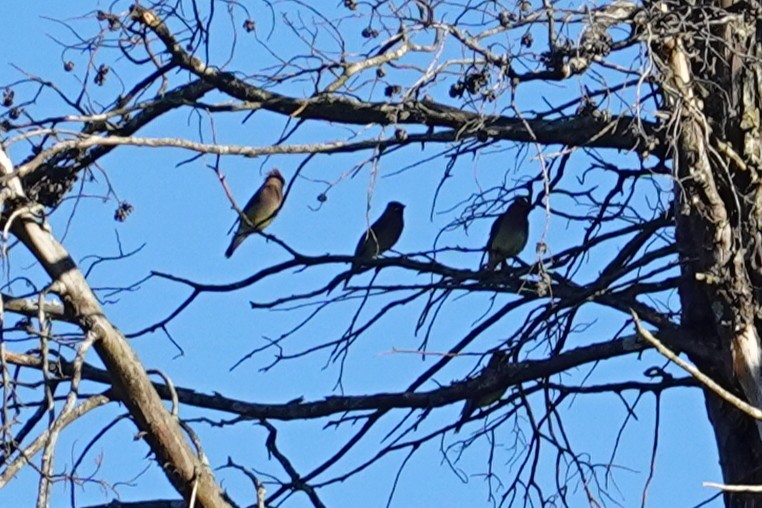
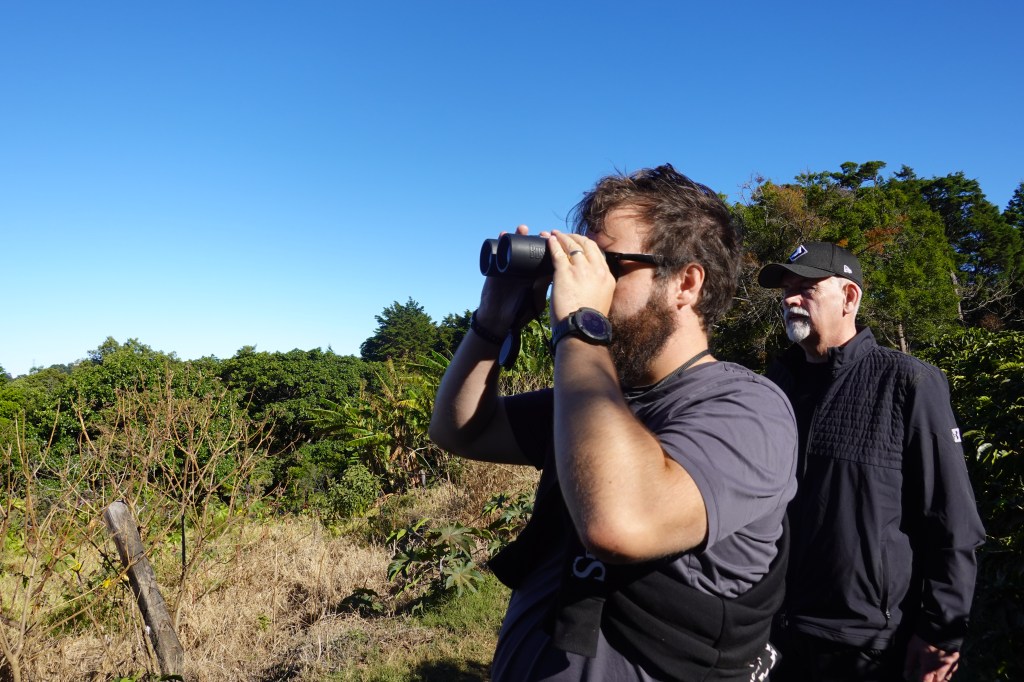
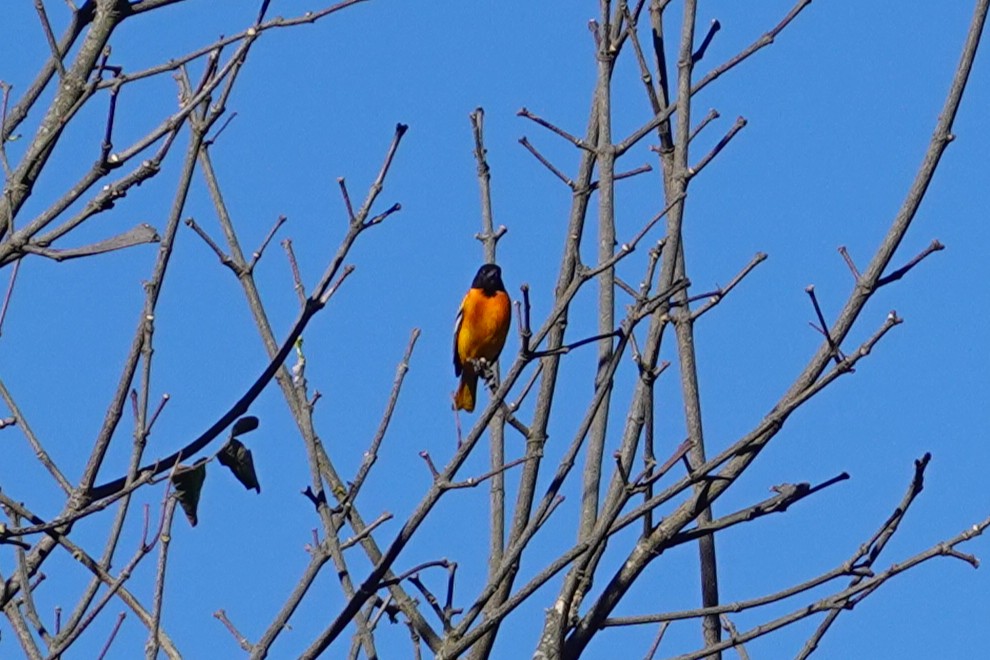
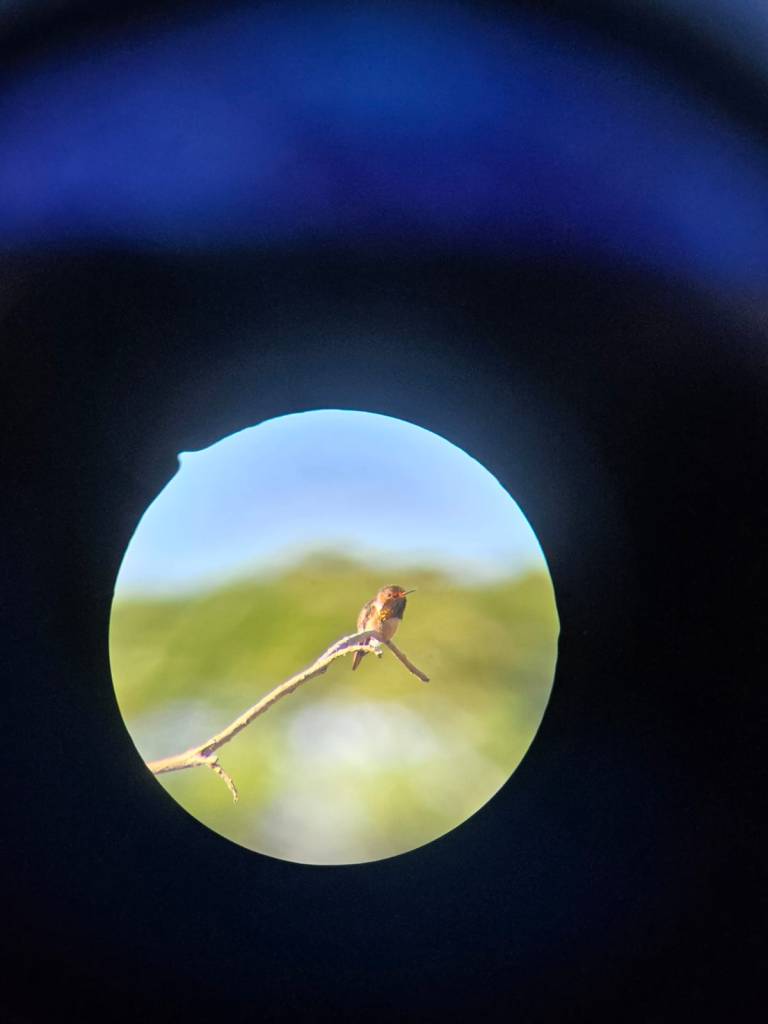
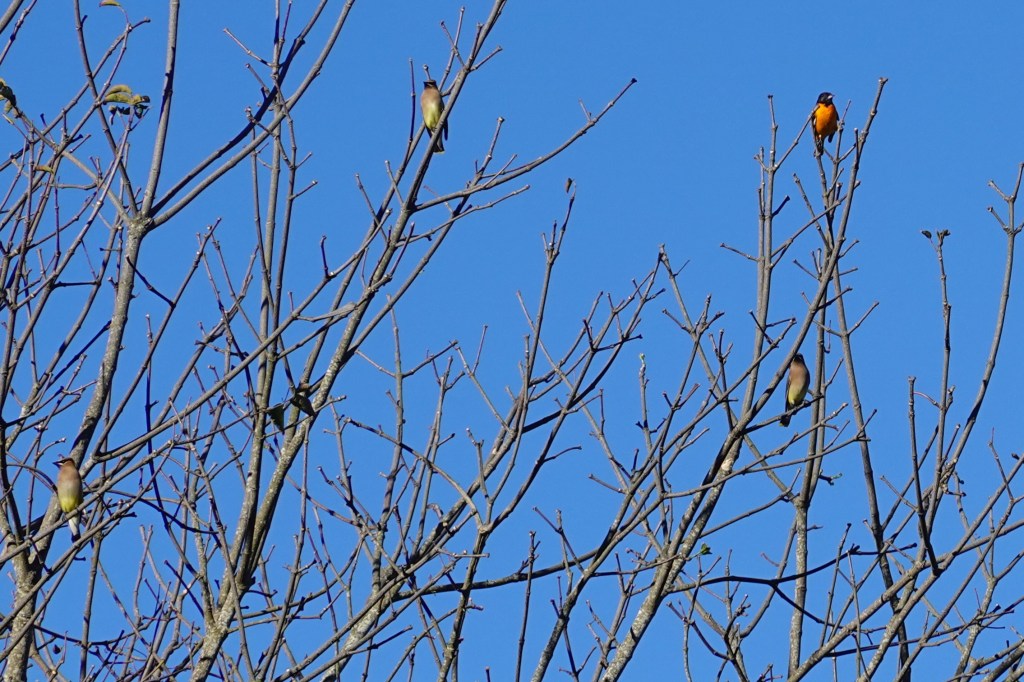
The next day, we were met by Jose again, this time at the crack of dawn, for some early morning bird watching. We saw so many incredible brightly coloured birds, the highlights were a toucan, green headed parrots, a bright orange Baltimore Oriele, and a tiny hummingbird, which we were told weighs less than 2 grams.
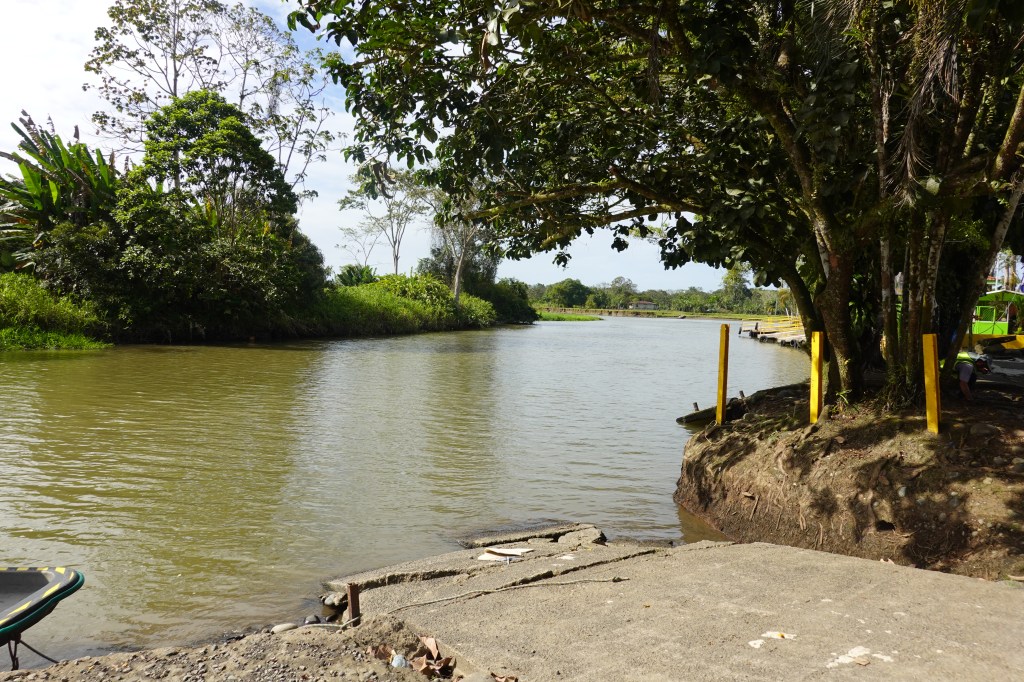
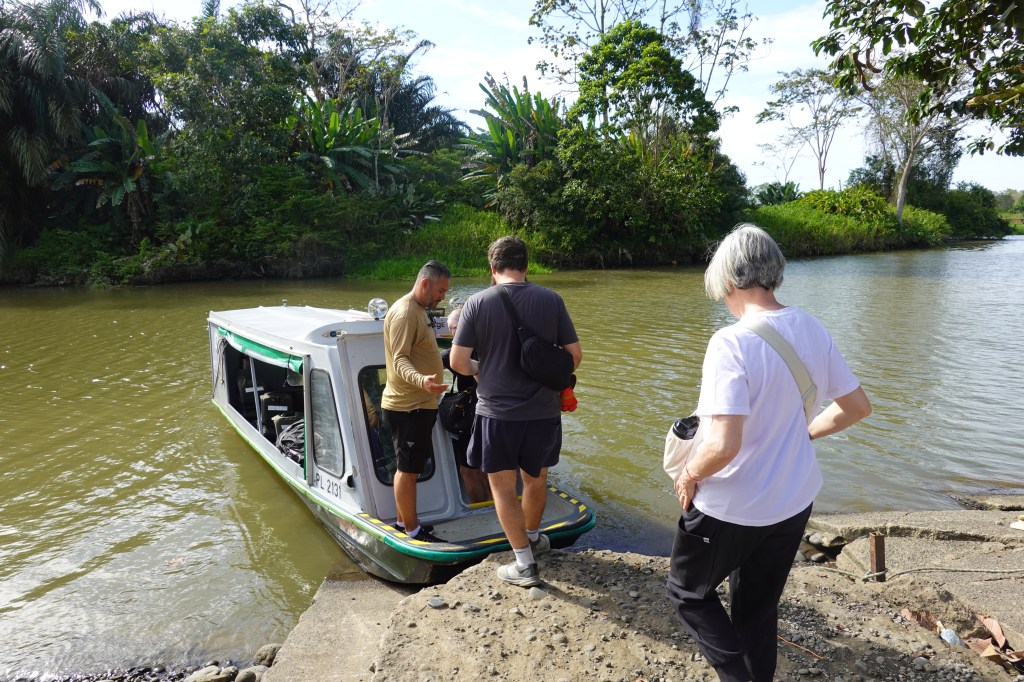
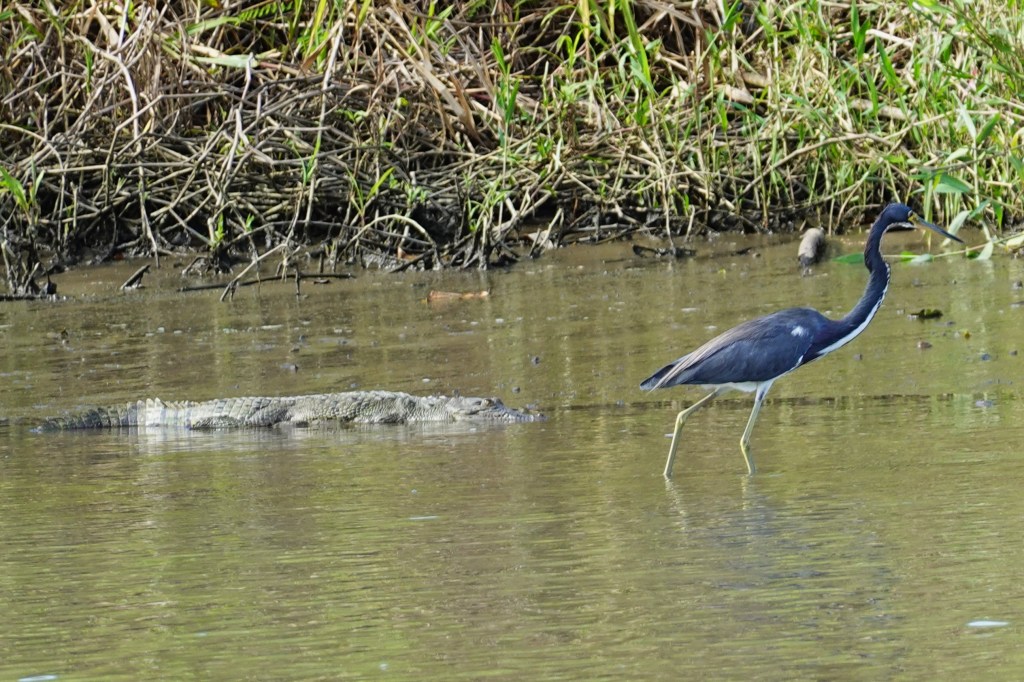
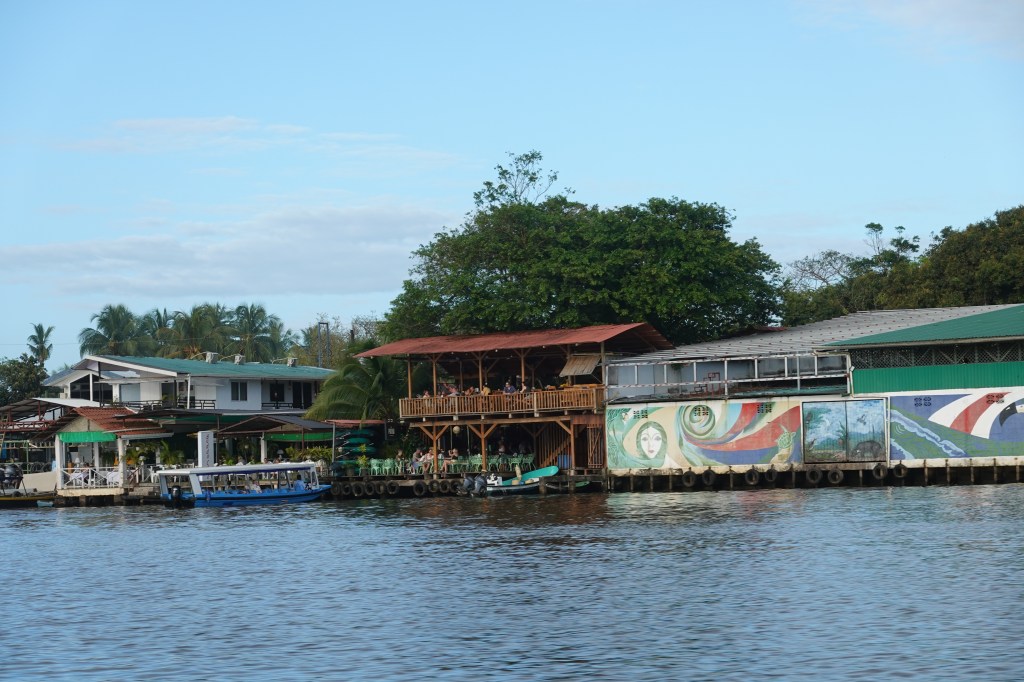
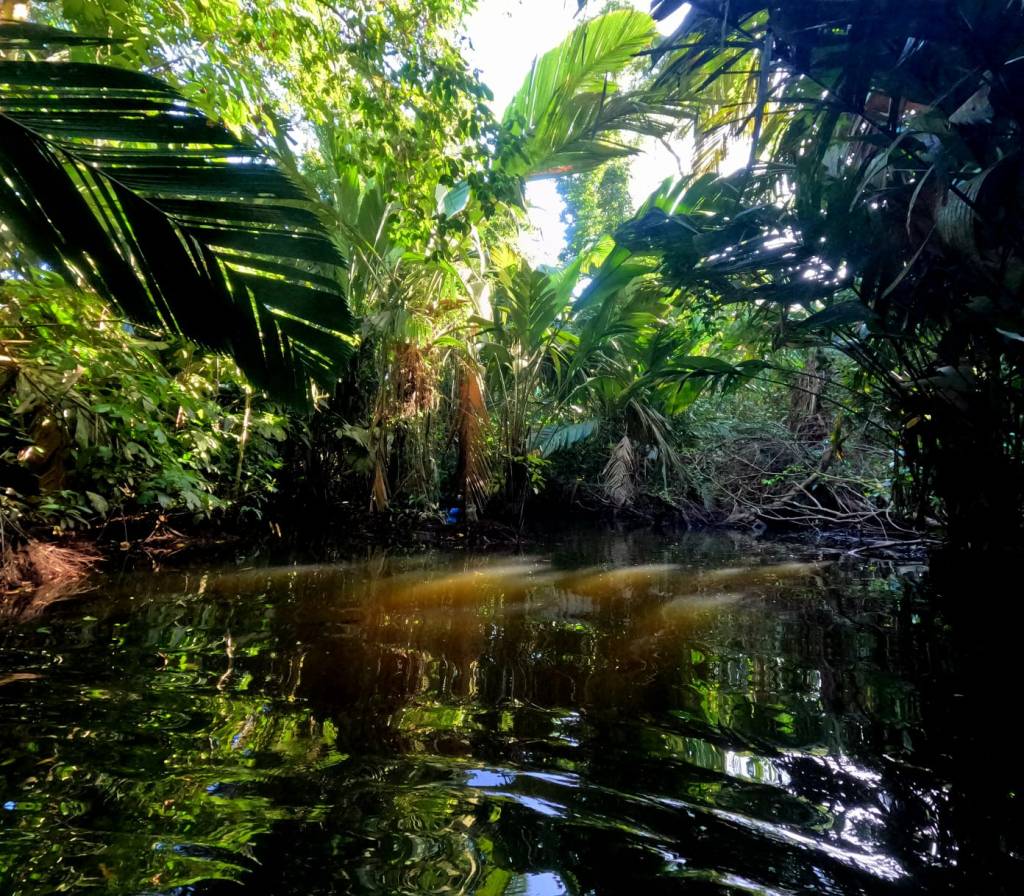
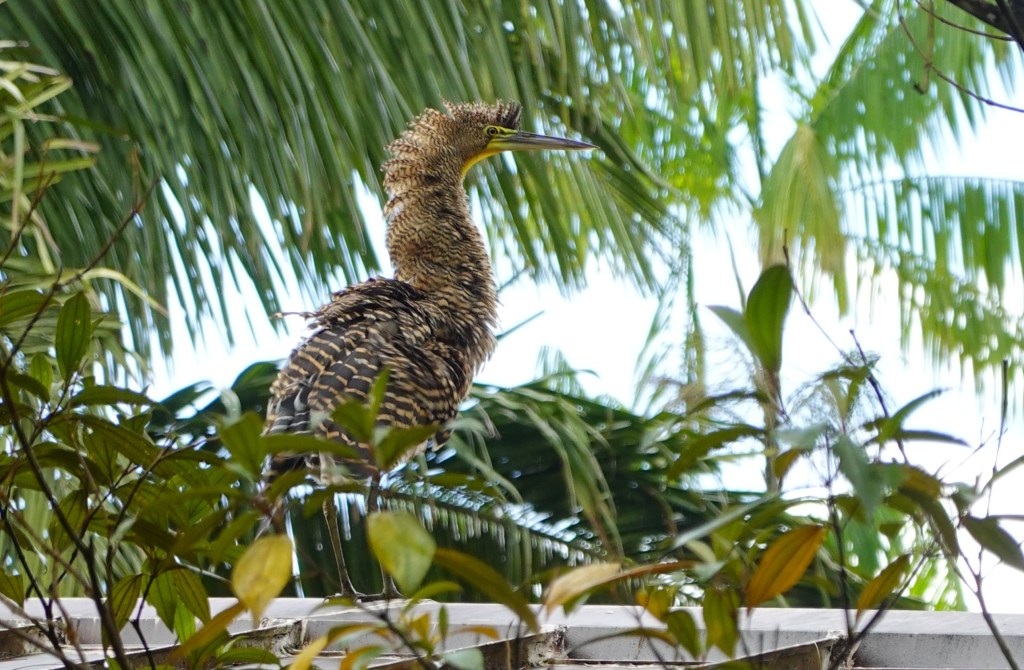
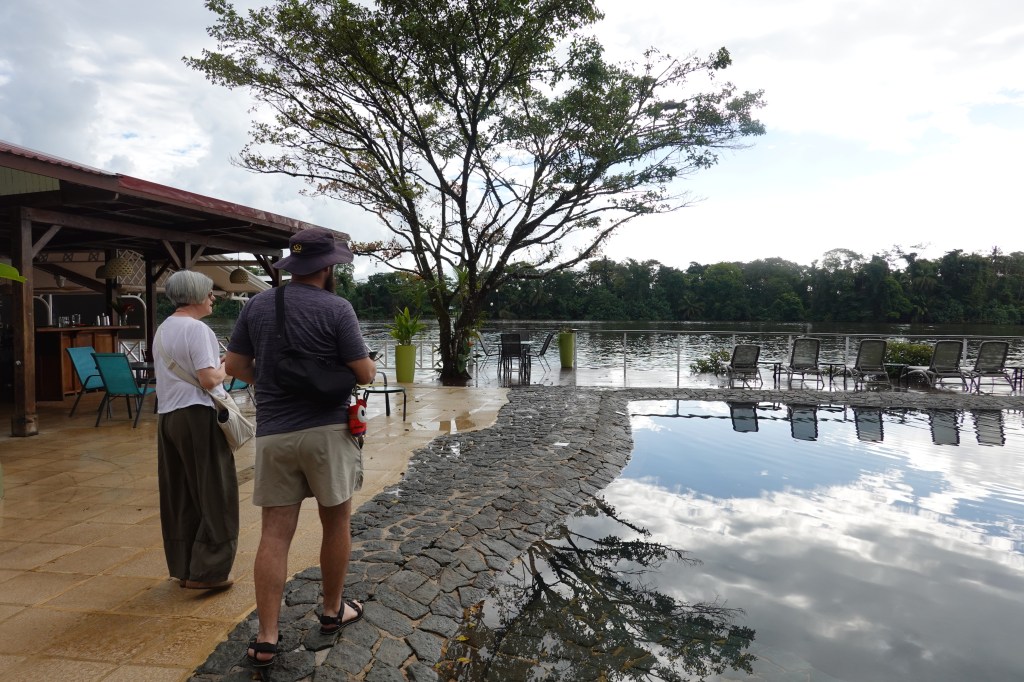
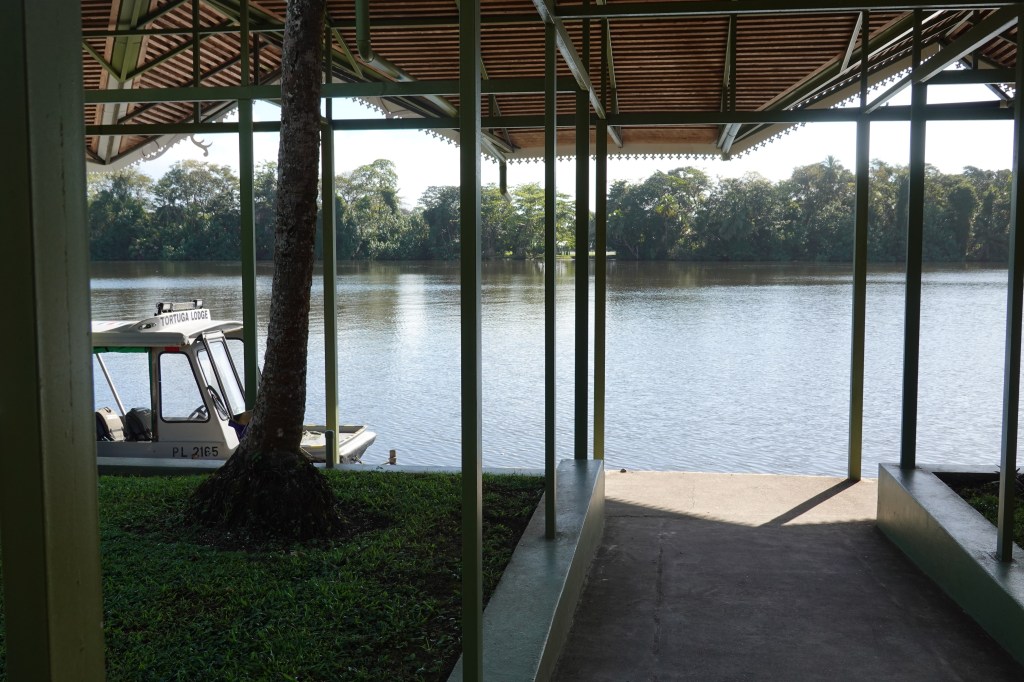
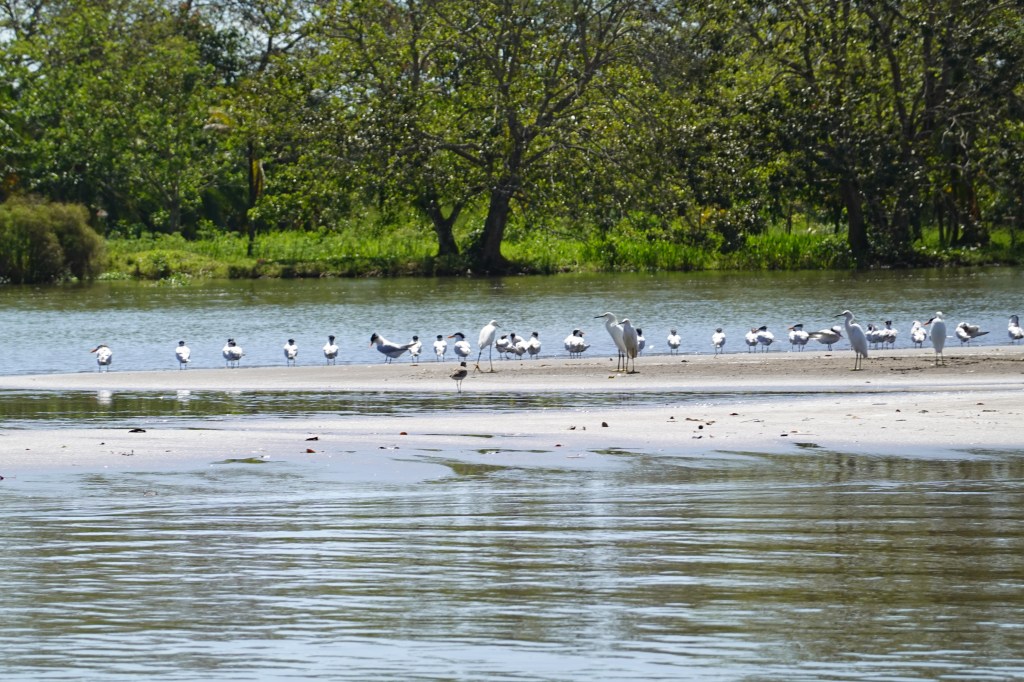
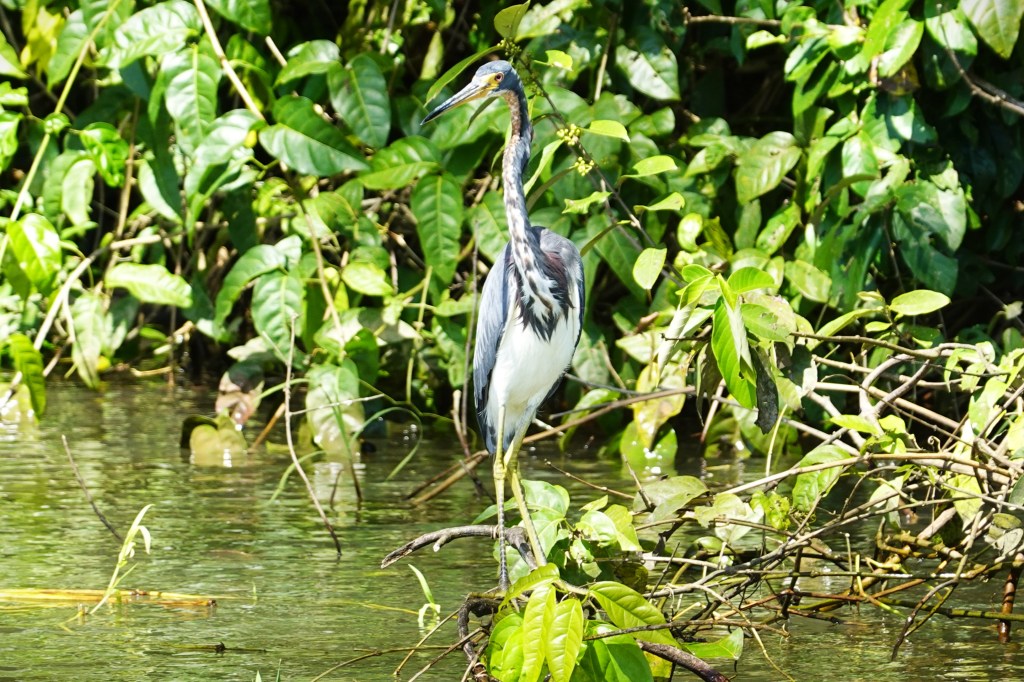
Following this early, but invigorating start, we travelled across the breadth of the country to Tortuguero, on the Caribbean coast. After a somewhat intrepid drive across unsealed roads we arrived at a dock where we had a transfer by boat to our hotel – Tortuga Lodge. Tortuguero is an unusual place. It’s a rainforest and national park located on a sandbar right next to the ocean. There are no cars. Everyone navigates the area on foot, bike or via boat. It took an hour to travel from the dock where we left our car to the lodge where we stayed, and it felt like a combination between the Amazon river and Jurassic Park as we spotted crocodiles, herons, and prehistoric looking vines on our commute.
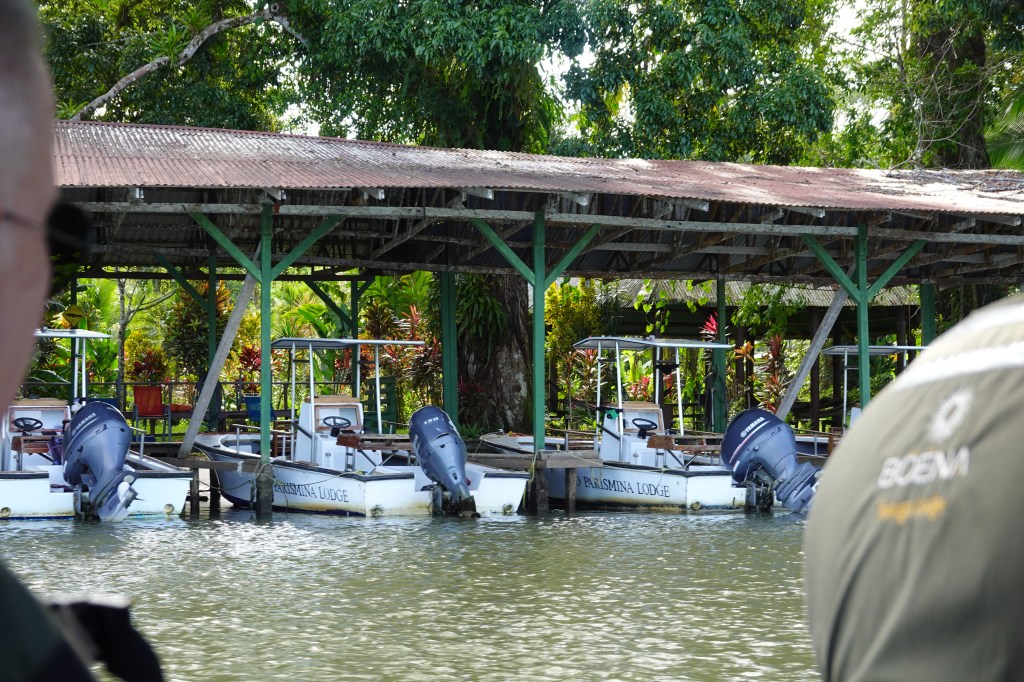
We had some fantastic food in the hotel restaurant, which was a combination of some of the flavours and ingredients we’ve had elsewhere in south America, but with a healthy Caribbean twist and fantastic fresh seafood.
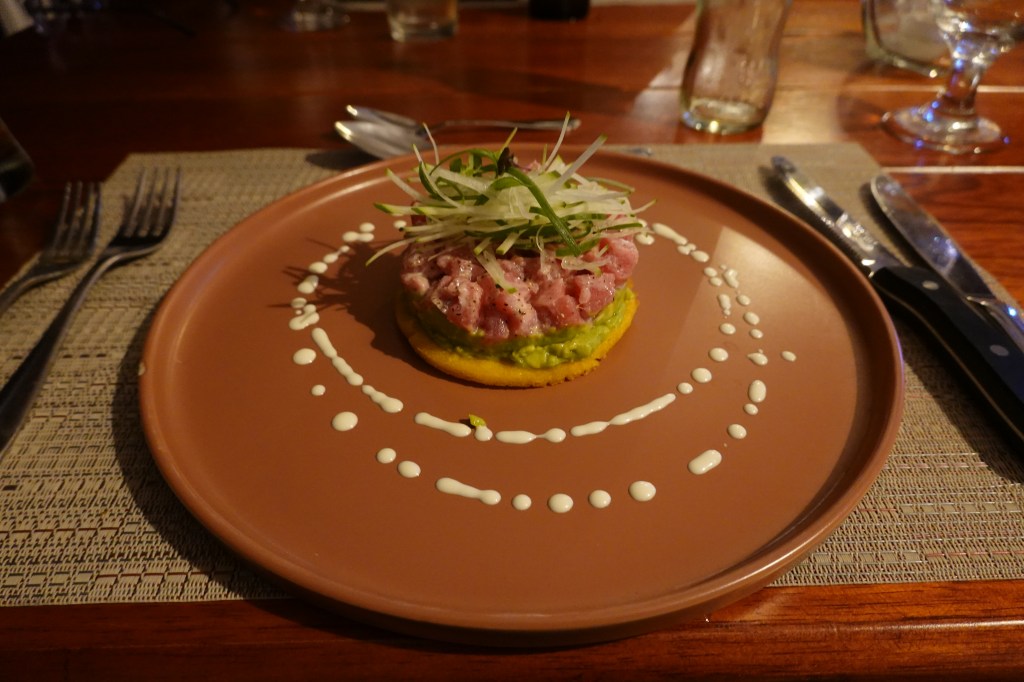
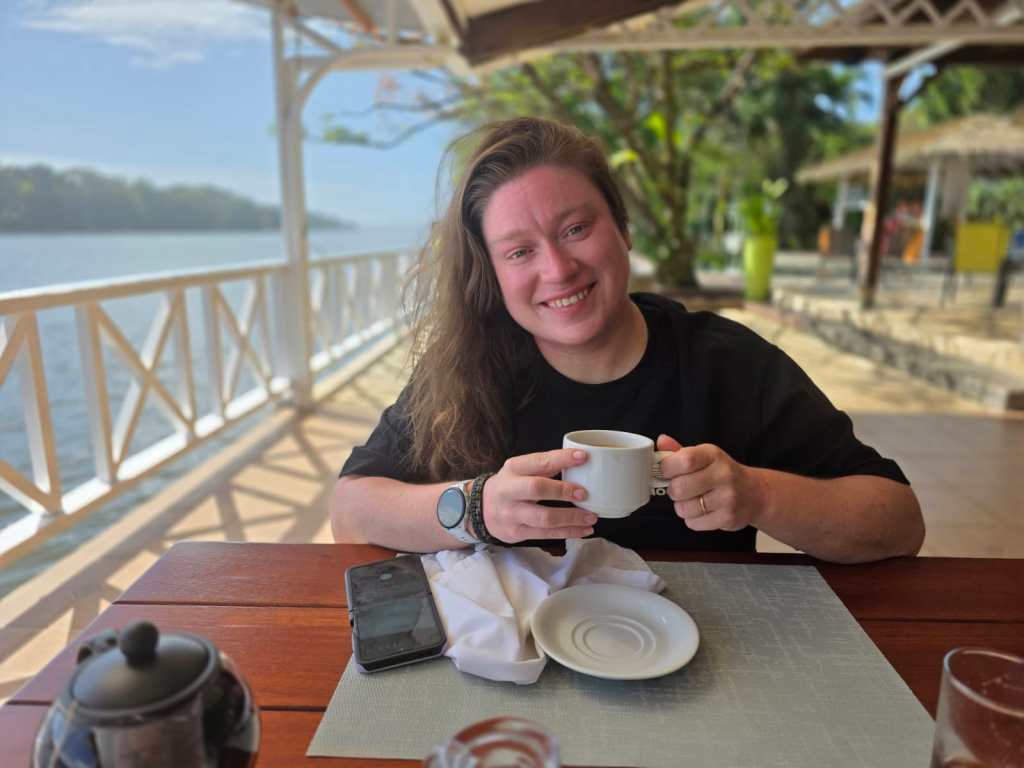
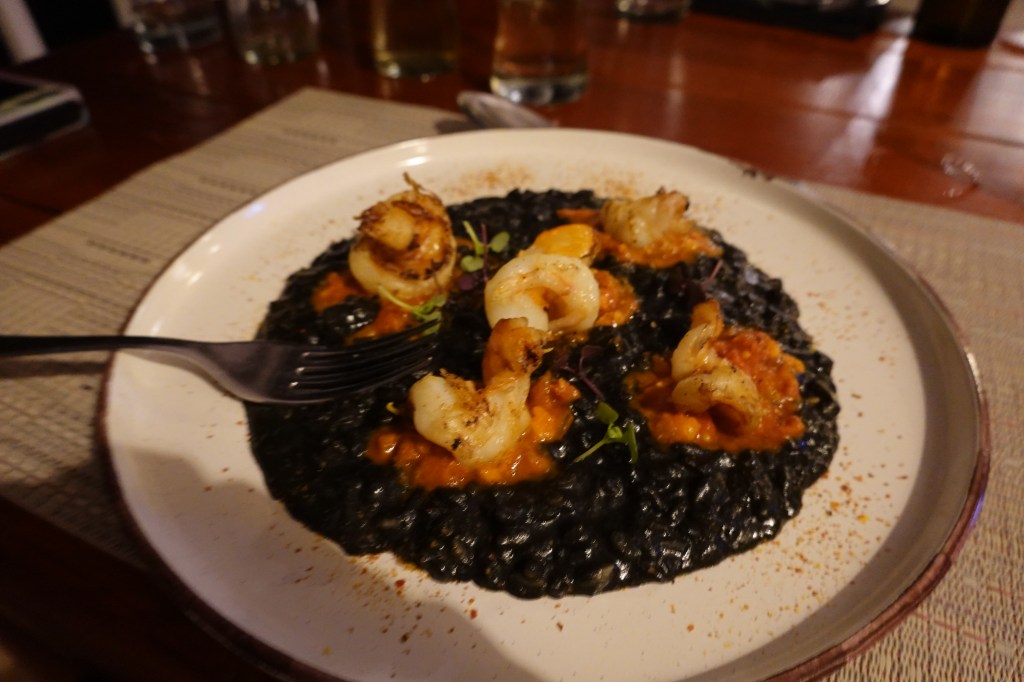
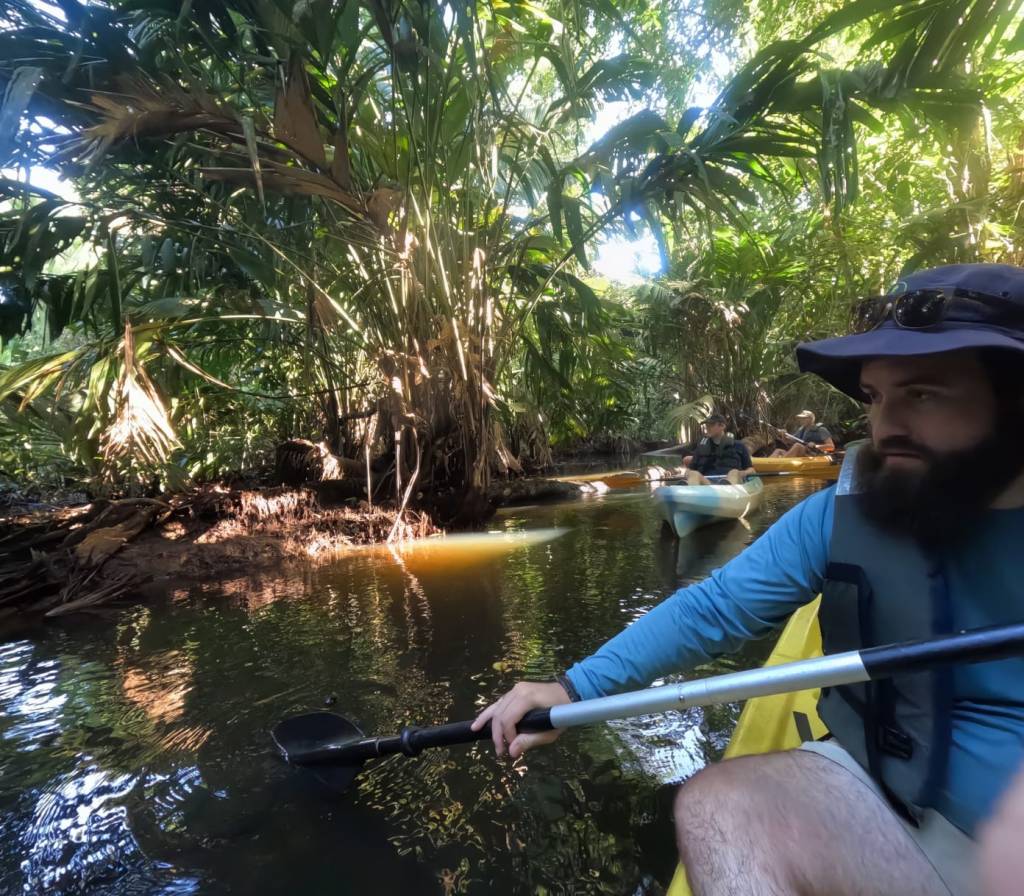
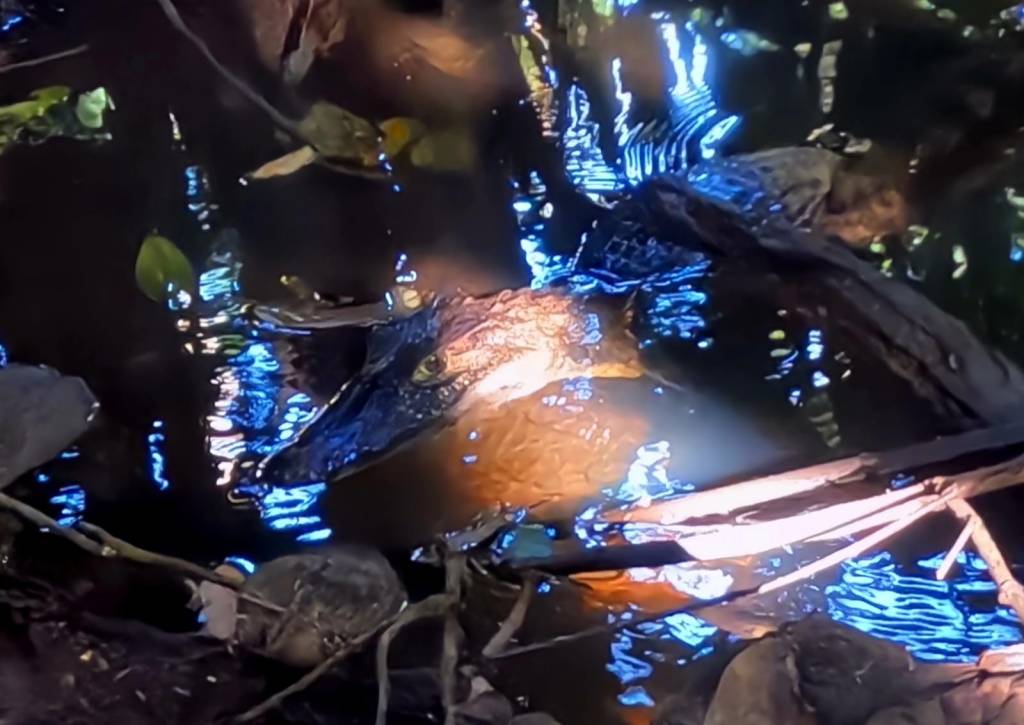
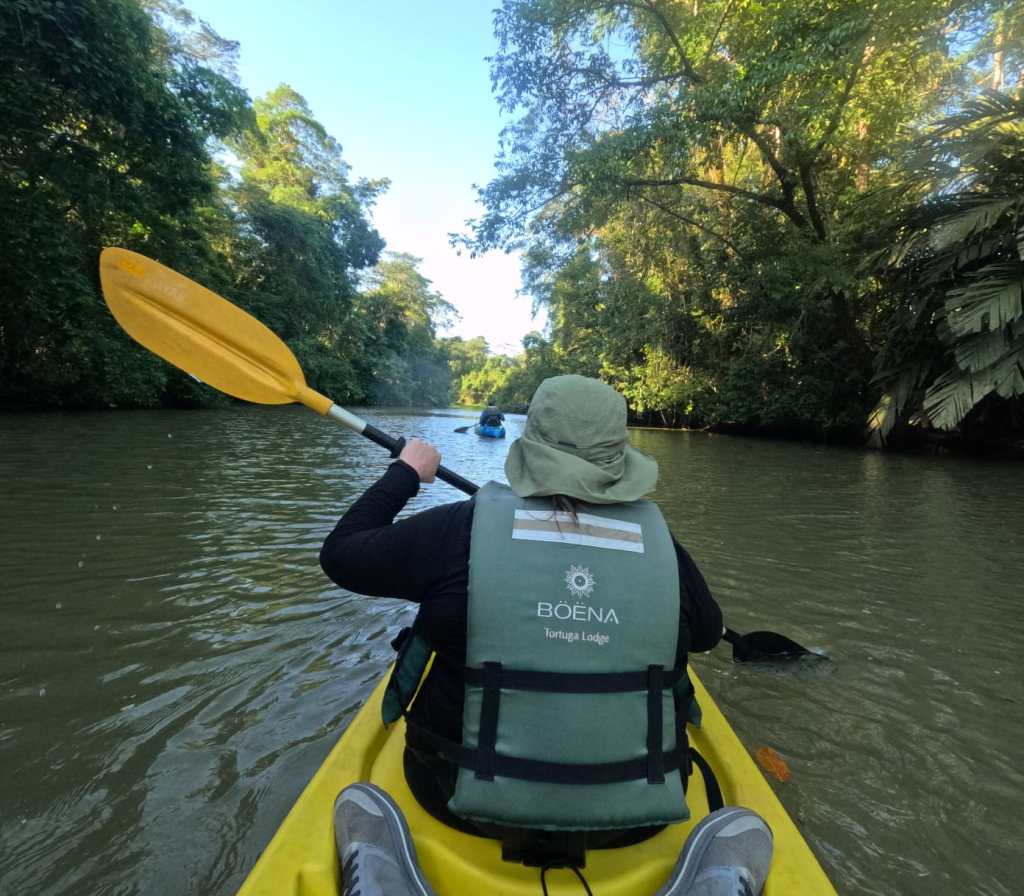
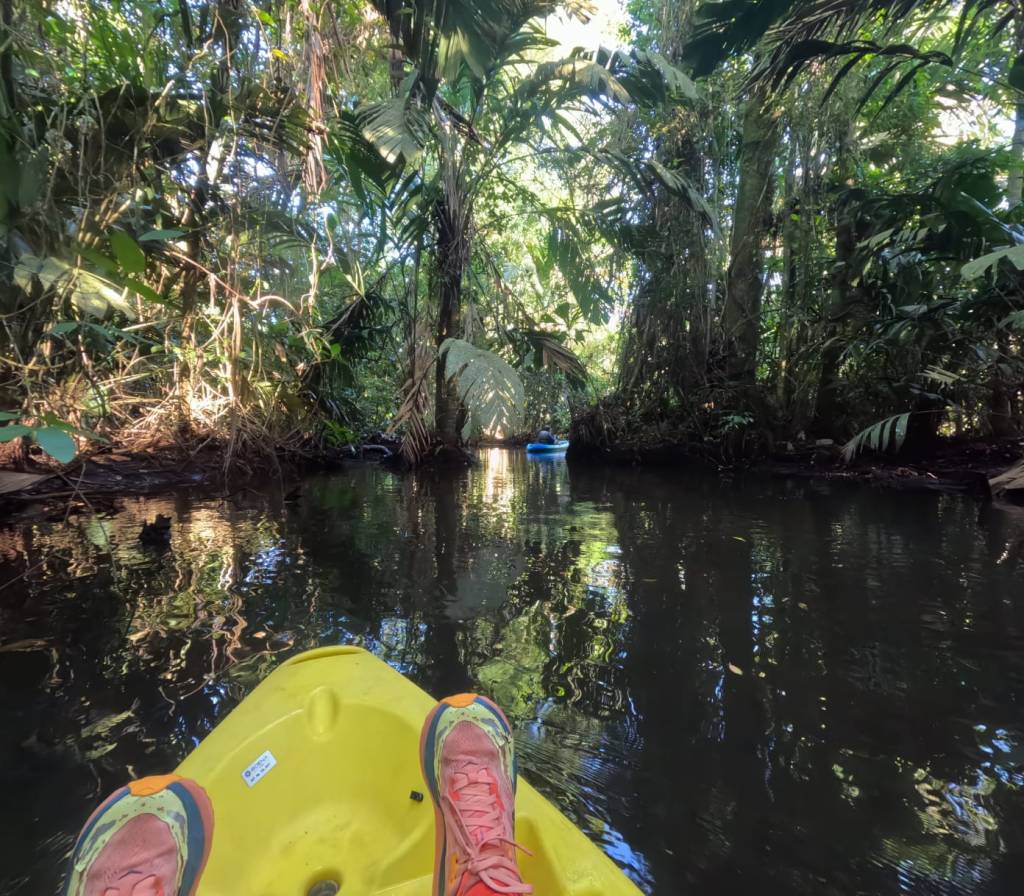
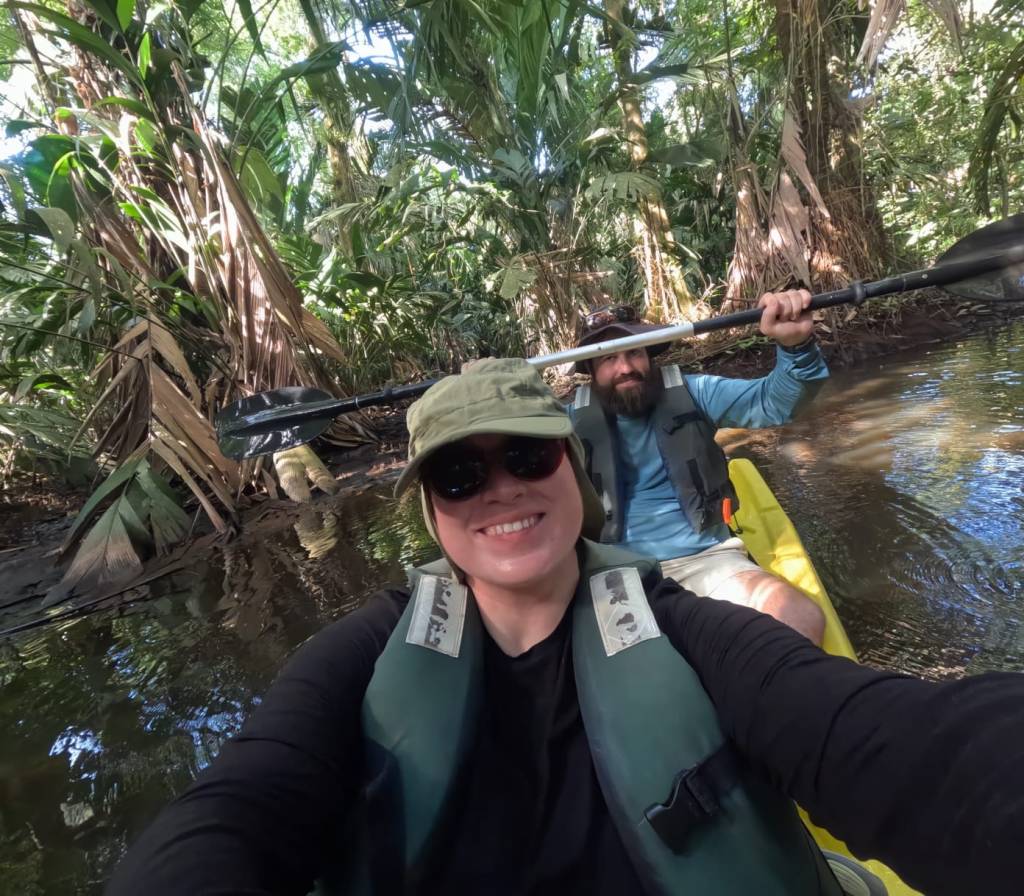
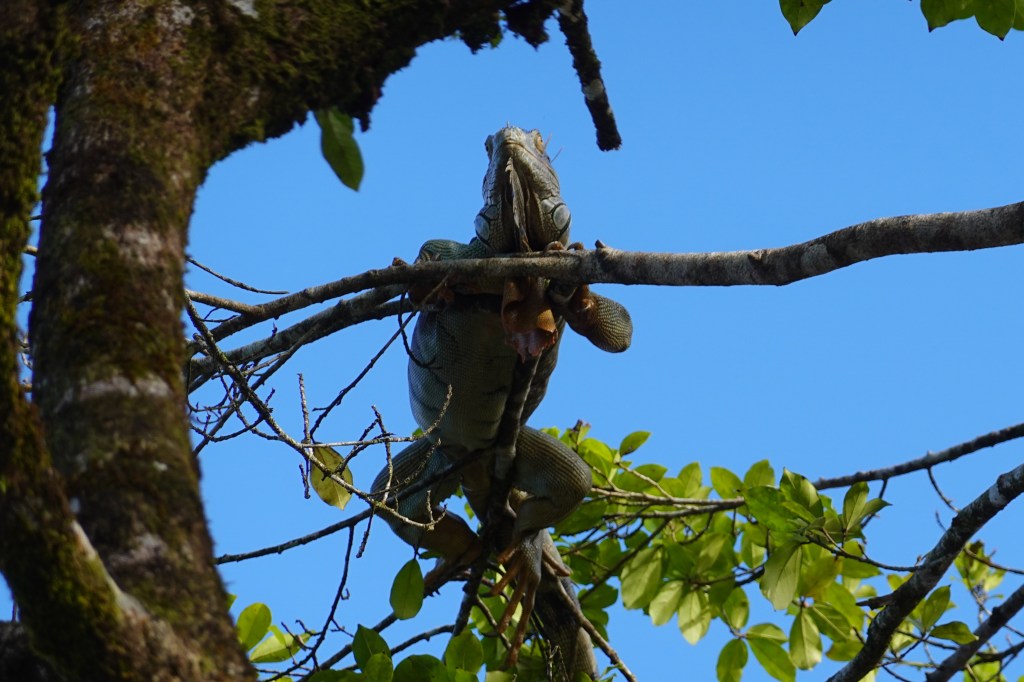
To get a little more up close and personal with the wildlife, Matt and I opted for a Kayak tour, where away from the motor boats we explored some quiet shaded trails where we saw bats, cayman lizards, huge iguanas fighting over food and falling into the river, and we saw howler monkeys and many tropical birds too!
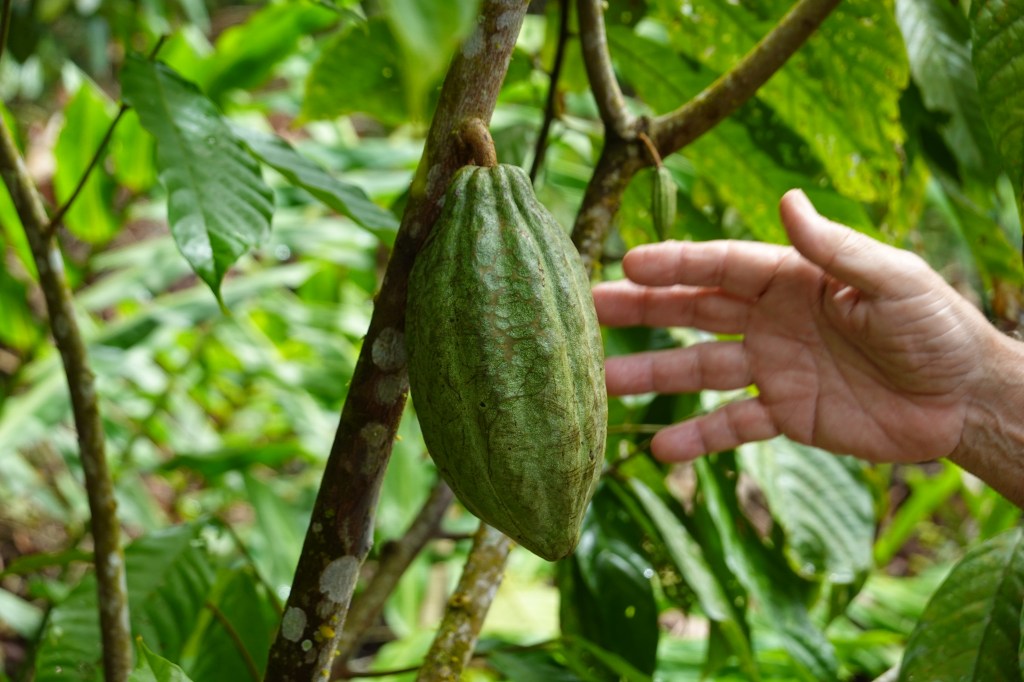
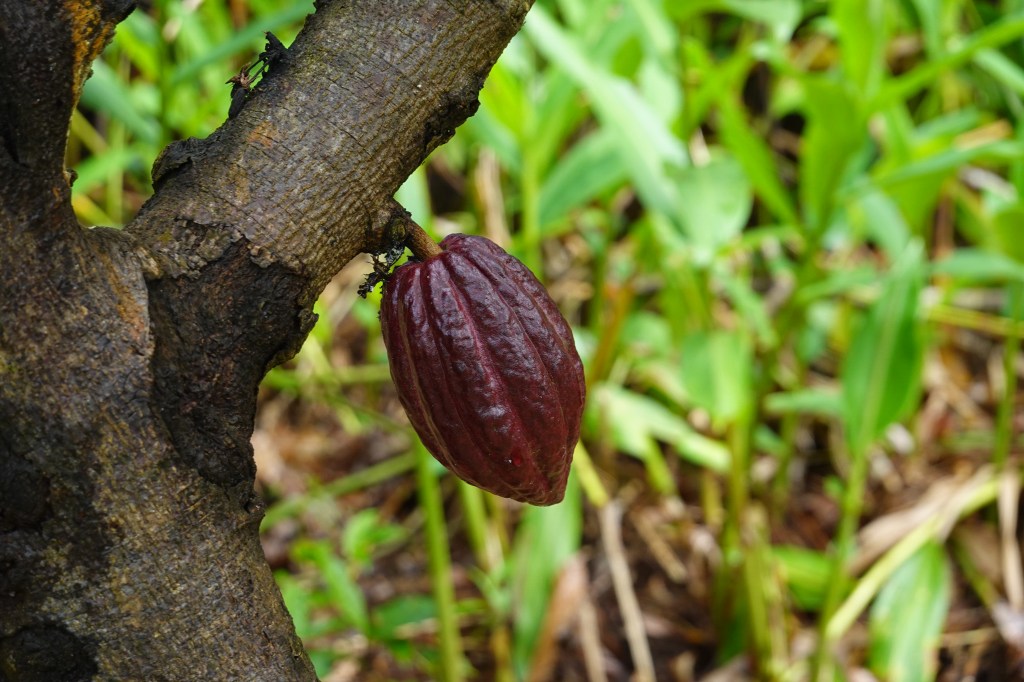
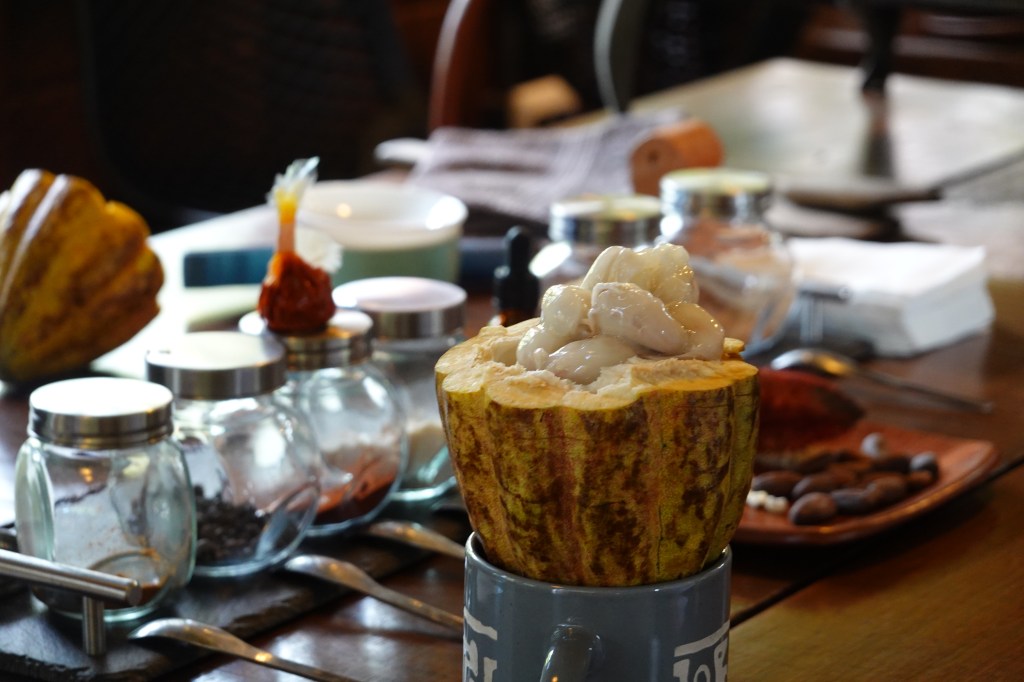
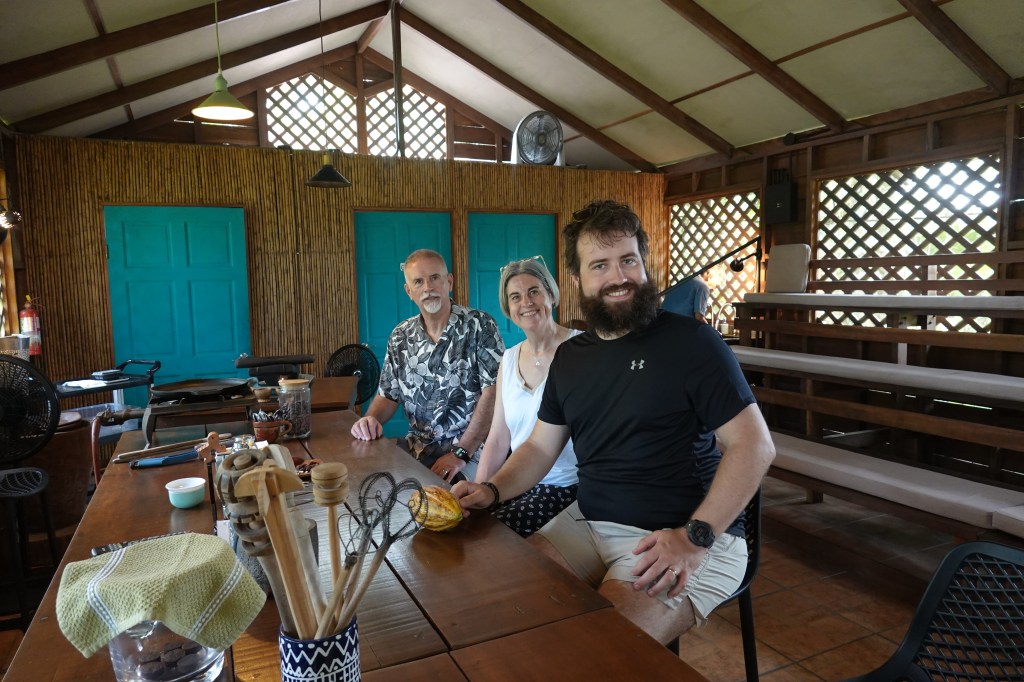
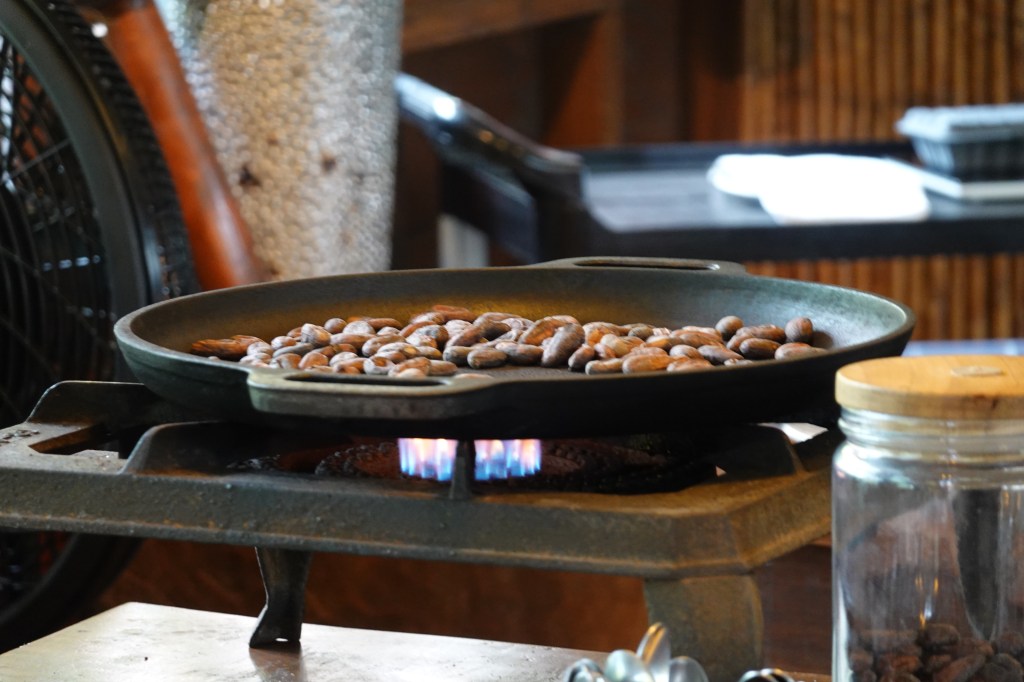
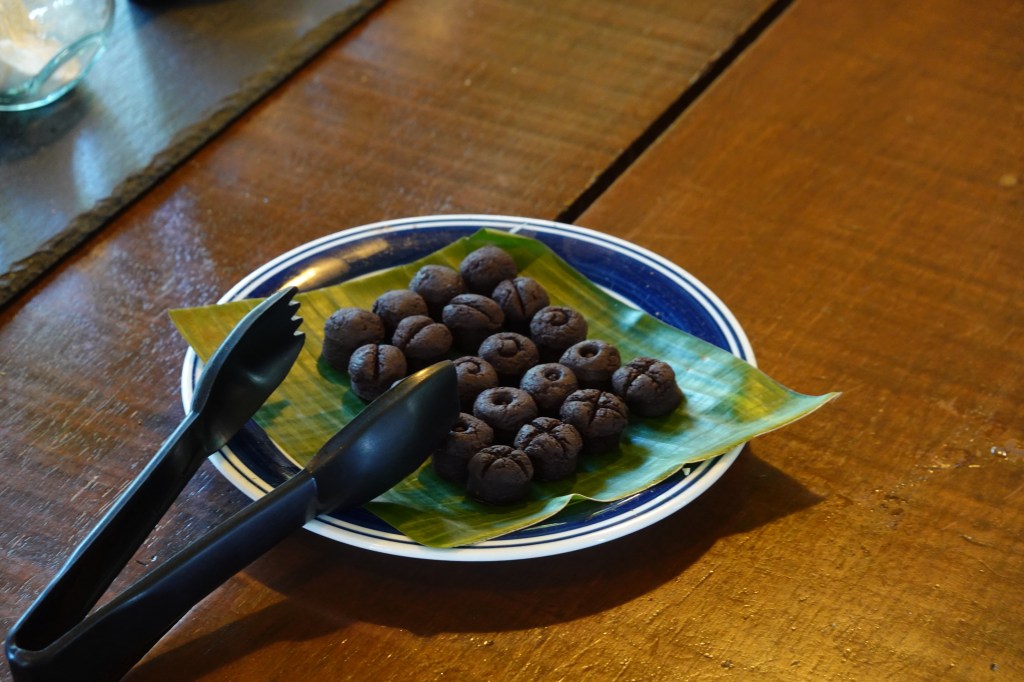
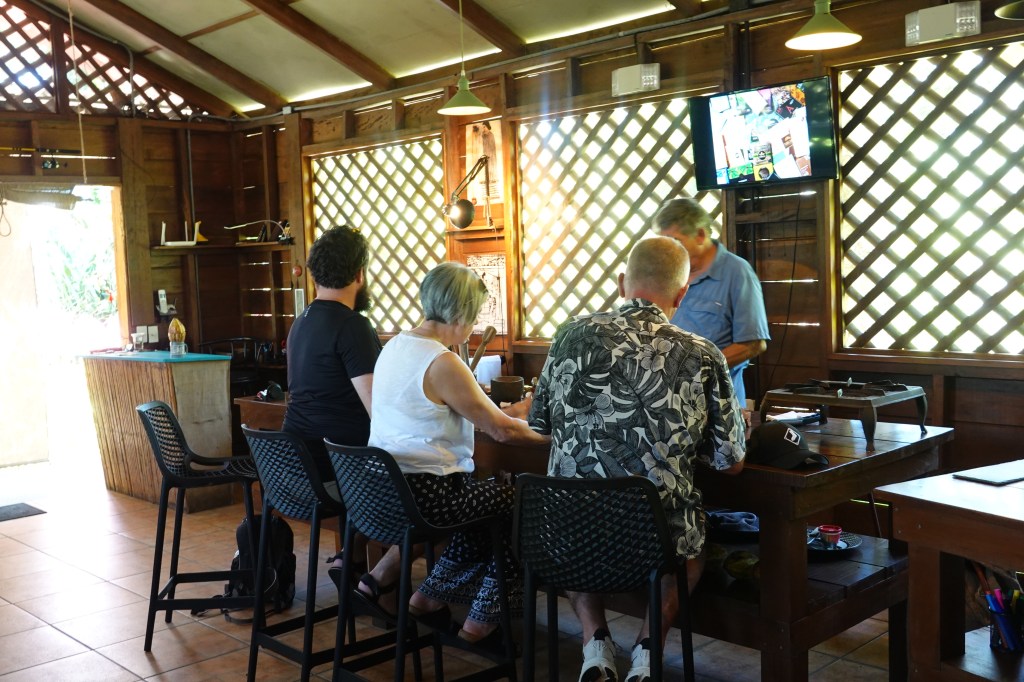
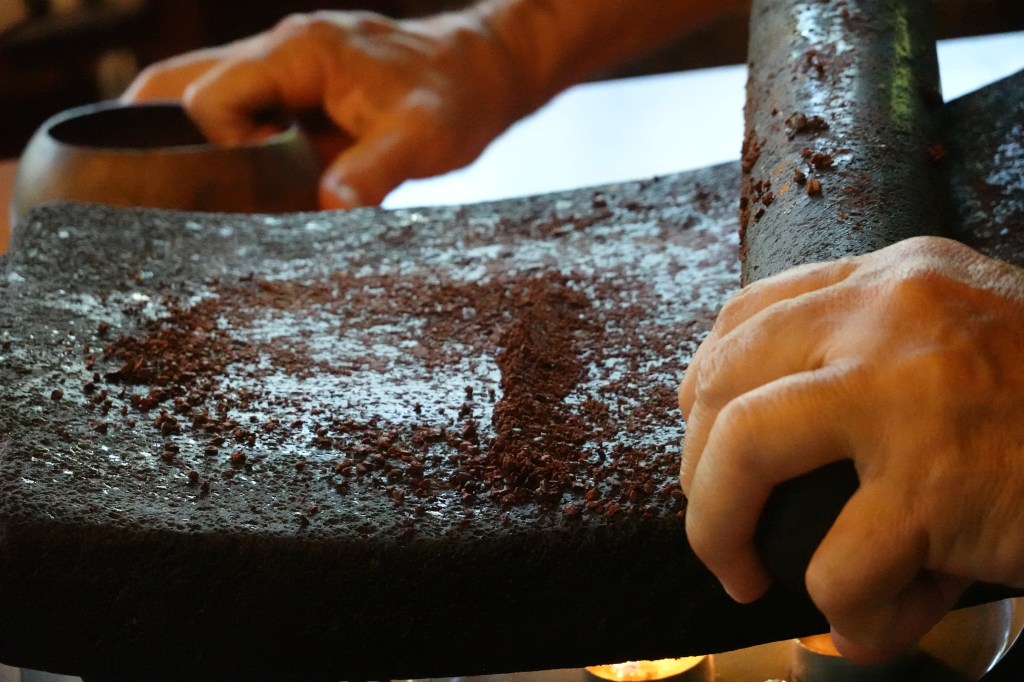
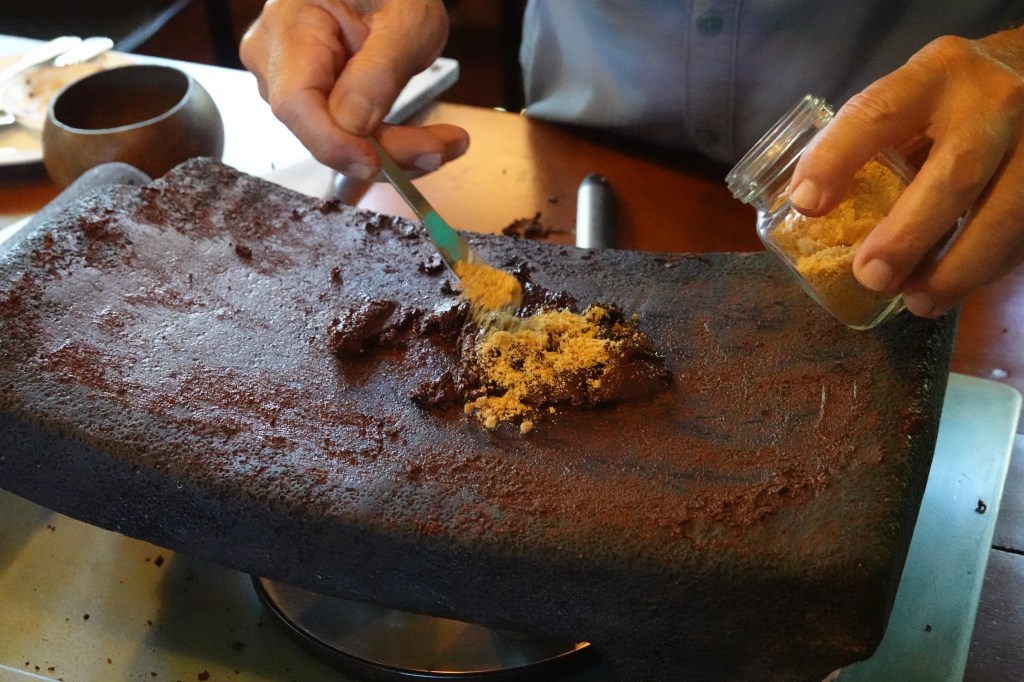
The next day, we visited a small cacao plantation in the area, where we learnt about the history of, and had a go at making, traditional spiced Mayan drinking chocolate and a rustic chocolate bar that the Spanish colonisers would have eaten. The drinking chocolate was nothing like hot chocolate. It was bitter, mixed with powdered dry corn and flavoured with chilli and allspice. It was super interesting to try, and definitely drinkable, but not something we’d reach for at home. The chocolate bar we made by grinding dried and roasted cacao nibs on a hot volcanic stone was a little more recognisable as chocolate. As eating rather than drinking chocolate was a colonial invention, we took the liberty of adding sugar, extra cocoa butter and flavourings like vanilla and cinnamon into the mixture. The chocolate was still very dark (equivalent to an 80% cocoa bar) and as it was hand ground and untampered had a texture more like a fudgy chocolate brownie than the lindt in Tescos.
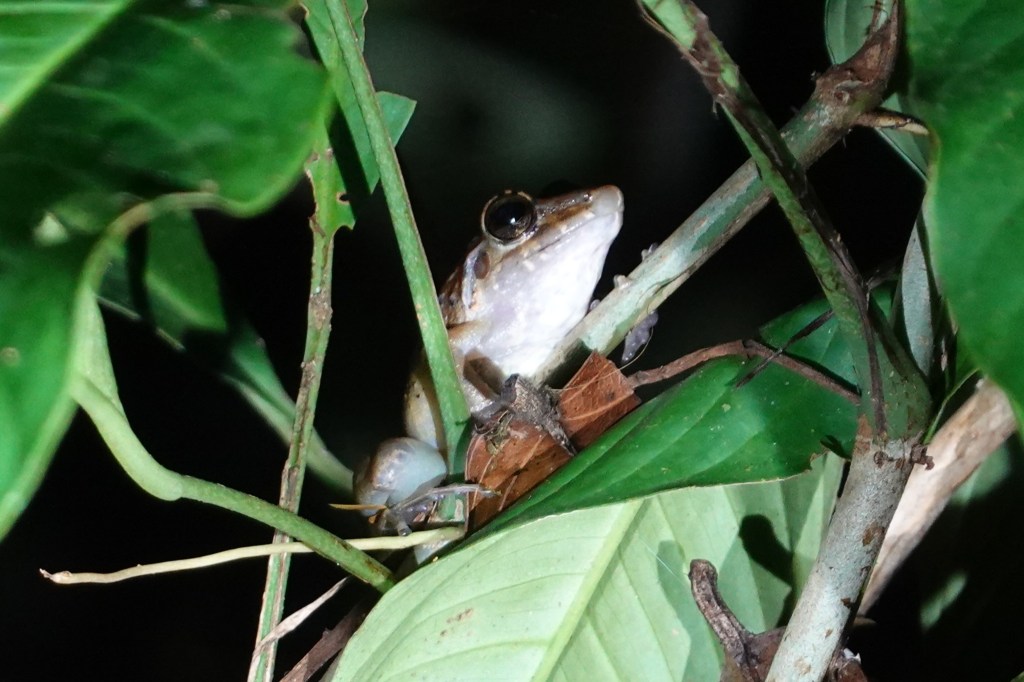
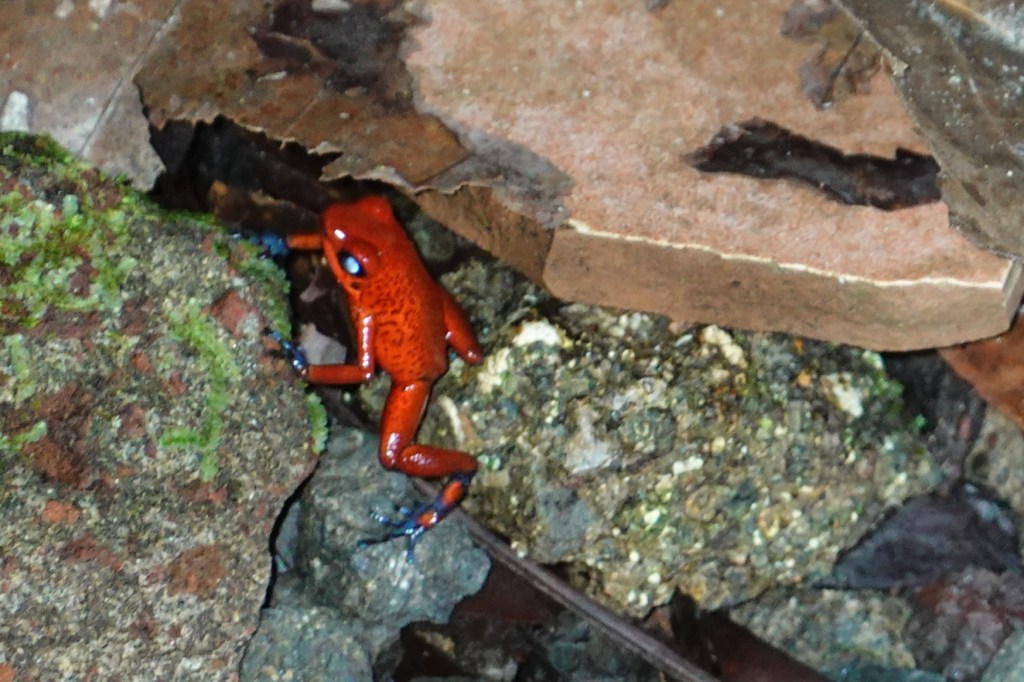
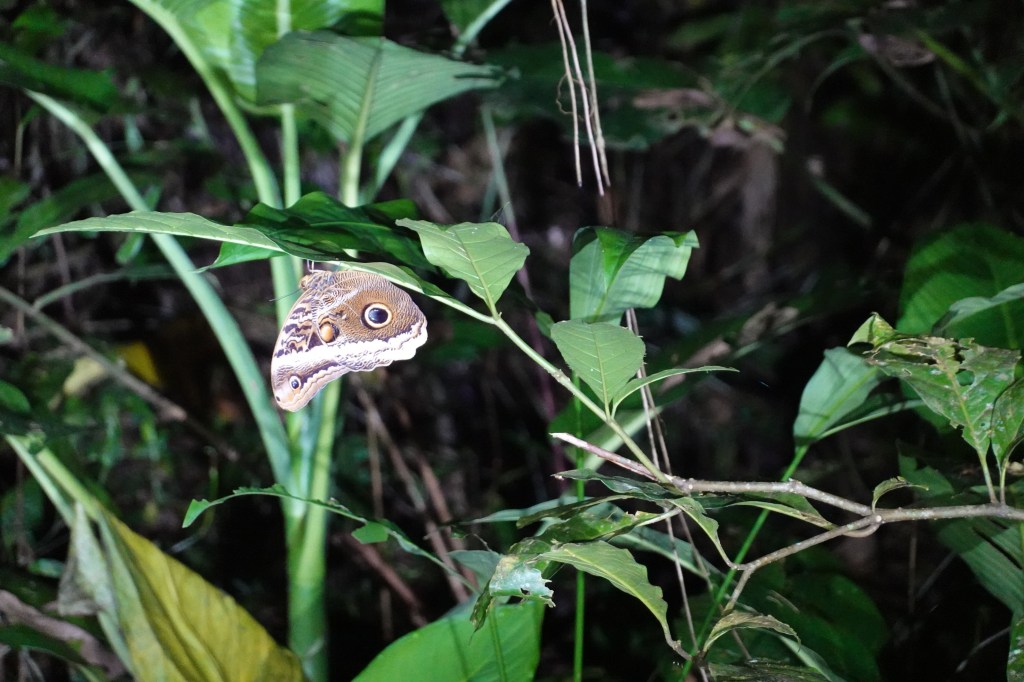
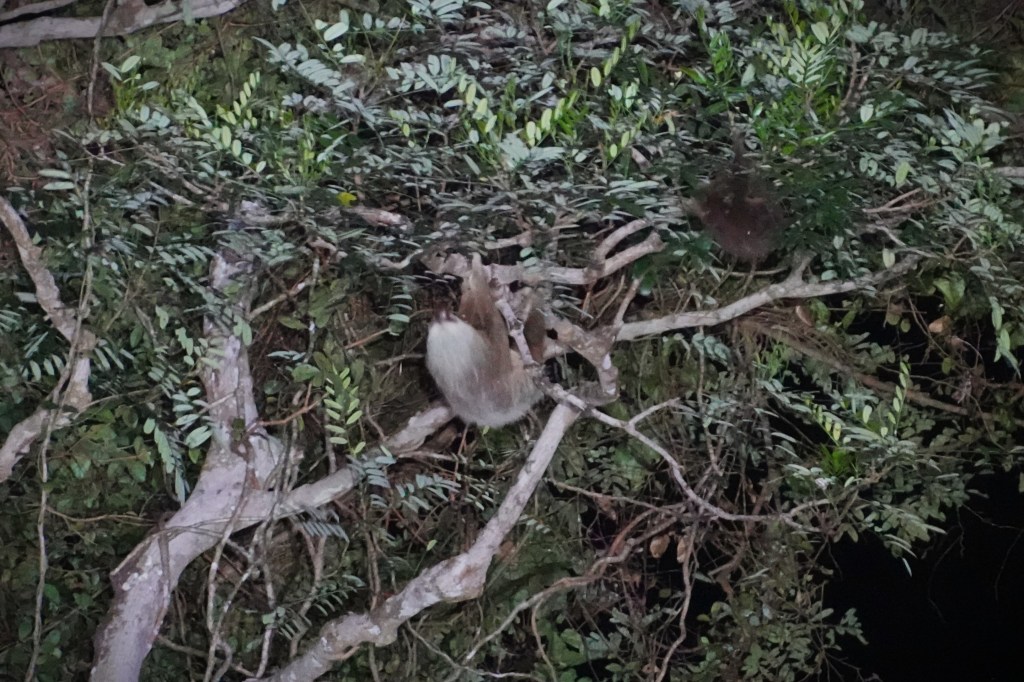
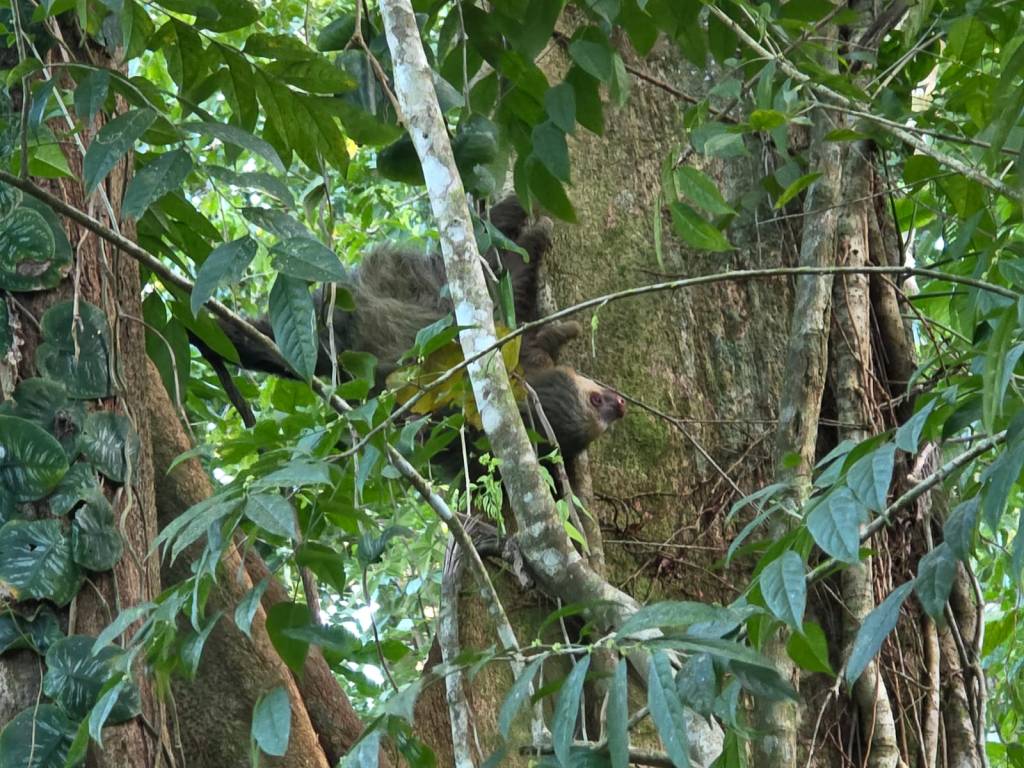
On our final night at Tortuguero, we went onto some trails behind our accommodations, with a guide, to see and hear some night time animals native to the area. We spotted tiny ‘strawberry’ frogs, a huge sleeping butterfly, heard the cat-like calls of black and white owls (Matt was even sharp eyed enough to see one!) and I managed to spot a sloth in the treetops too.
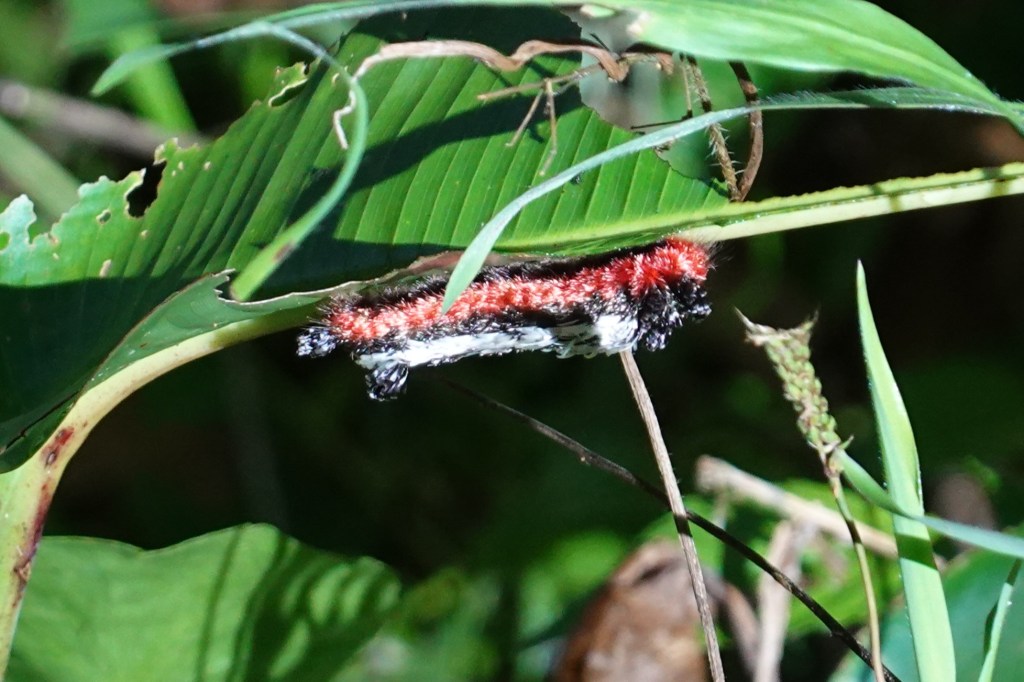
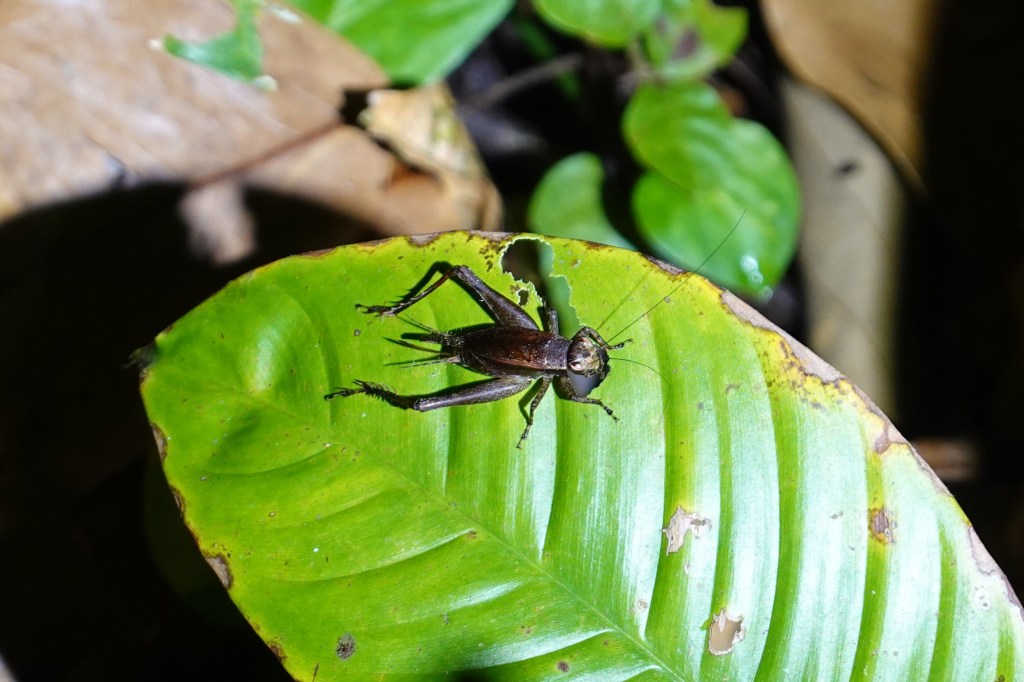
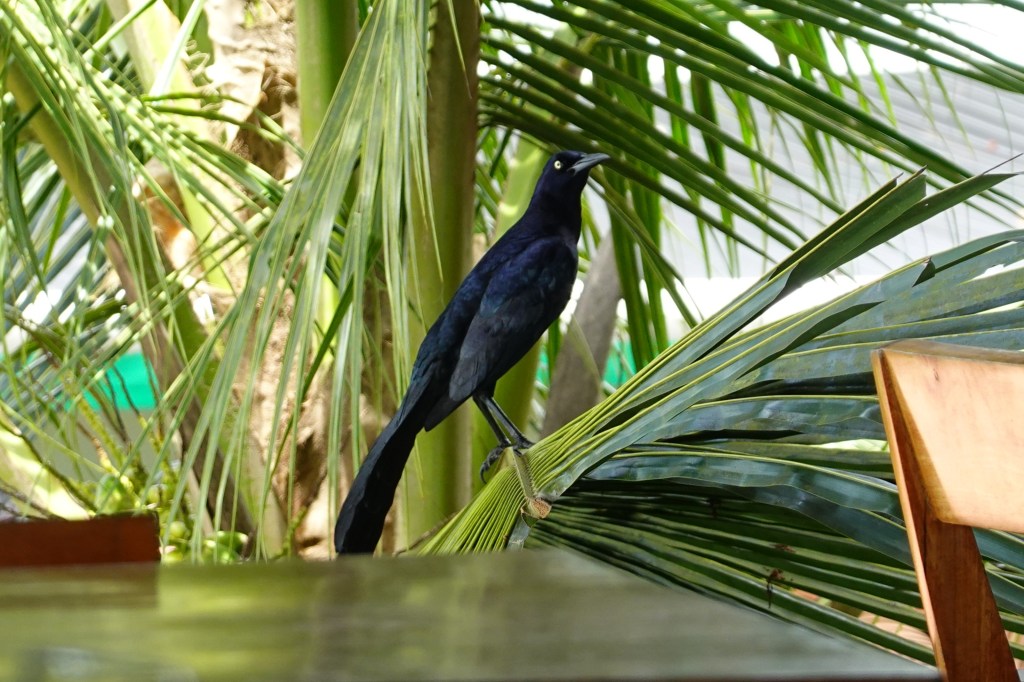
Today, we spotted a few more animals before we took the transport from our riverside lodge back to our car, before heading back west towards the Arenal volcano, where we’re staying in the tourist hub of La Fortuna. Tomorrow, we’ll be kayaking and taking a tour of the iconic hanging bridges!
Iris
 Two for the Road
Leave a comment