Arriving to our accommodation in Kyoto, my husband’s first reaction was delight, as we have been blessed with a lofty ceiling and standard height doorframes! We’ll say less of the low cooker hood which left an egg on his head once the rest of the apartment lulled him into a false sense of security.
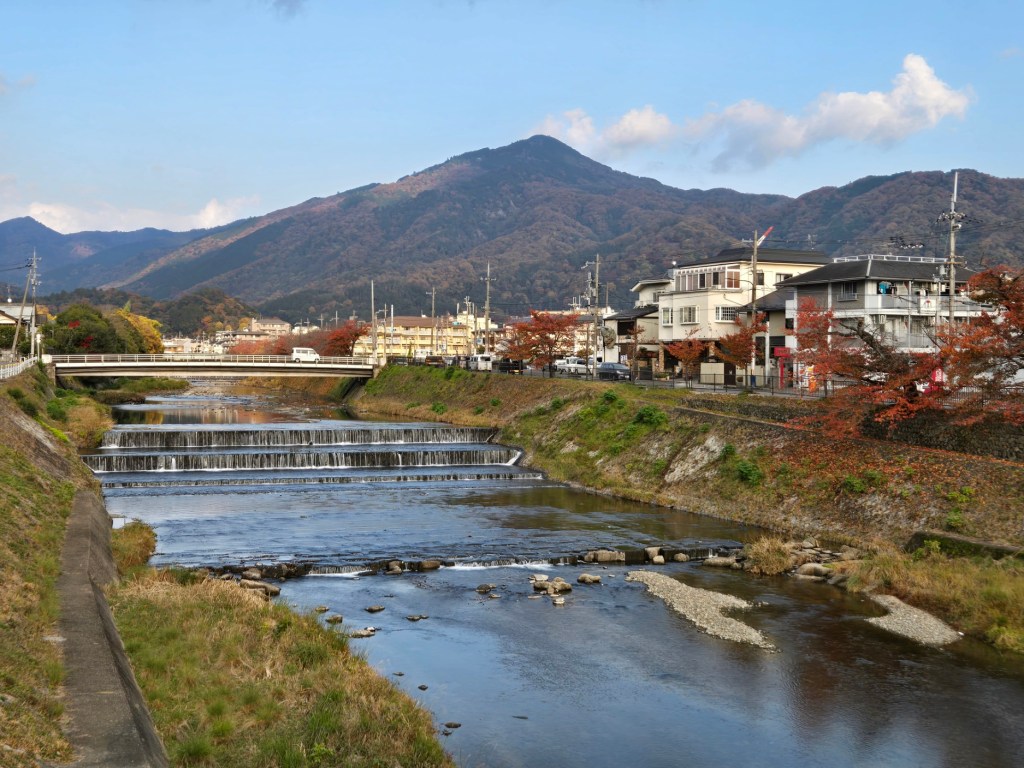
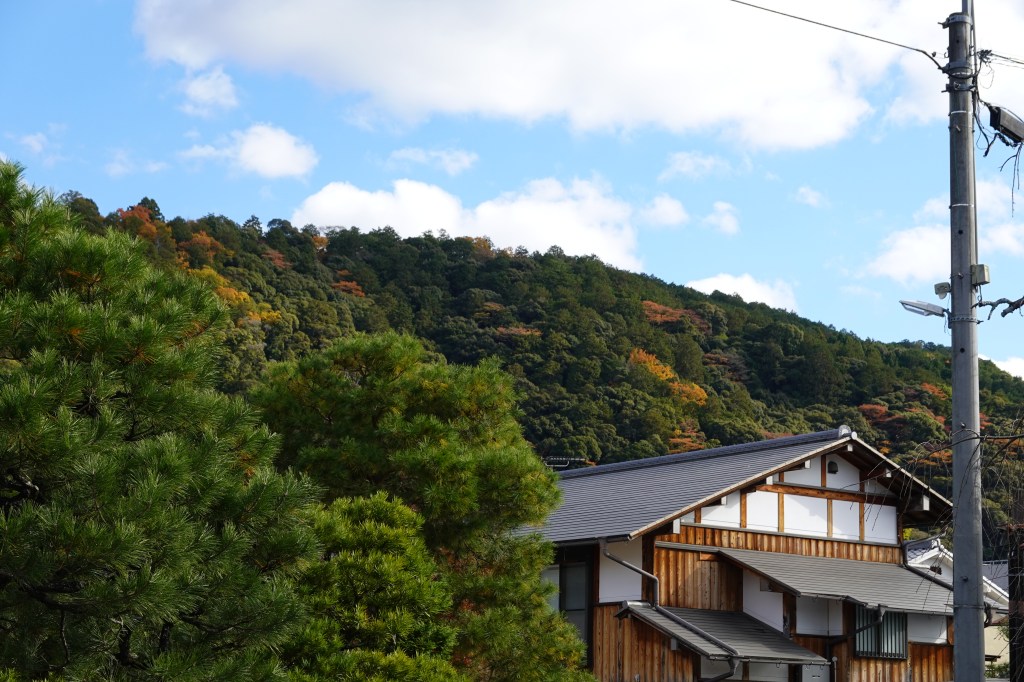
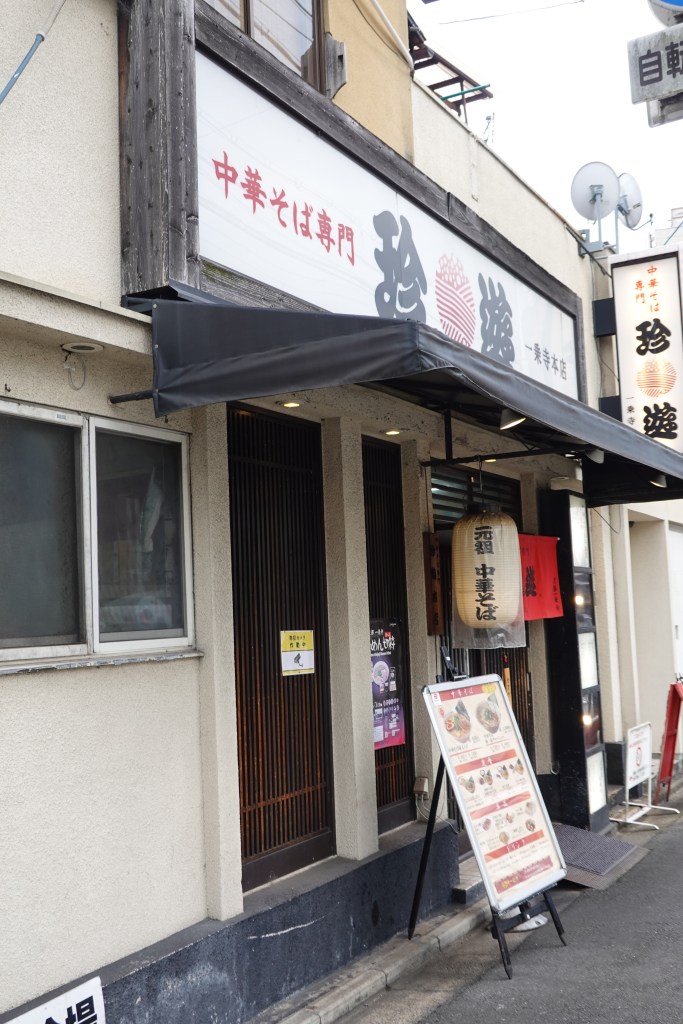
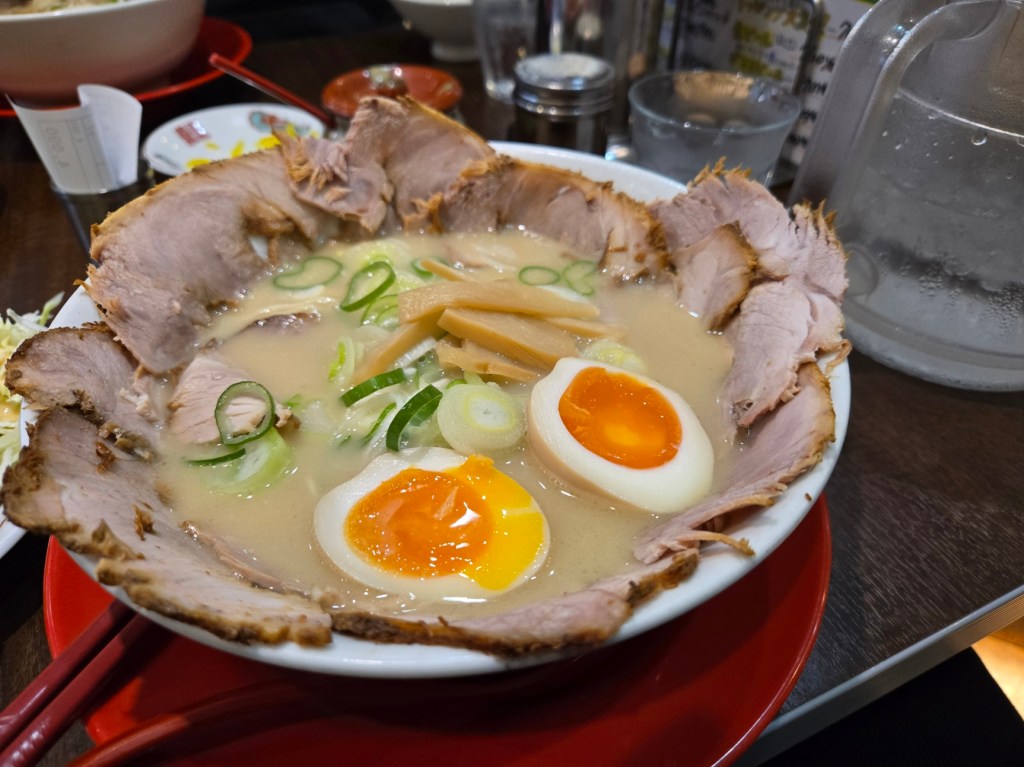
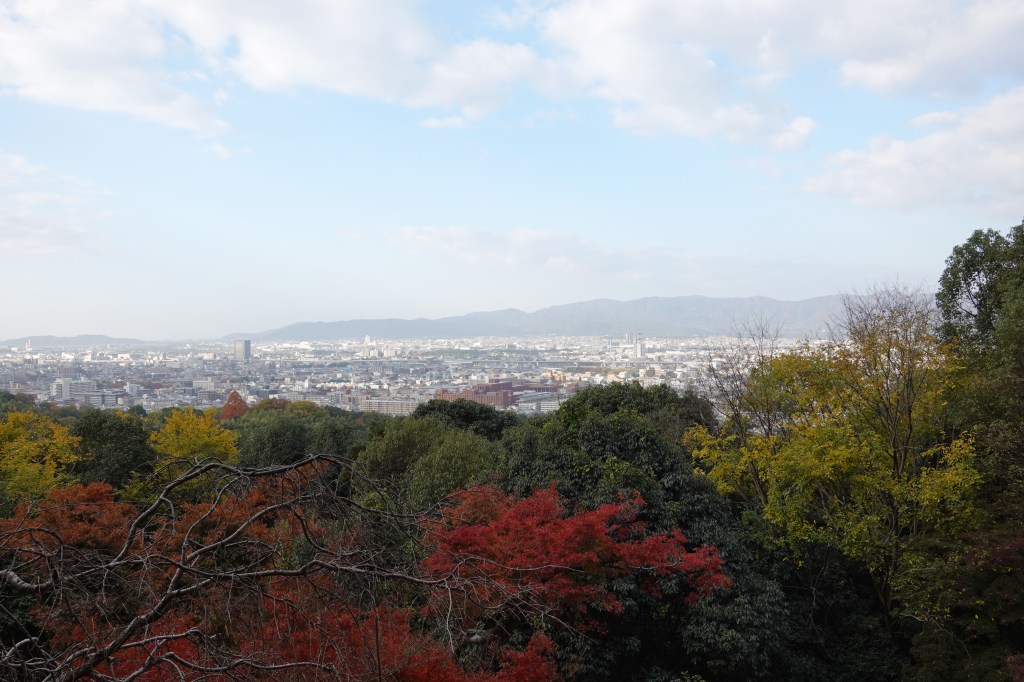
We’re staying in the Sakyo Ward area of Kyoto with beautiful views of tree covered hills providing a backdrop to an area famous for its ramen, which we swiftly sampled – it was incredible!
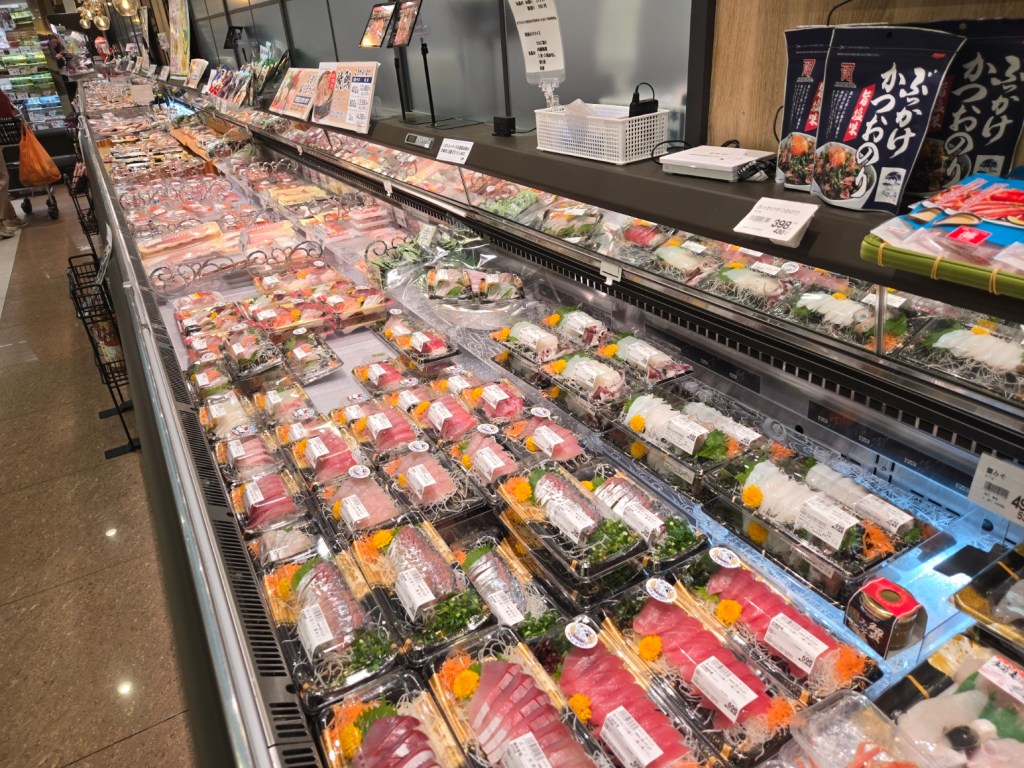
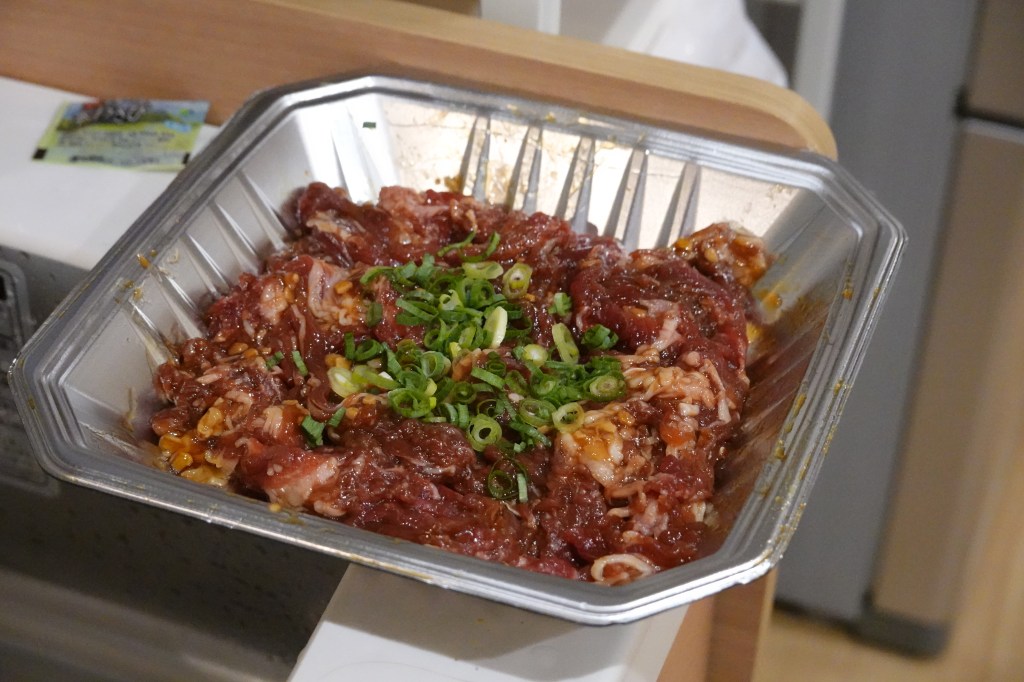
As we have five nights in Kyoto we then went to the local supermarket to stock up on some ingredients including some Japanese beef and of course, fresh sushi.


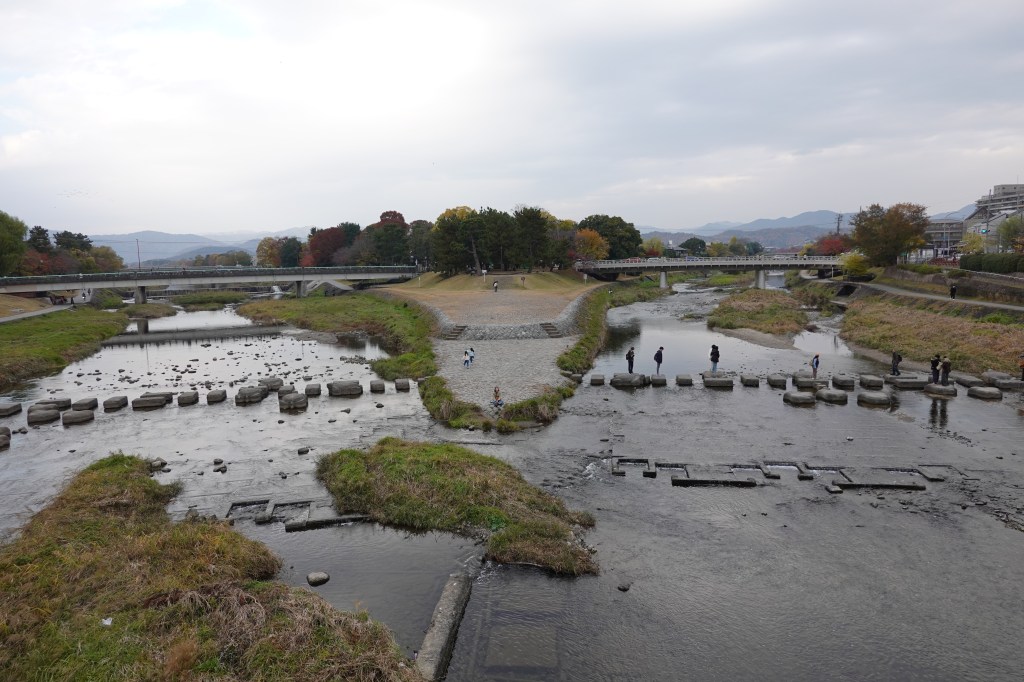
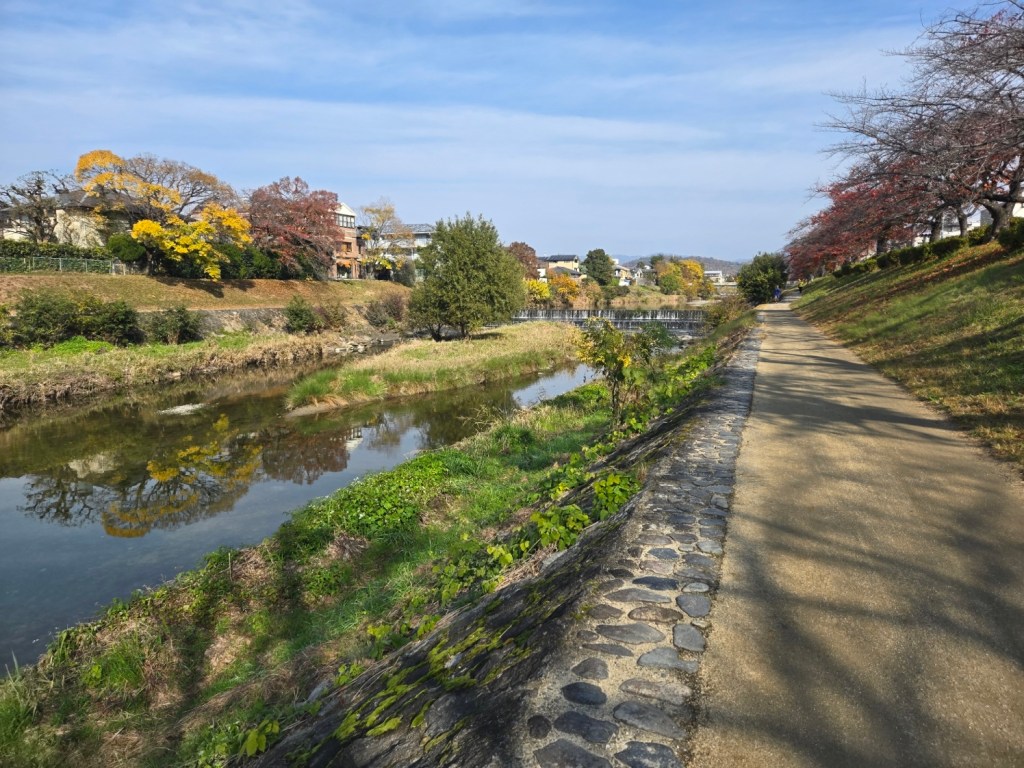
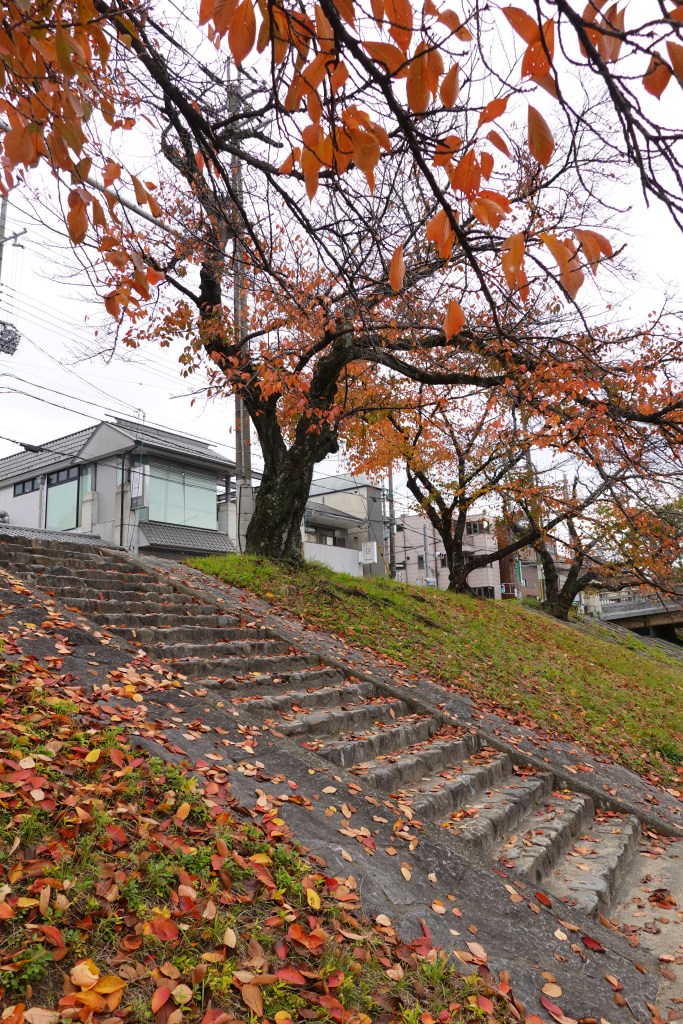
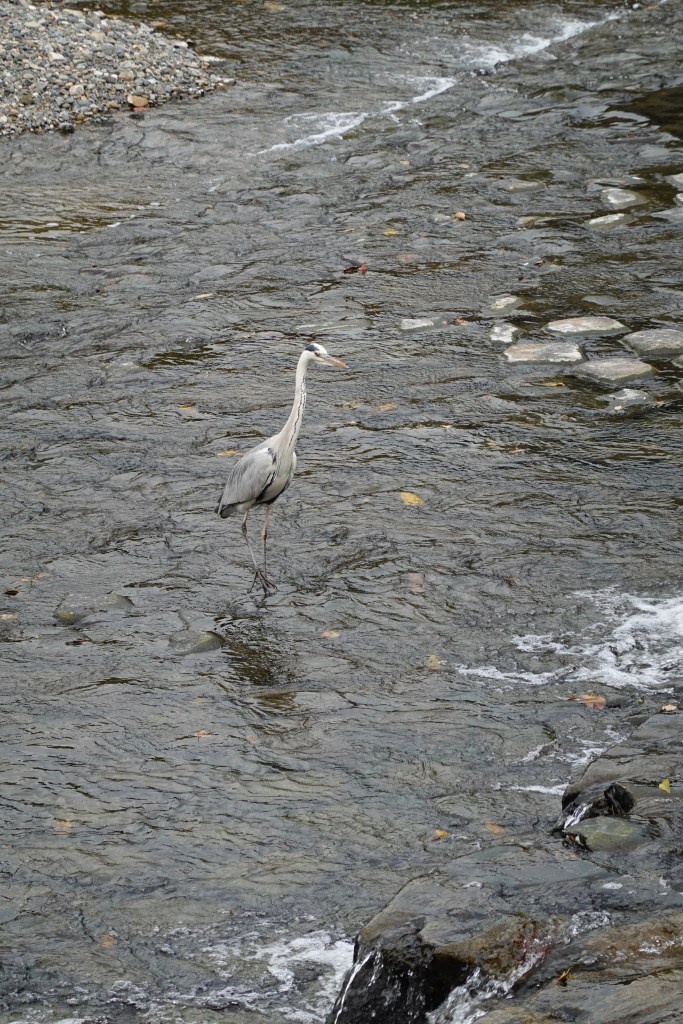
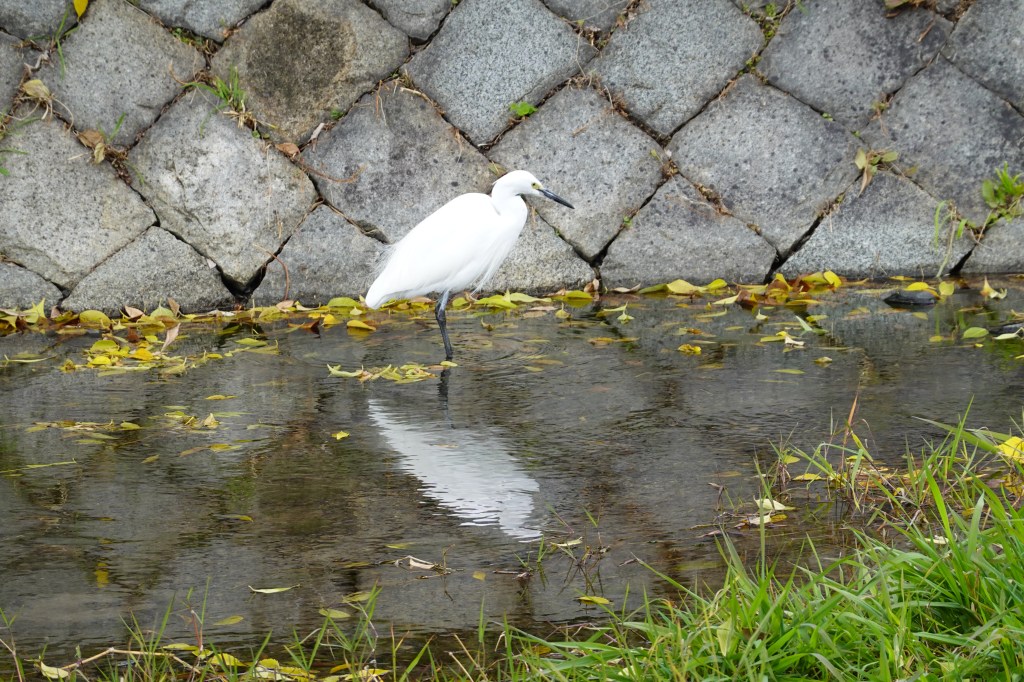
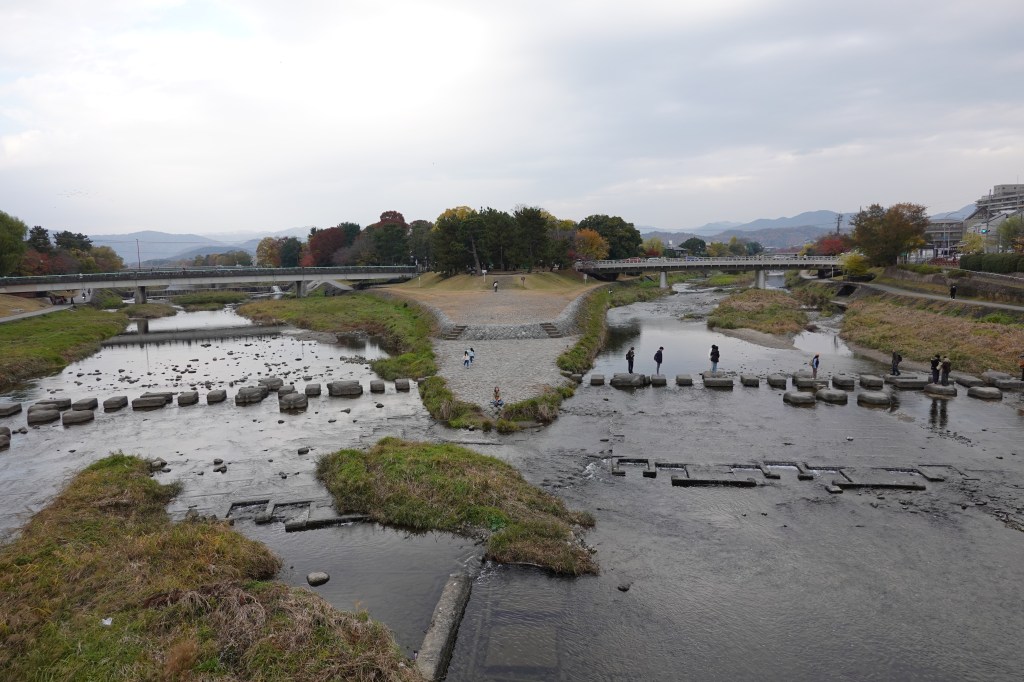
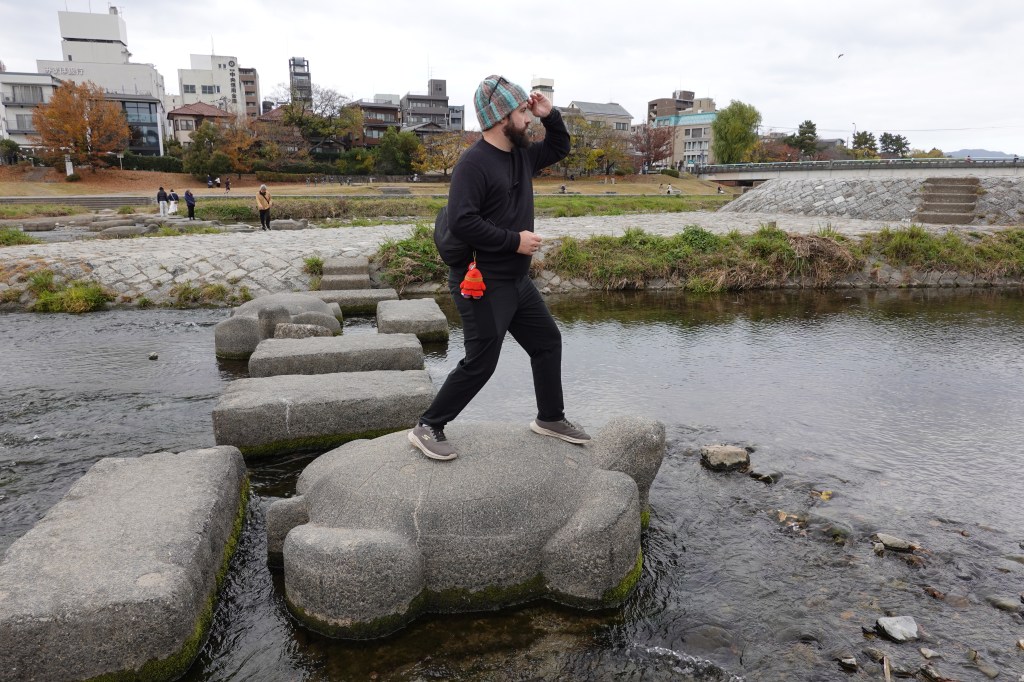
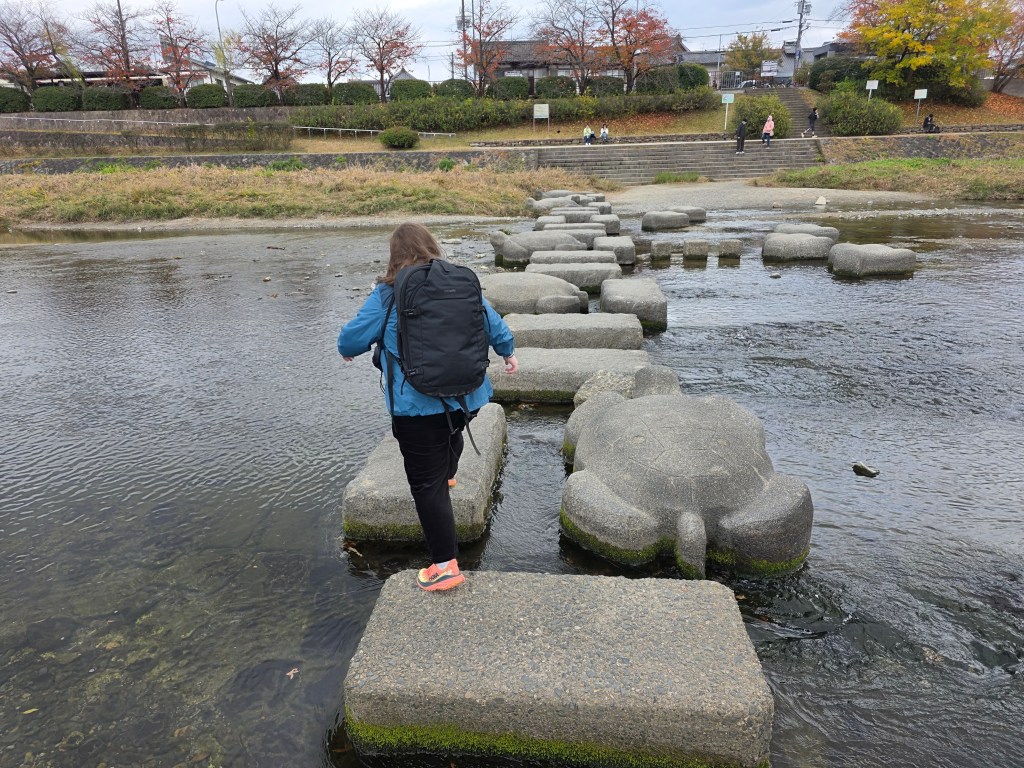
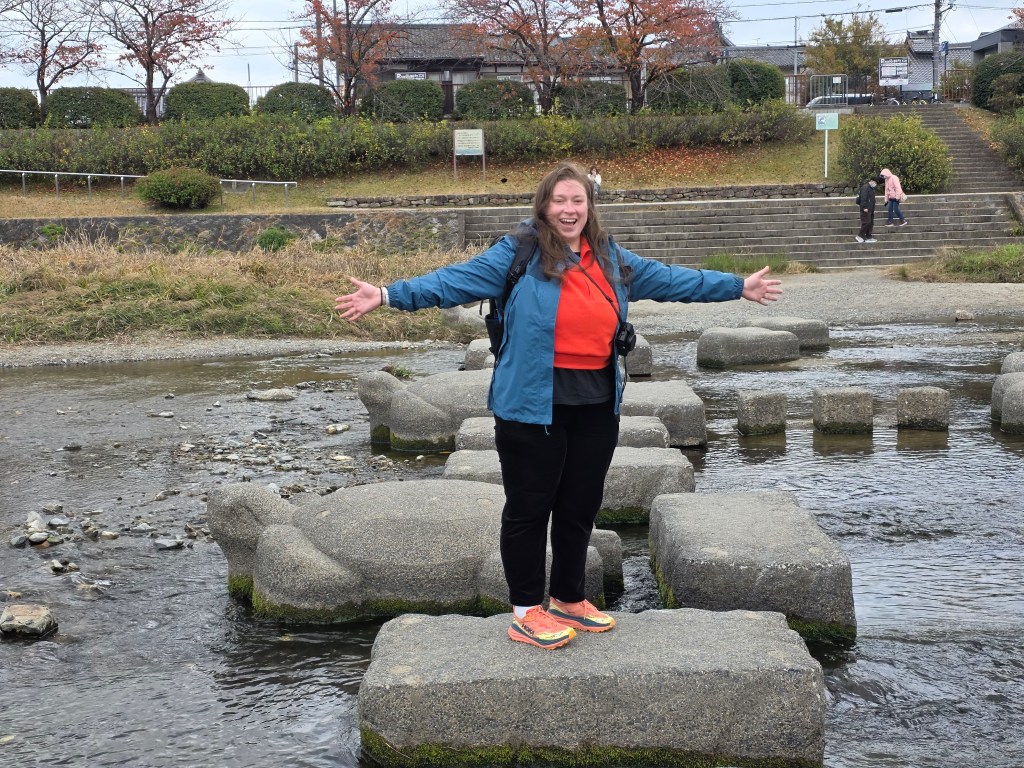
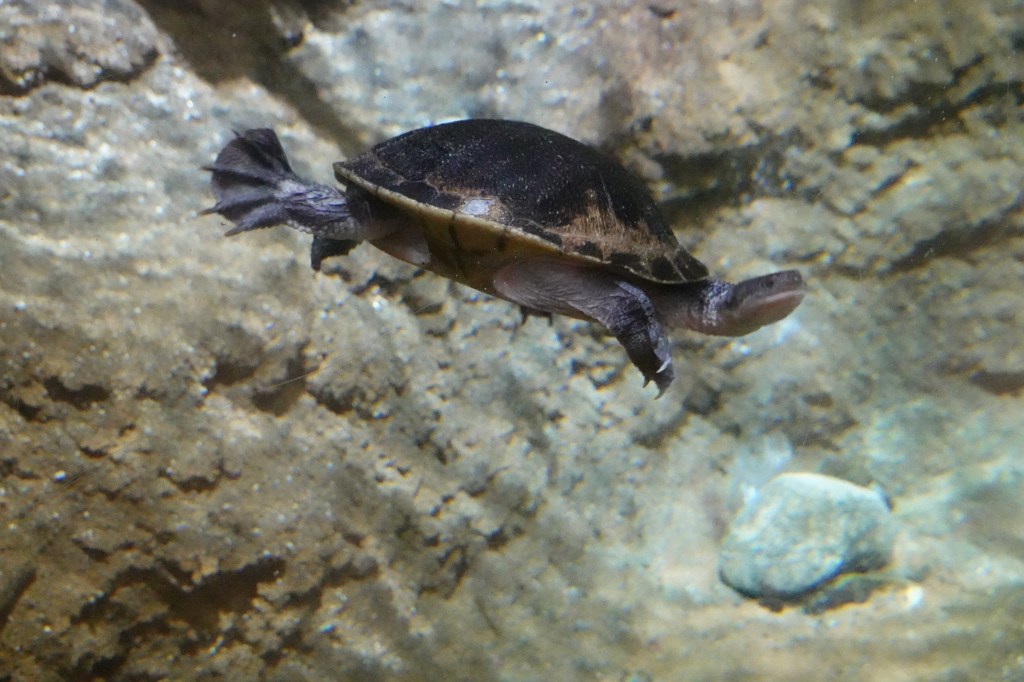
After a quiet first evening, on our first full day we ventured into the city walking around an hour along the scenic footpath beside the Takano River as it joins with the larger Kano River. This route has featured every day in our itinerary in Kyoto, as well as being beautiful, it also reminds us a bit of the Taff trail in Cardiff (although sadly Cardiff doesn’t have turtle stepping stones to cross the river in its counterpart).
While in Kyoto, and between our visits to the riverside, we’ve hit up a few sights. Here’s our take on each:
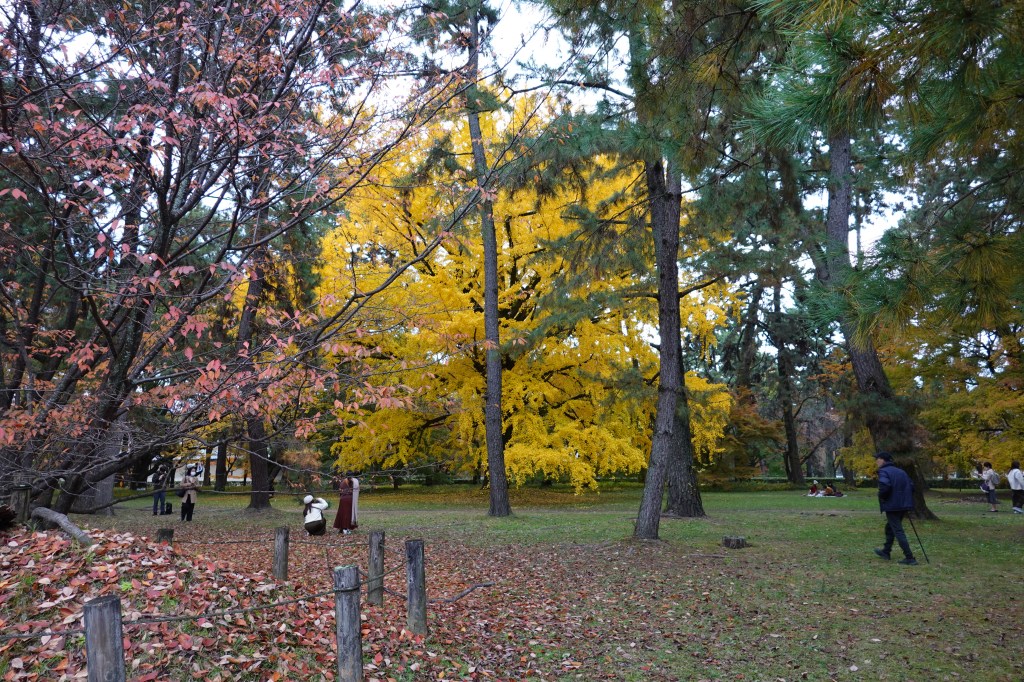
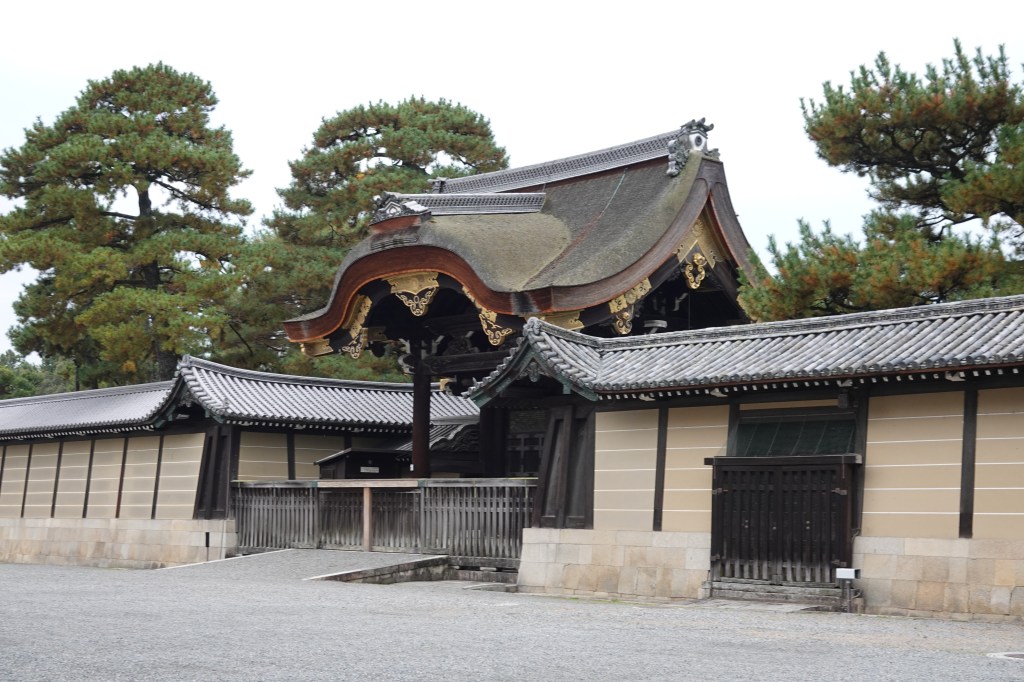
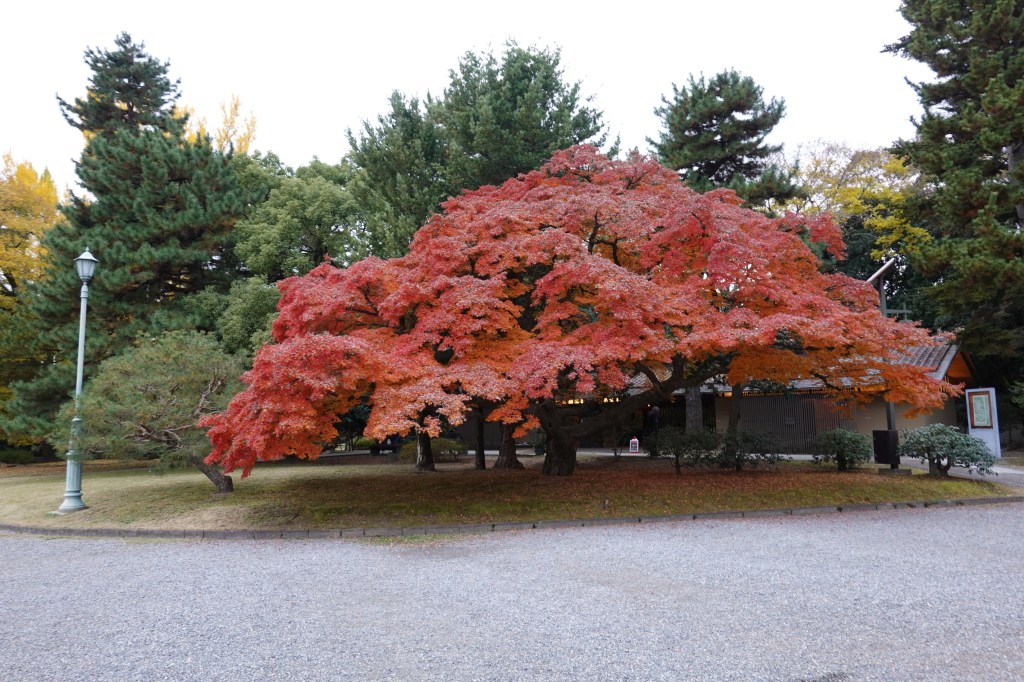
Imperial Palace (and it’s gardens) – definitely worth a visit, it’s free and a great way to learn a bit about history and culture and the gardens are lovely.

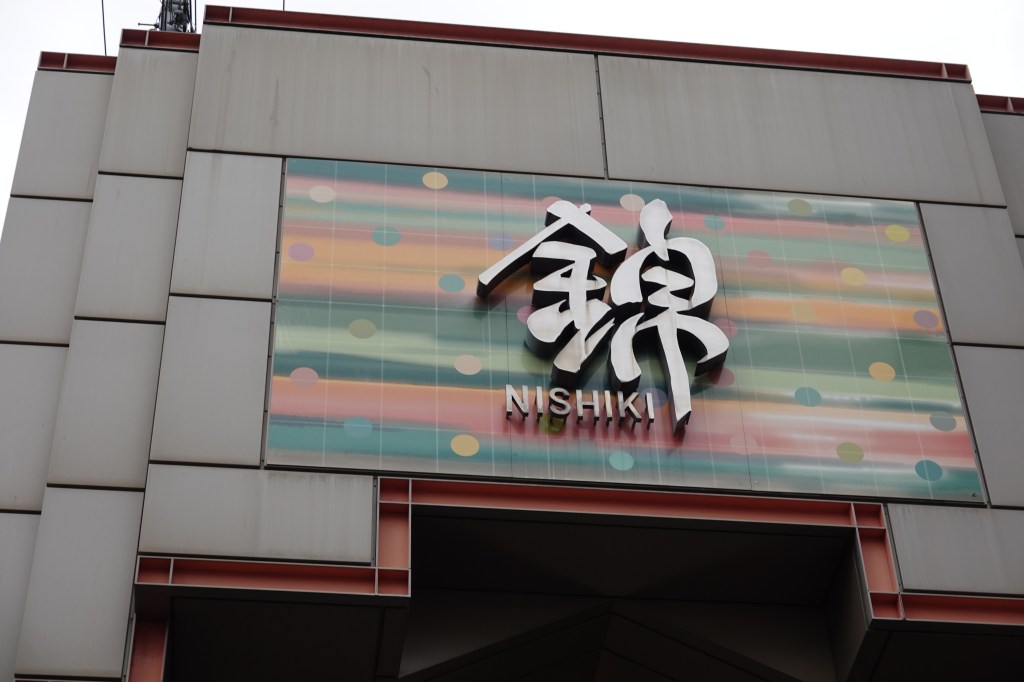
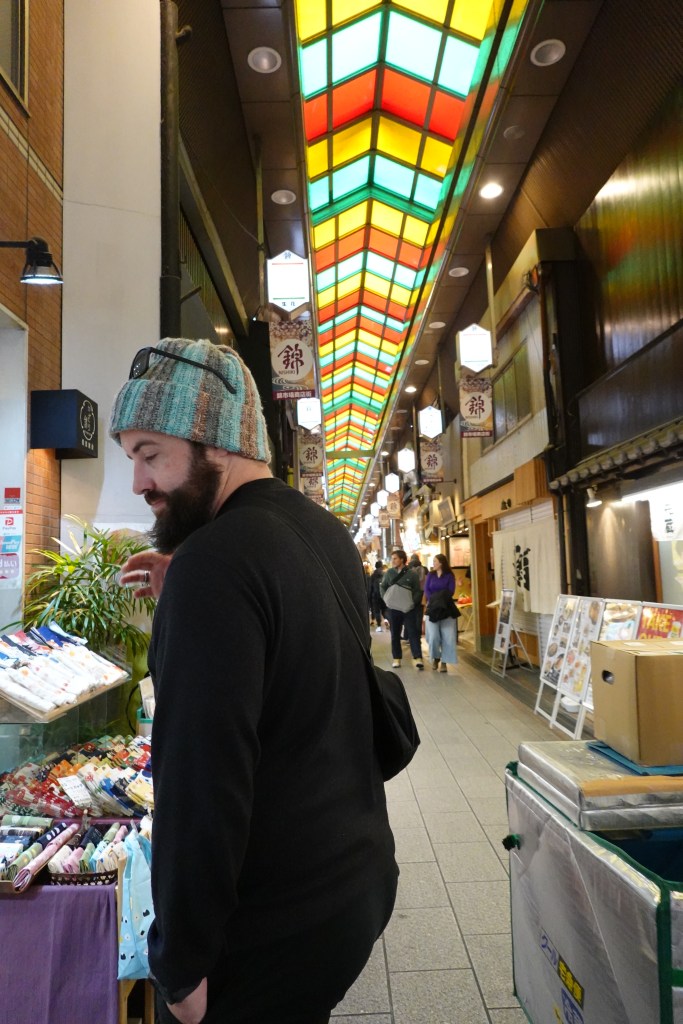
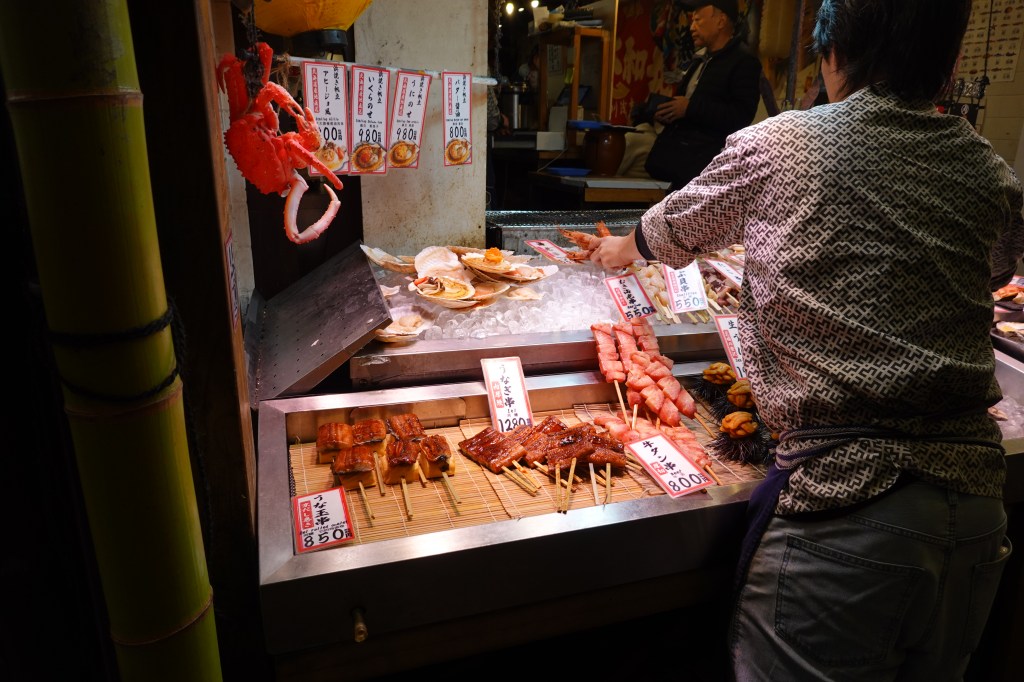
Nishiki Market – being on a budget we had a packed lunch, but you could eat your way through this indoor market over the course of a couple of hours and even without spending any money. It’s worth a stroll through!
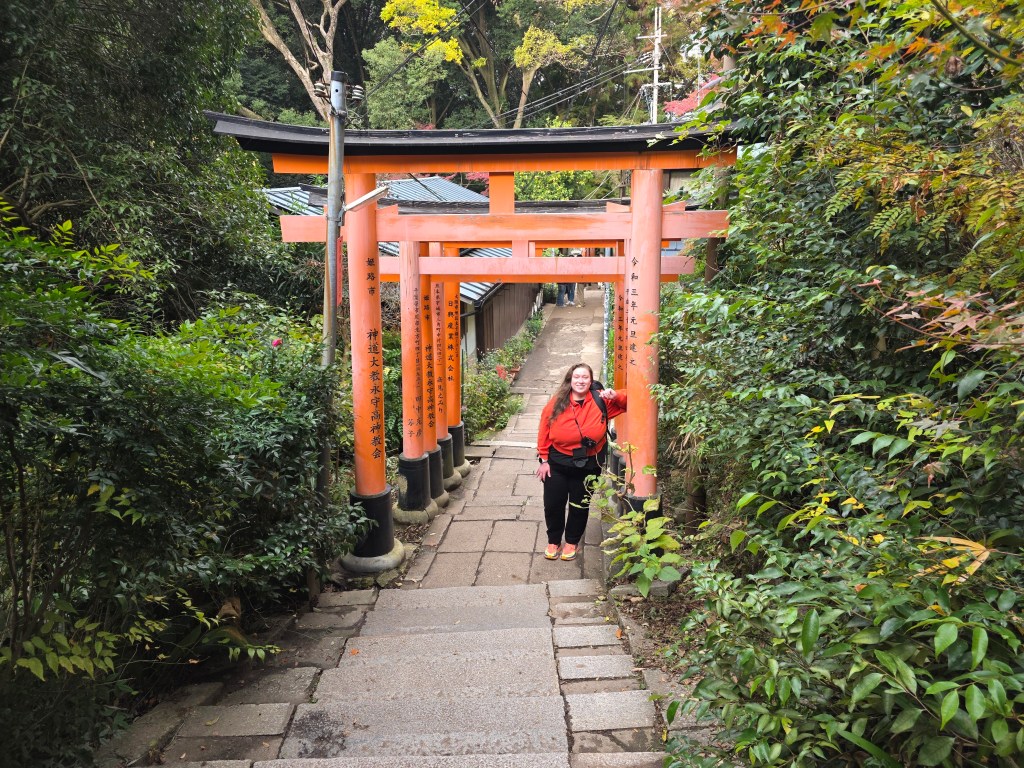
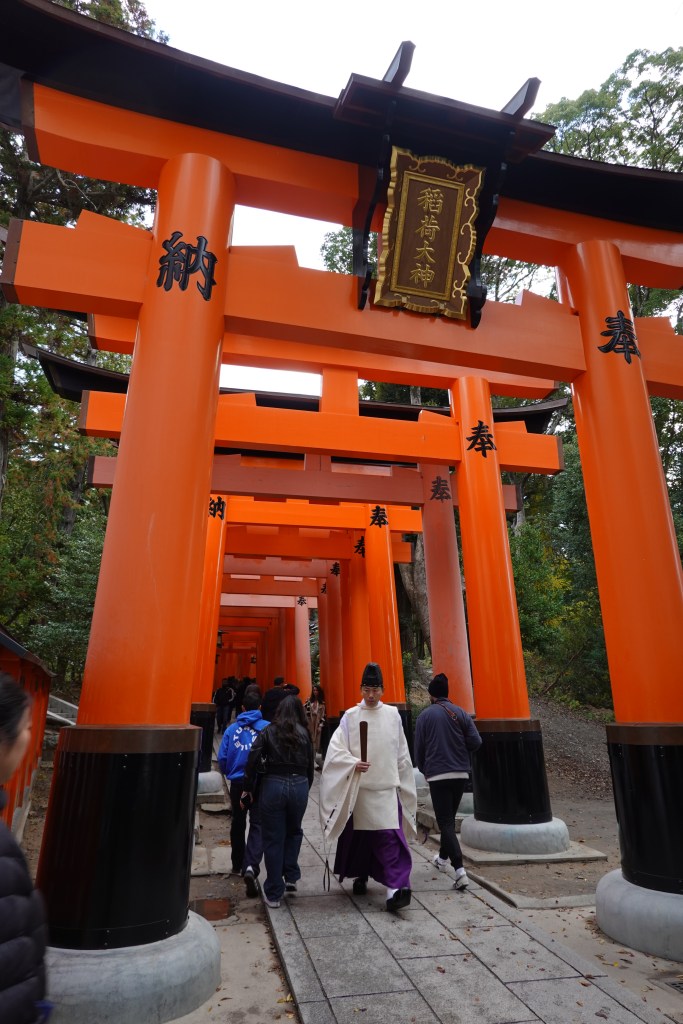
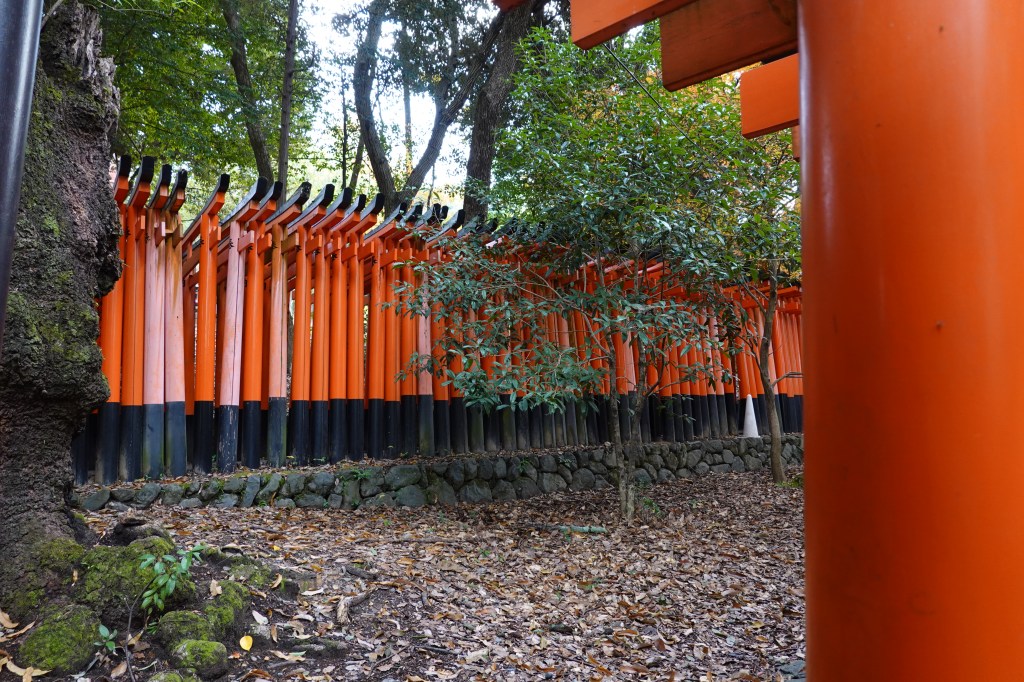
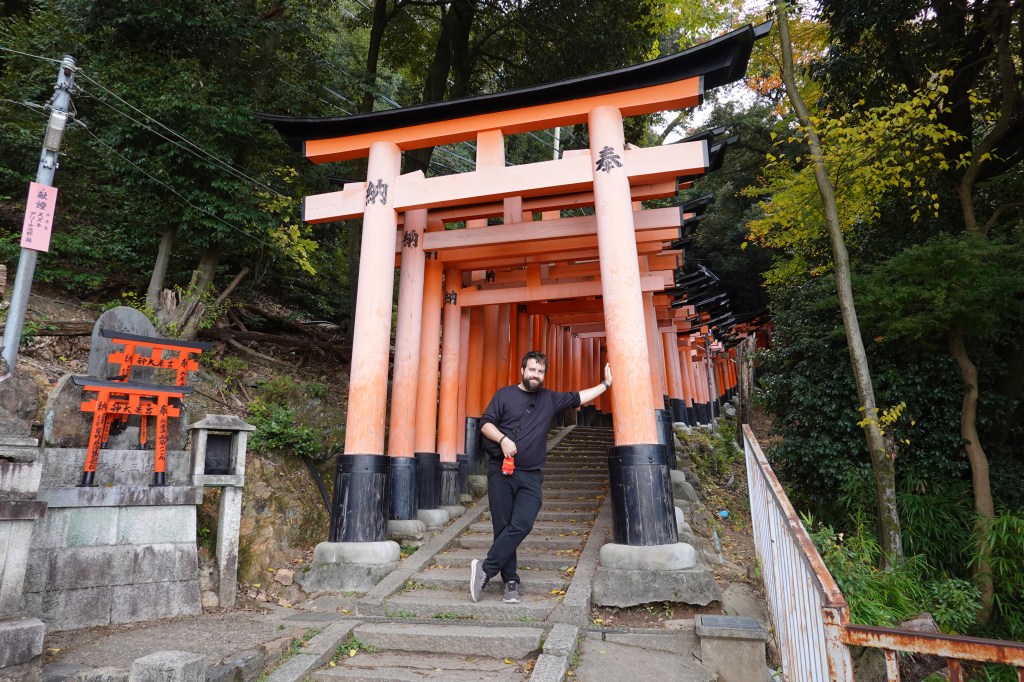
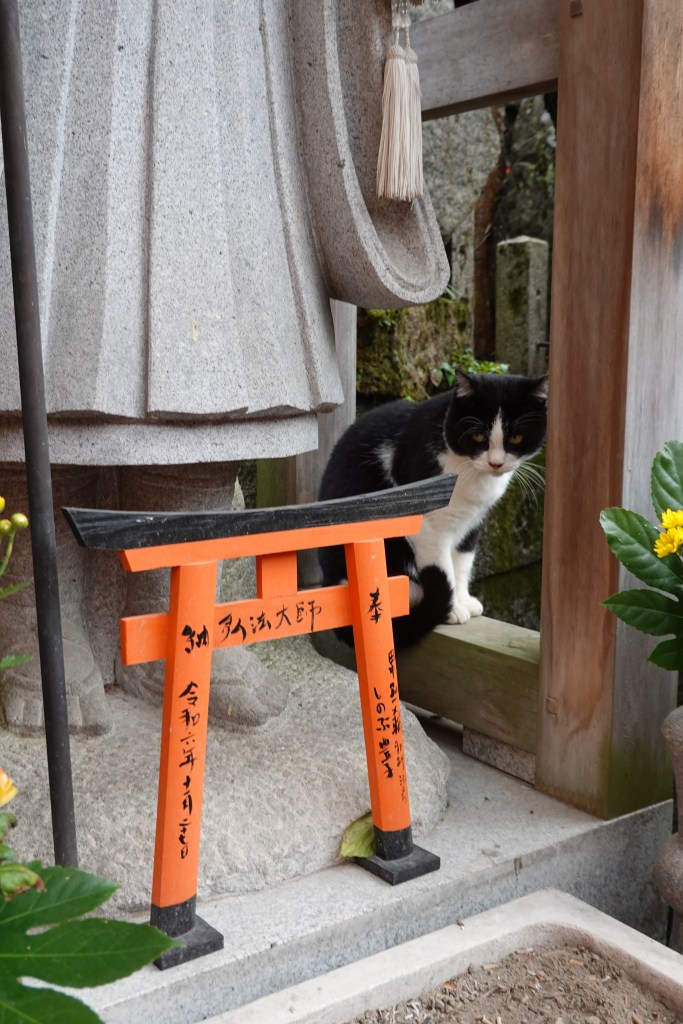
Fushimi Inari Taisha/ Senbon Torii (Thousand Gate temple) – we thought it was a bit of a tourist hellhole. Despite getting there for 8am, it was already busy, full of “influencers” queueing up to get the perfect “candid” photo/ video. We walked up the mountain a bit to where it was quieter and took the path back away from the gated path to escape the throngs. Fresh from Koyasan, we felt we’d had a similar but better experience there, the thousands of gates are stunning but it’s so busy that the experience was a little marred.
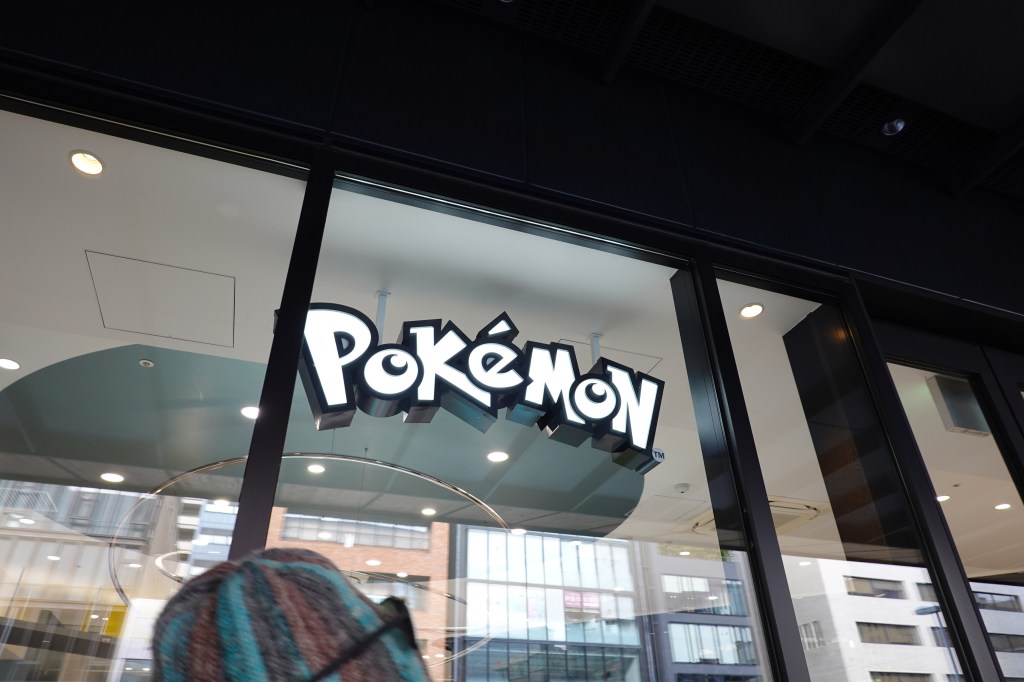
Pokémon Centre – For us both (admittedly Matt more than I) Pokémon was a part of our childhood and if you’re the same, this store in the shopping district is worth a visit.


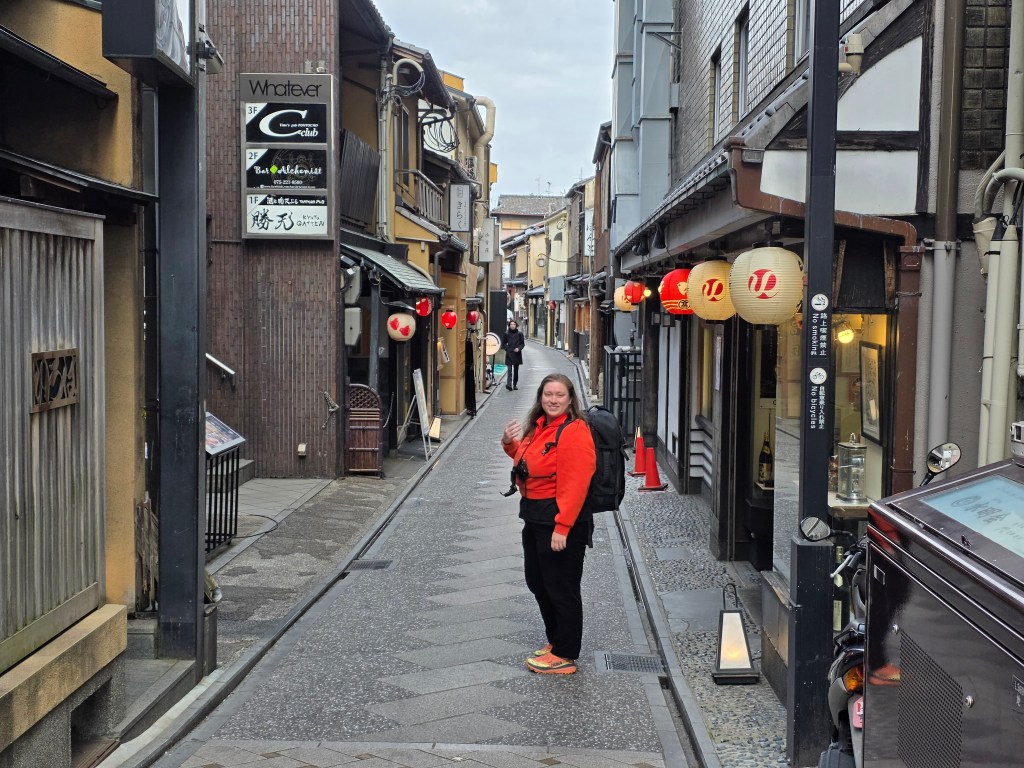
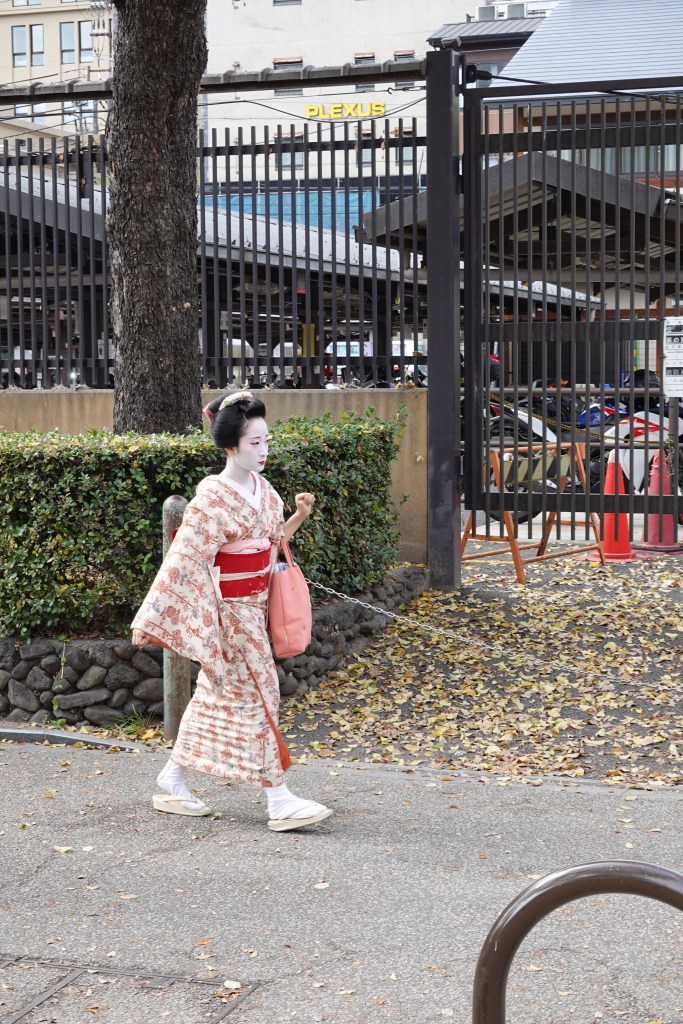
Pontocho Alley – in the historical area of Gion, this narrow alley hosts bars, restaurants, and with the chance of a glimpse of a Geisha it’s certainly worth a visit. We took our wander down here before most places were open for business, but we plan to go back to experience the evening atmosphere before we leave Kyoto.
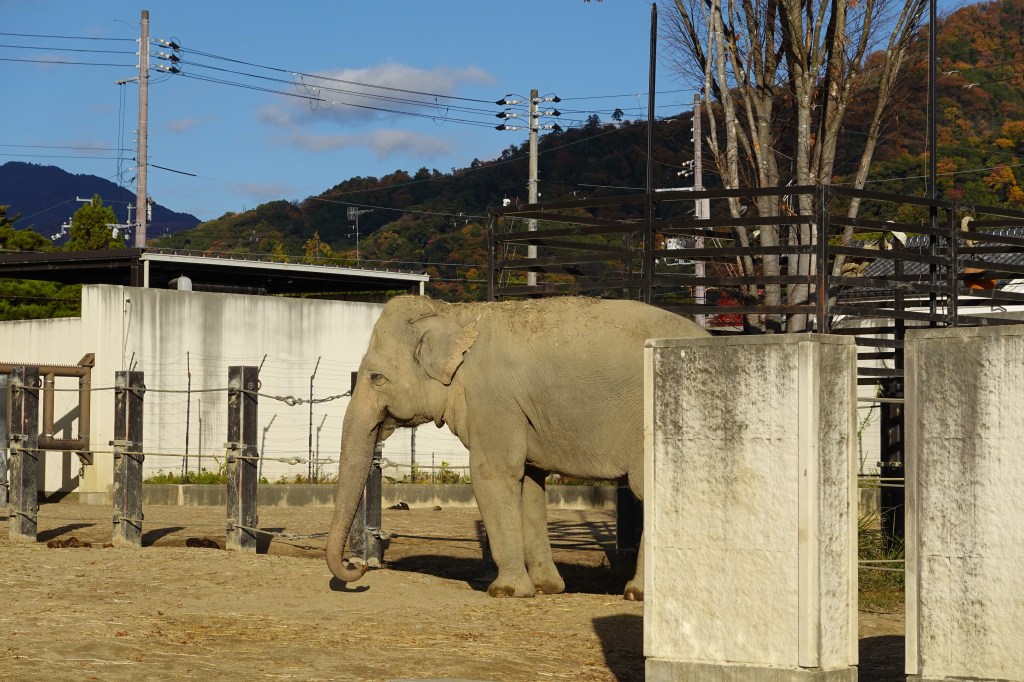
Kyoto City Zoo – quite a small zoo, but we popped in for a wonder on a bit of a whim, and if you’re in the vicinity, it’s worth an hour or two and only costs about £3.50 to get in!
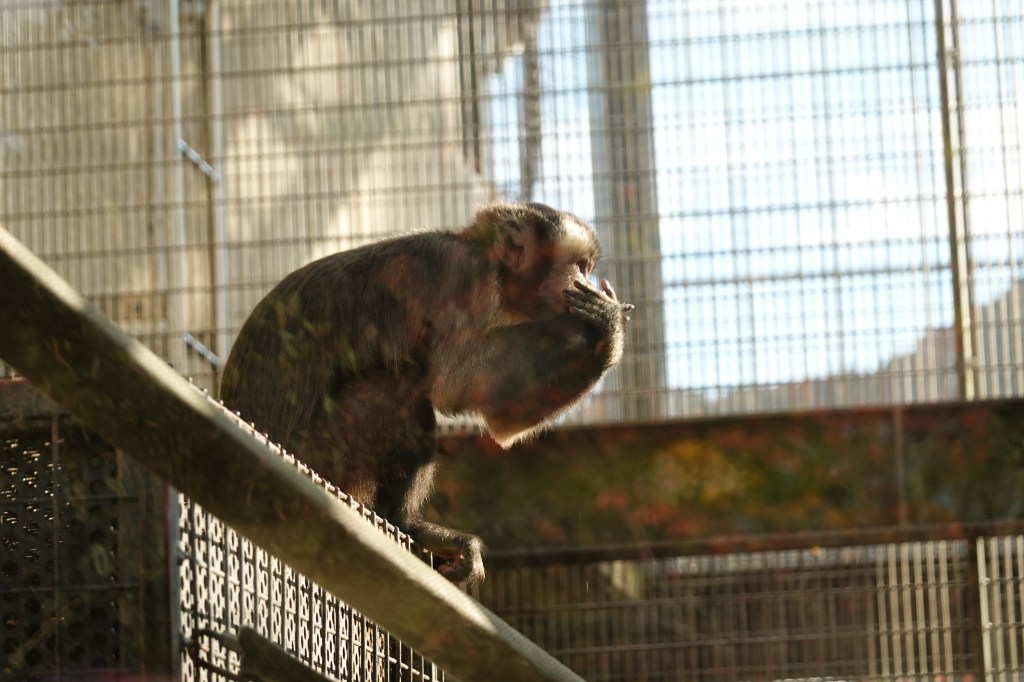
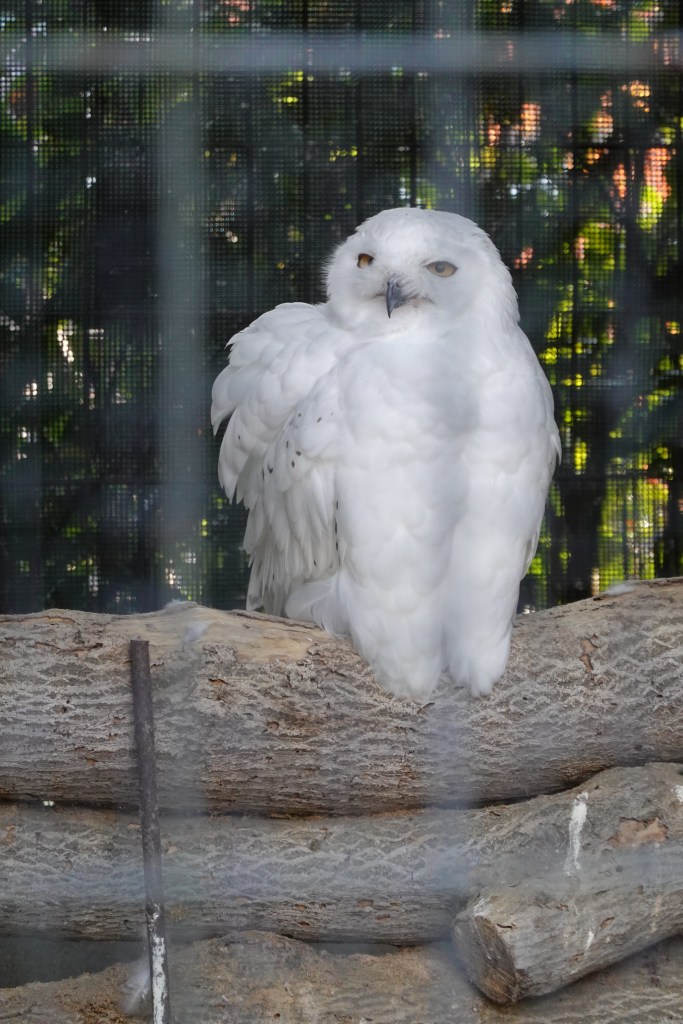
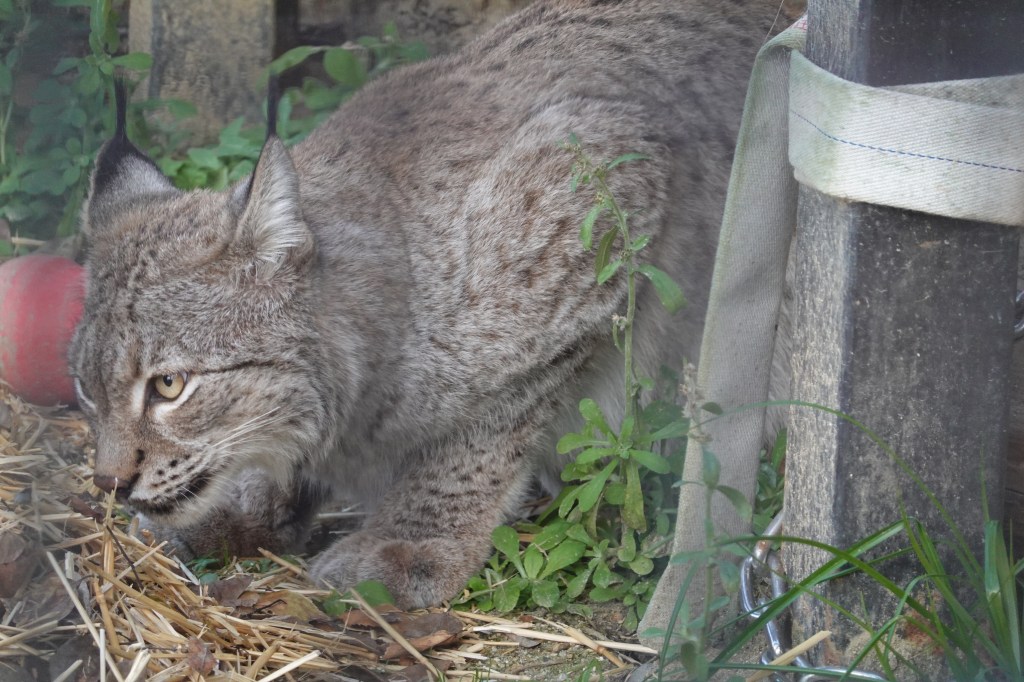
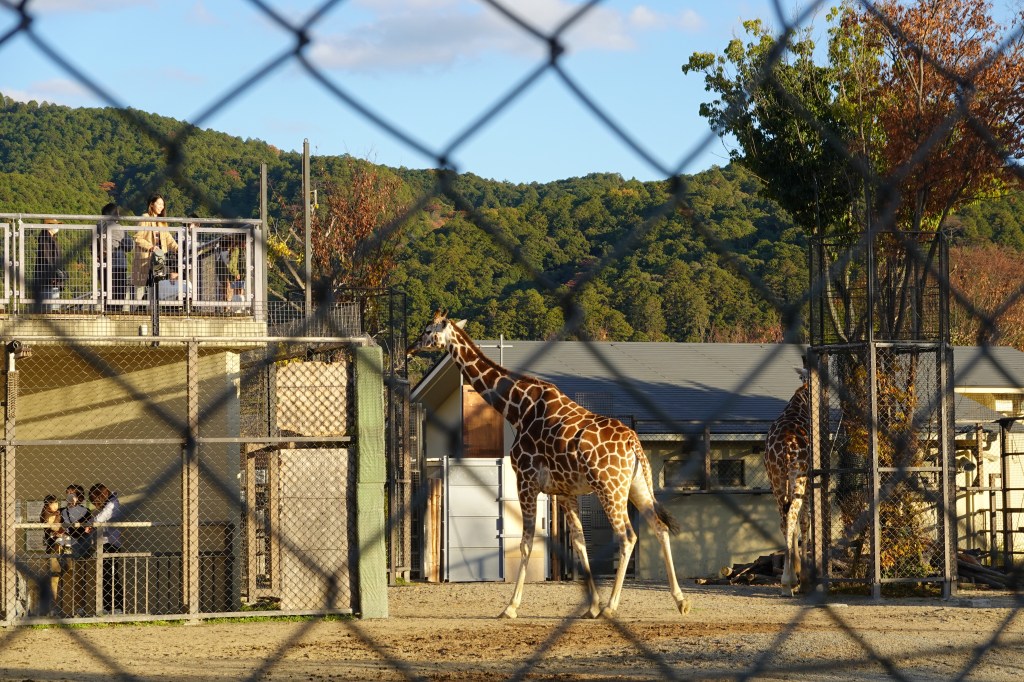
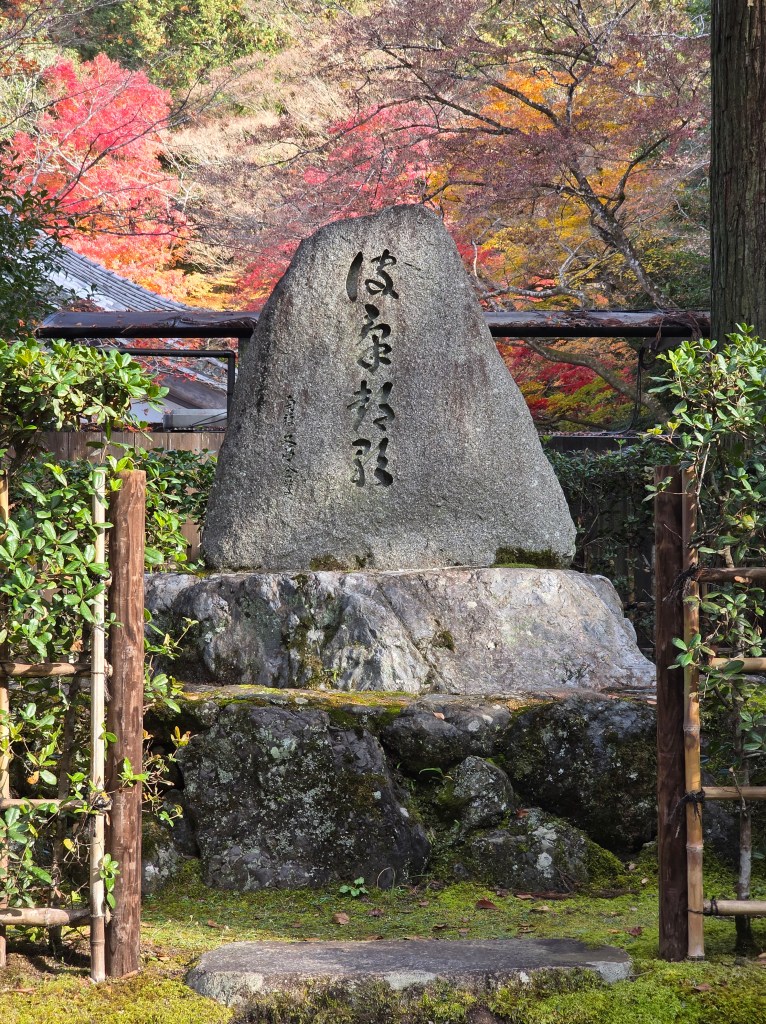
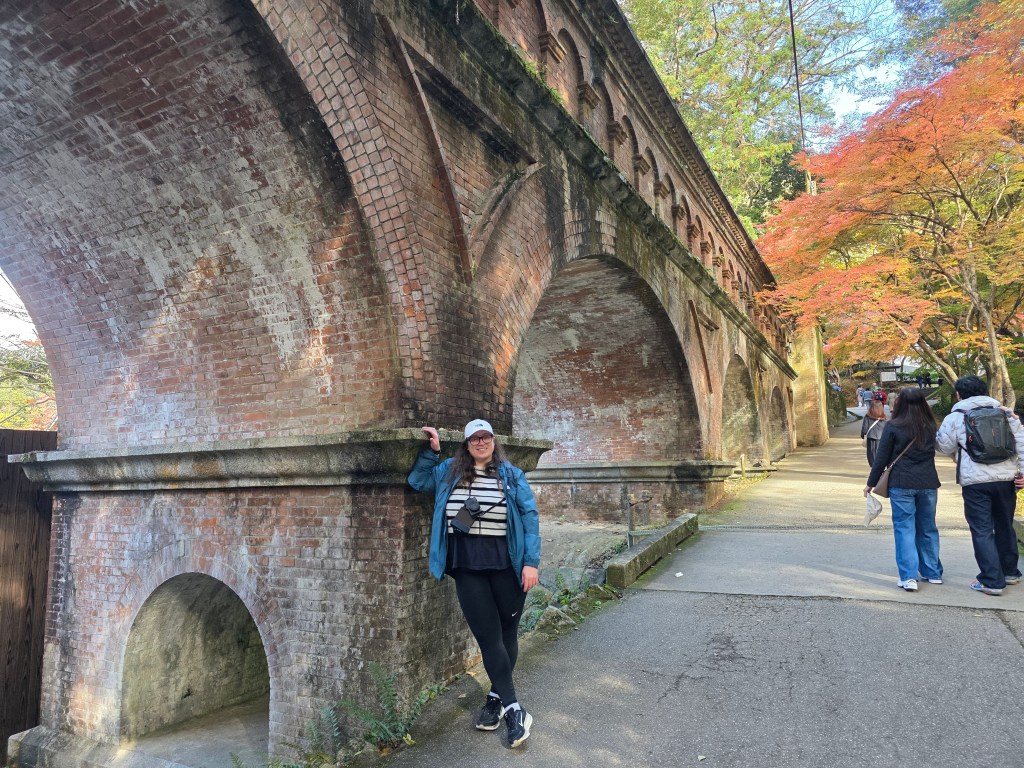
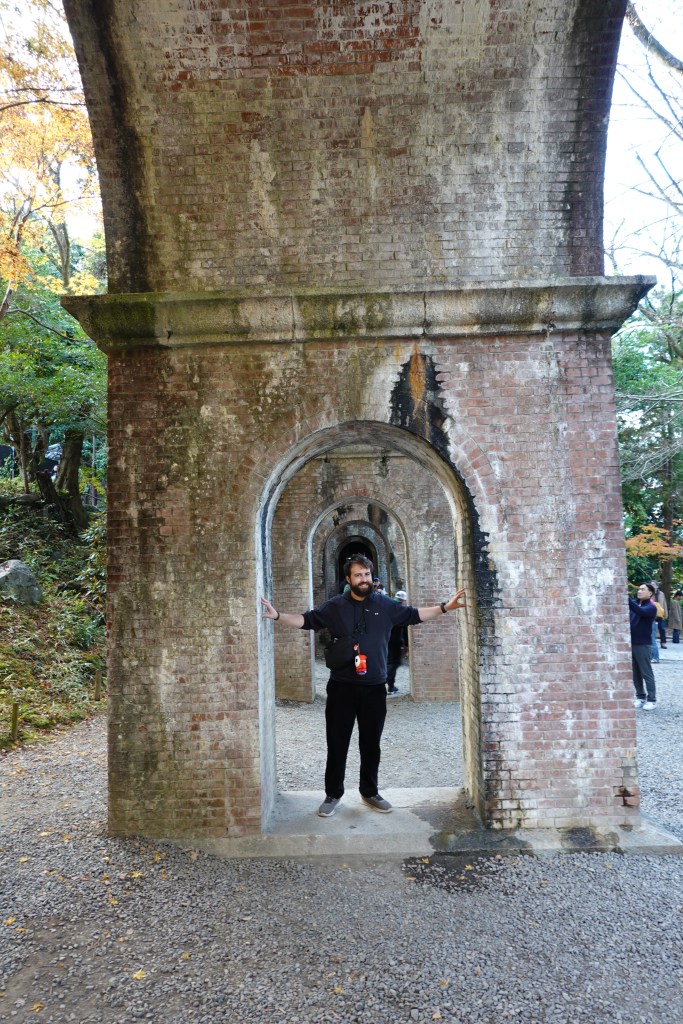
Nanzen-ji – a temple famous for its aqueduct. We didn’t pay the fee to go into the temple itself but the stroll in its grounds and a look at the aqueduct was cool.
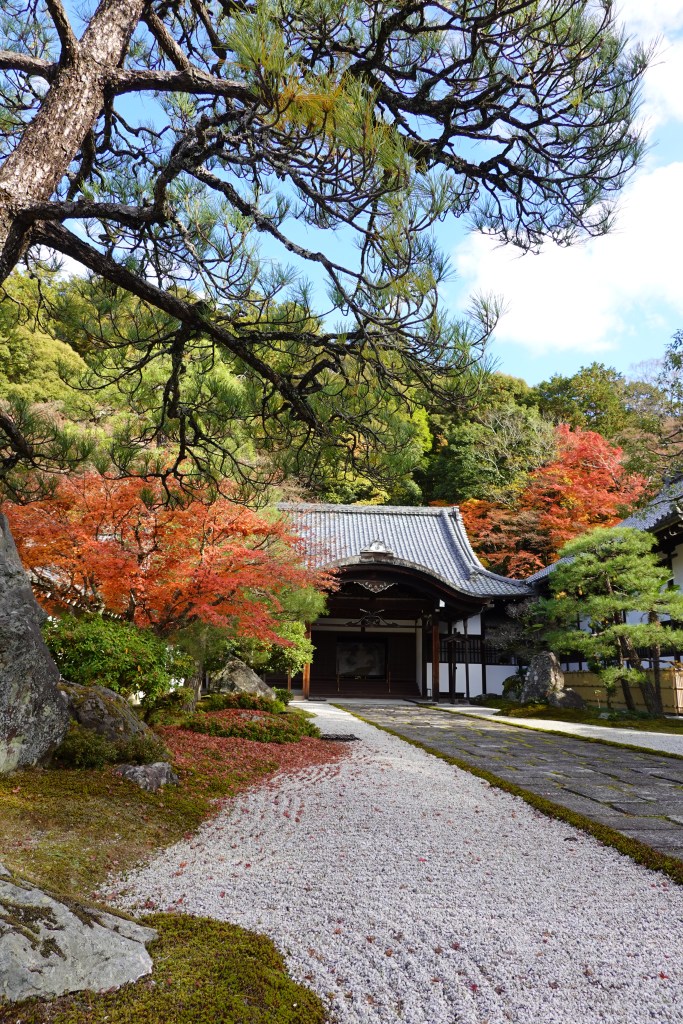
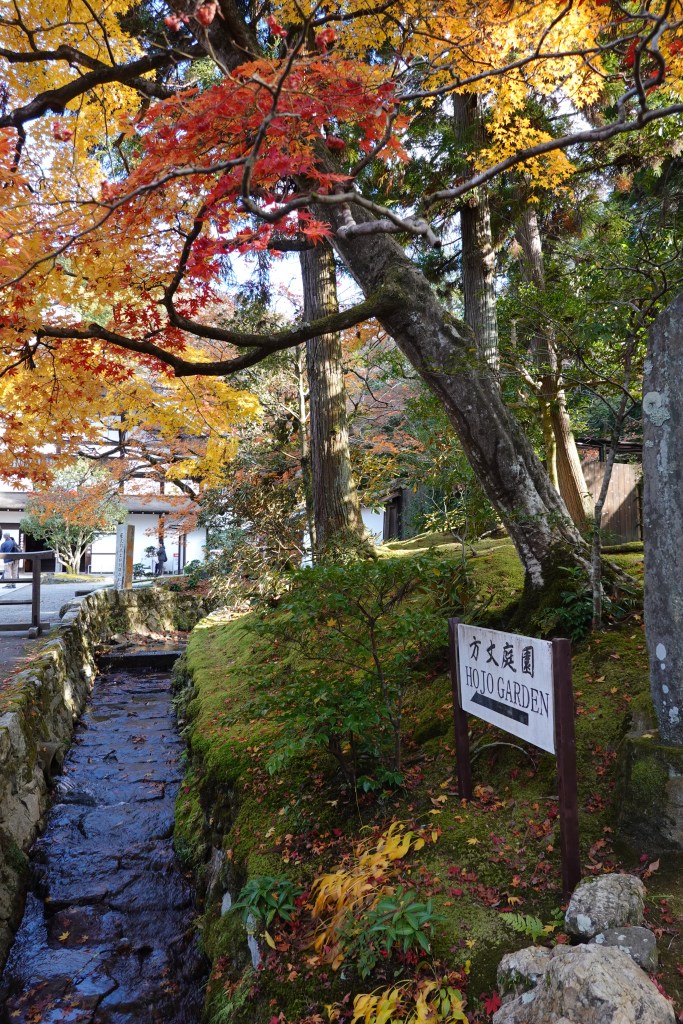
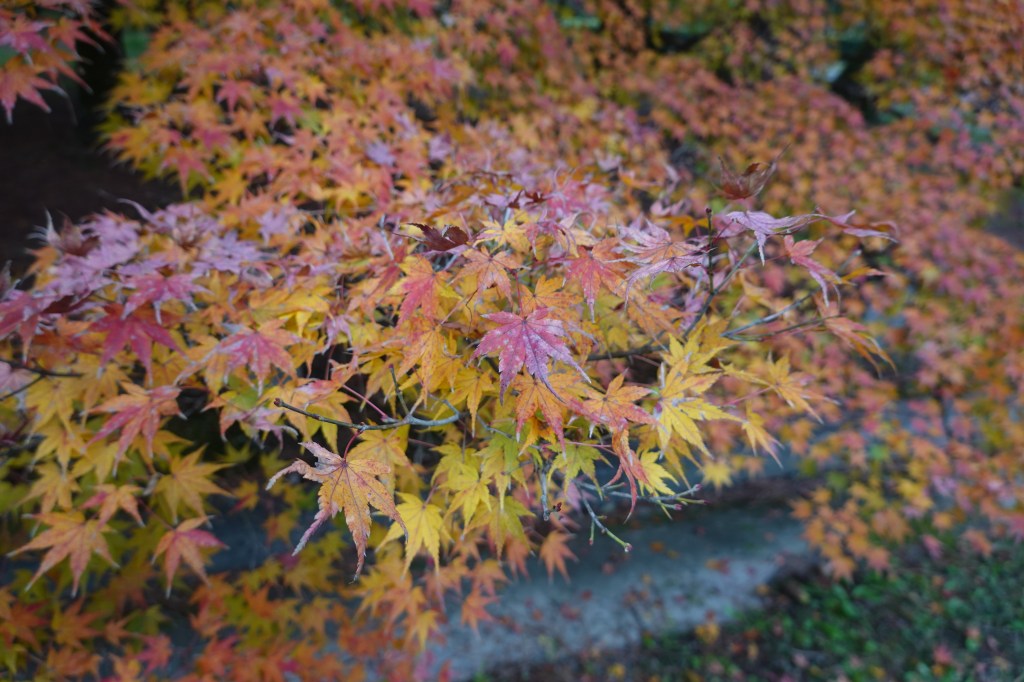
Eikando Temple – this temple is famous for its garden which is supposed to be particularly beautiful in autumn. We’ve been exposed to so much autumn foliage for free in Japan we didn’t feel it was worth the long line and entrance fee.
I’m really enjoying the serene nature of Japan, and Kyoto has surprised me as for such a huge city. The place just doesn’t have the level of hustle and bustle that similar sized cities have. I’m particularly enjoying the unspoken rule of silence on public transport and the politeness and kindness of the vast majority of people here. Having recently spent time in Thailand, Greece, Turkey and Croatia, it really is distinct in this quality.
Japan is also famous for its fancy toilets, which have certainly met and exceeded our expectations, but technology generally is embraced in the home in a way it isn’t in other countries we’ve visited or at home in the UK. Panels on the wall allow you to autofill the bath to a certain level and temperature (from the bathroom itself or on a matching panel in the kitchen if you can’t face the 20 steps to run your bath) and the bath sings to you when its ready to get in. You can also use your wetroom style bathroom as a sort of walk-in tumble dryer for your clothes.

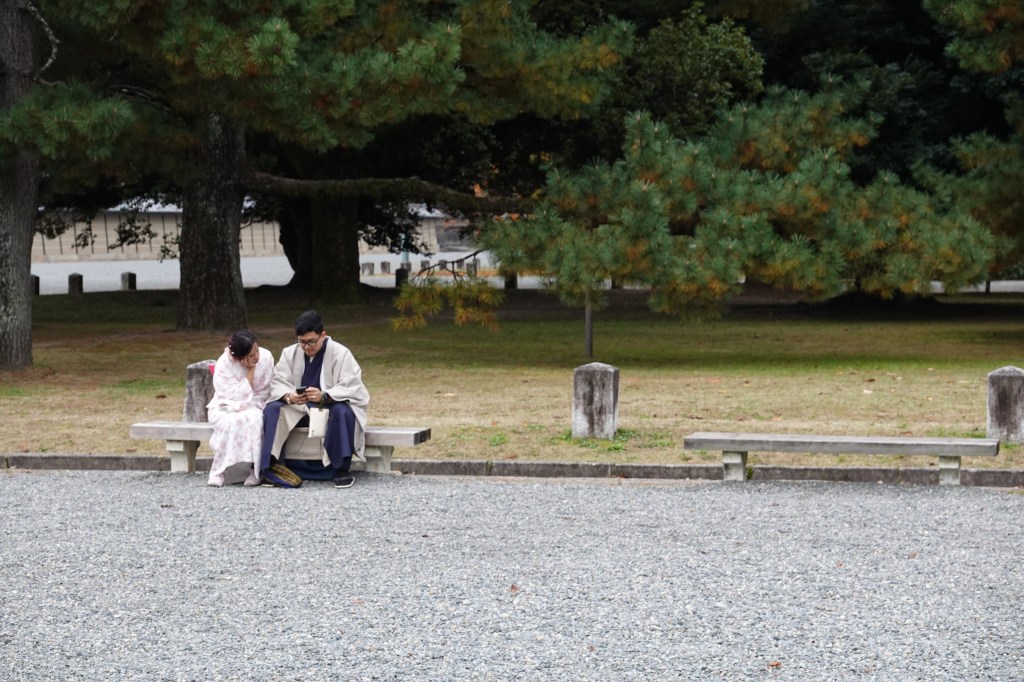
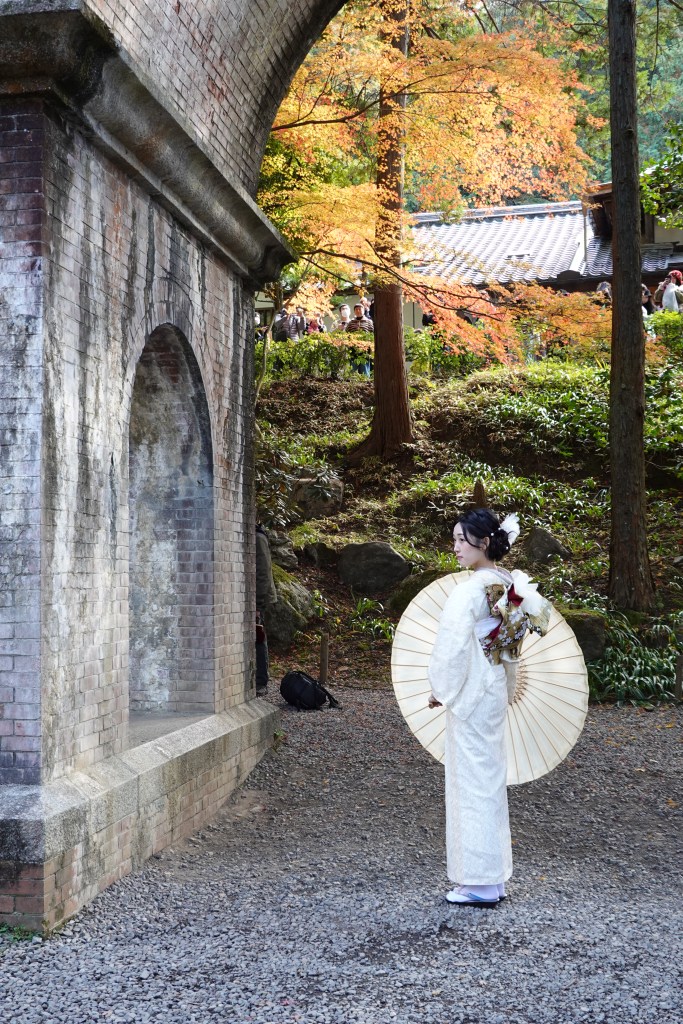
But for a country that has embraced modernity, there is also a striking commitment to history and tradition. Even in massive cities like Kyoto, huge effort goes into preserving historic districts, old teahouses, and neighbourhood shrines tucked between modern buildings. Travelling in autumn, we’ve seen people strolling through temple grounds in kimono for seasonal festivities, and many daily customs, from bowing to removing shoes, feel deeply rooted in the past. Everywhere we’ve been, the blend of modern life with centuries-old rituals is unmistakable.
This contrast of respect for the past and present enthusiasm for progress is something I really love about Japan, it feels thoughtful, logical, and functional, but with a flair for the beautiful, cute and magical.
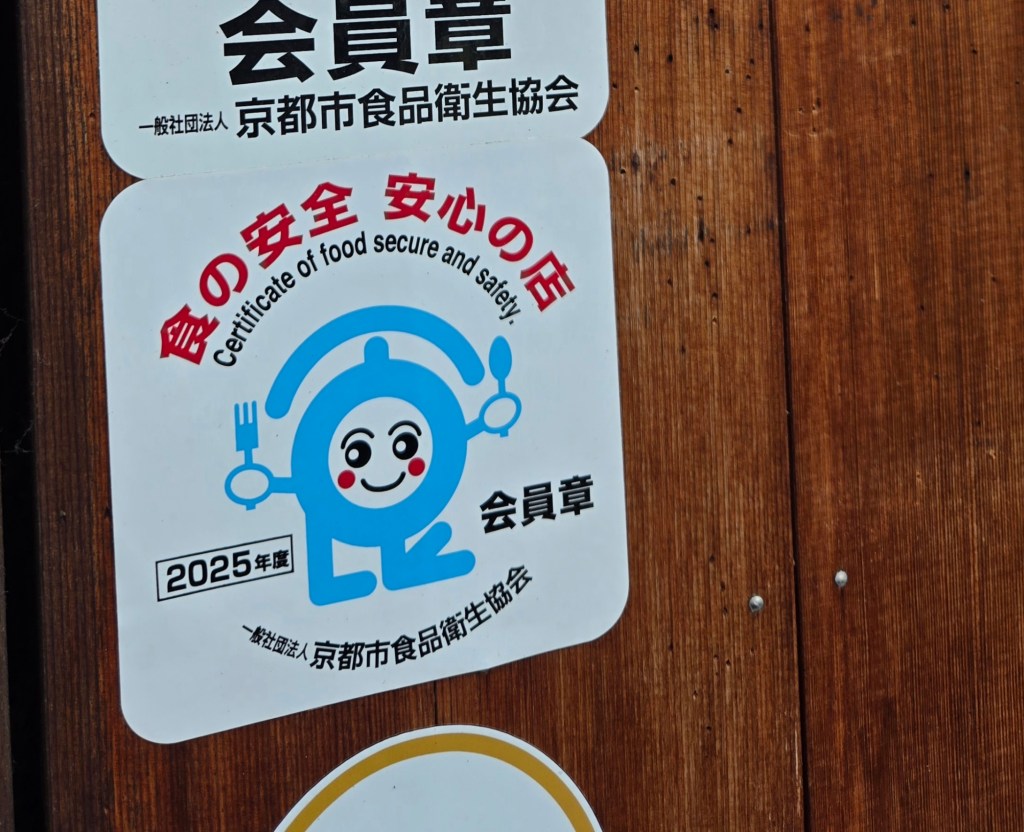
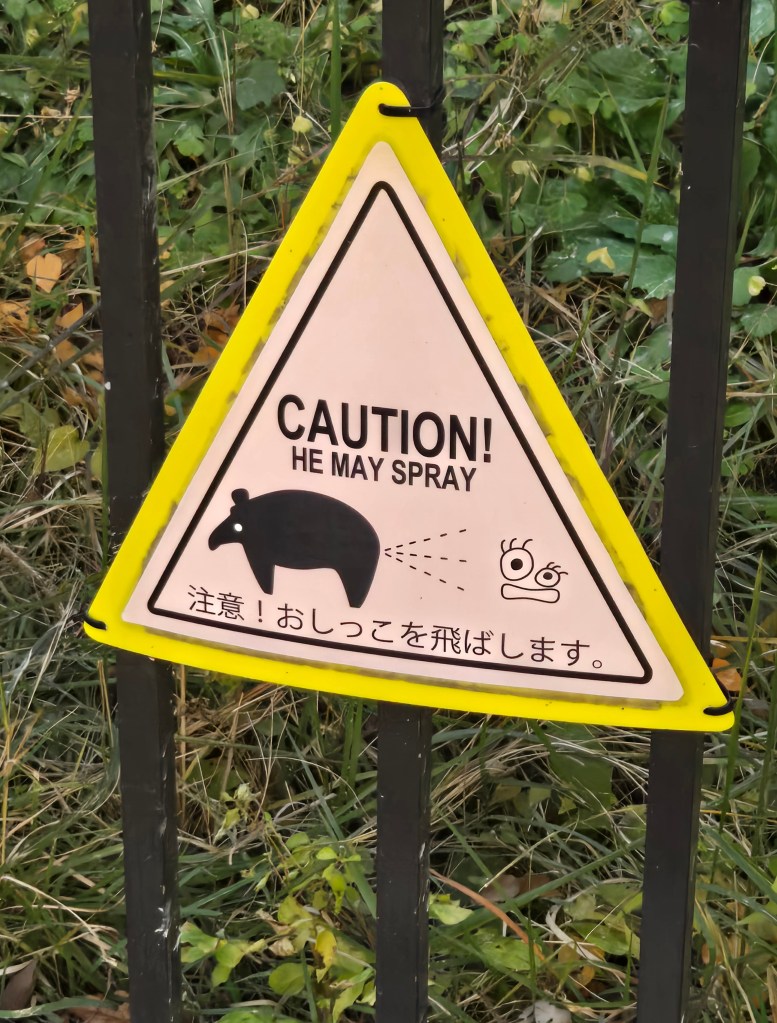
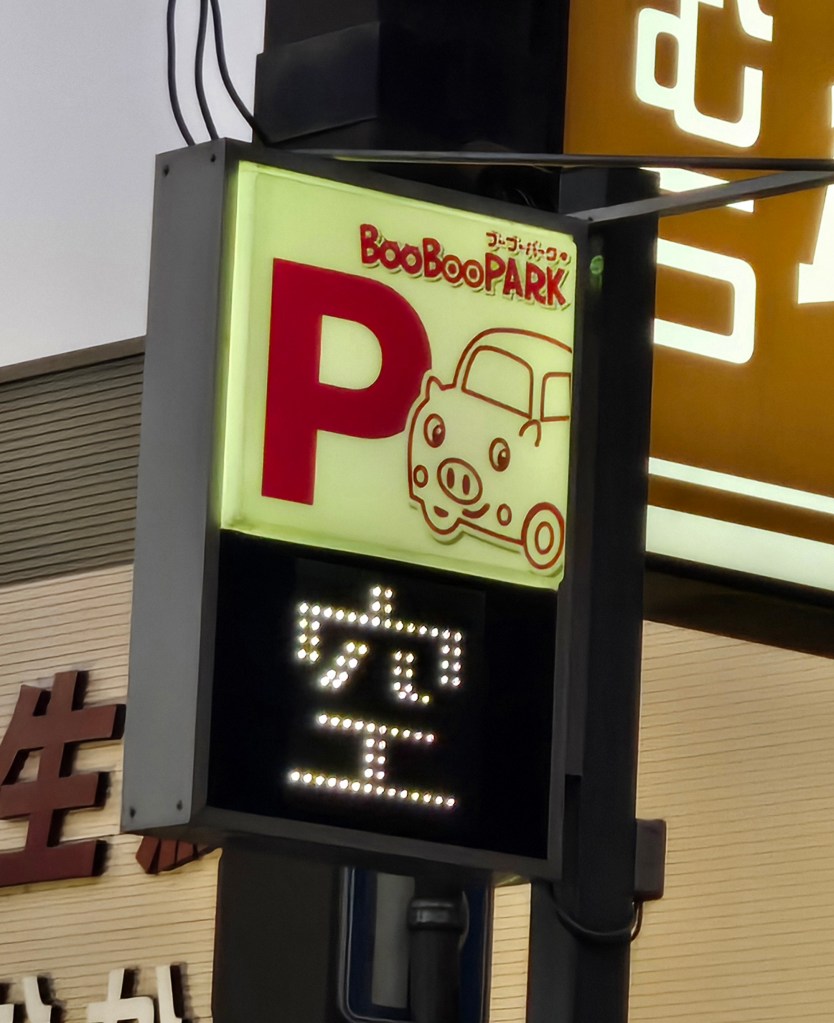
And when I say cute, I mean it. Every other sign appears to have its own cutesy, kawaii character. Here’s a selection of some of our favourites so far…
Iris
 Two for the Road
Leave a comment